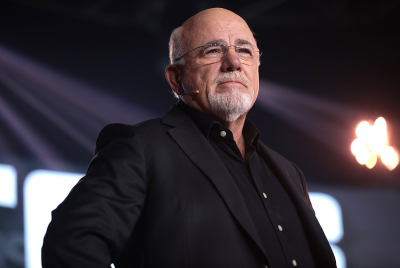
Dave Ramsey Says These Are the Only 3 Investments He Owns — Do You Have Them Too?
Dave Ramsey builds wealth with a straightforward approach, avoiding crypto and stock tips.


In a world crowded with stock tips, crypto hype and endless online investment advice, personal finance broadcaster Dave Ramsey offers a surprisingly simple approach. The American money expert, known for his tough stance on debt and disciplined wealth building, says his entire investment strategy fits into just three categories.
- No Bitcoin.
- No gold.
- No single stock bets.
Instead, Ramsey says his wealth comes from three assets: his business, mortgage-free real estate and mutual funds. His message is direct. Keep investing simple. Avoid speculation. Build wealth slowly over time.
A Strategy Built on Simplicity
Ramsey often warns that complicated investment strategies can lead ordinary investors into trouble. Speaking on his financial platform, he once summarised his approach in simple terms. He said, 'I have three investments. That is all I have' and those assets form the foundation of his financial life.
• His business
• Paid-for real estate
• Mutual funds
For Ramsey, simplicity is not a limitation. It is a strength. Many investors chase the latest trend. Crypto booms. Meme stocks. Precious metals. Ramsey rejects them all. He believes people lose money when they chase excitement rather than long-term growth.
Investment 1: Owning His Business
The first pillar of Ramsey's wealth is his company, Ramsey Solutions. Owning a business can be one of the most powerful ways to build wealth. But it also carries risk and requires long hours, leadership and financial discipline.
Ramsey built his company through books, radio broadcasting, financial coaching programmes and digital platforms. Entrepreneurship, he argues, allows individuals to control their income potential in ways traditional employment cannot. However, he often reminds audiences that business ownership is not easy money. It requires patience, skill and the ability to survive difficult periods.
Investment 2: Real Estate With No Mortgages
The second investment Ramsey holds is real estate. But he follows a strict rule. No debt. Ramsey insists that all his properties are fully paid for. This approach differs from many property investors who rely heavily on mortgages to expand their portfolios. His reasoning is simple. Debt introduces risk.
A downturn in the property market or a sudden loss of rental income can turn a leveraged investment into a financial burden. By owning properties outright, Ramsey removes that pressure.
Rental income becomes more stable. Cash flow improves. Financial stress falls sharply. According to the US Federal Reserve, real estate remains one of the largest sources of wealth for American households, accounting for roughly 30 per cent of total household assets. Ramsey believes debt-free ownership is the safest way to benefit from this asset class.
Investment 3: Mutual Funds Instead of Stock Picking
The final part of Ramsey's strategy involves mutual funds. He strongly discourages individual stock trading. His argument is simple. Most people are not professional investors. Trying to beat the market through stock tips or day trading often leads to losses.
Ramsey once joked about people chasing advice from friends on the golf course. He said he does not need a stock tip from 'your broke golfing buddy with an opinion'. Instead, he prefers diversified mutual funds that spread money across many companies. Diversification reduces risk and allows investors to benefit from long-term market growth. Historically, the US stock market has delivered average annual returns of roughly 7 to 10 per cent after inflation over long periods. Broad mutual funds allow investors to capture those gains steadily.

Why Ramsey Avoids Crypto, Gold and Stock Tips
Ramsey's critics often question his refusal to invest in assets such as Bitcoin or gold. Cryptocurrencies have produced dramatic gains during certain periods. Gold is often seen as protection against inflation. But Ramsey considers both highly speculative.
He prefers assets that produce income or long-term economic growth. Real estate generates rent. Businesses generate profit. Mutual funds track the performance of the broader economy. In his view, these assets rely on productivity rather than price speculation.
What This Means for Everyday Investors
Ramsey's philosophy may appear old-fashioned in the era of crypto trading apps and viral stock tips. Yet its core principle remains powerful.
- Avoid unnecessary debt.
- Diversify investments.
- Think long term.
His approach highlights a truth often ignored in financial media. Wealth building rarely comes from a single lucky investment. Instead, it comes from steady discipline over many years. For many households, that may mean consistent retirement contributions, careful property ownership and avoiding risky speculation. Ramsey's strategy is not flashy. But it has kept him financially secure for decades. In an investment world filled with noise, that simplicity may be the real advantage.
© Copyright IBTimes 2026. All rights reserved.
- Recommended For You