

CVS 'Put Profit Before Patients': Pharmacy Giant Pays $315M Over Deadly Opioid 'Trinity' Prescriptions
The case's timeline overlaps Helena Foulkes's CVS leadership as she campaigns for Rhode Island governor
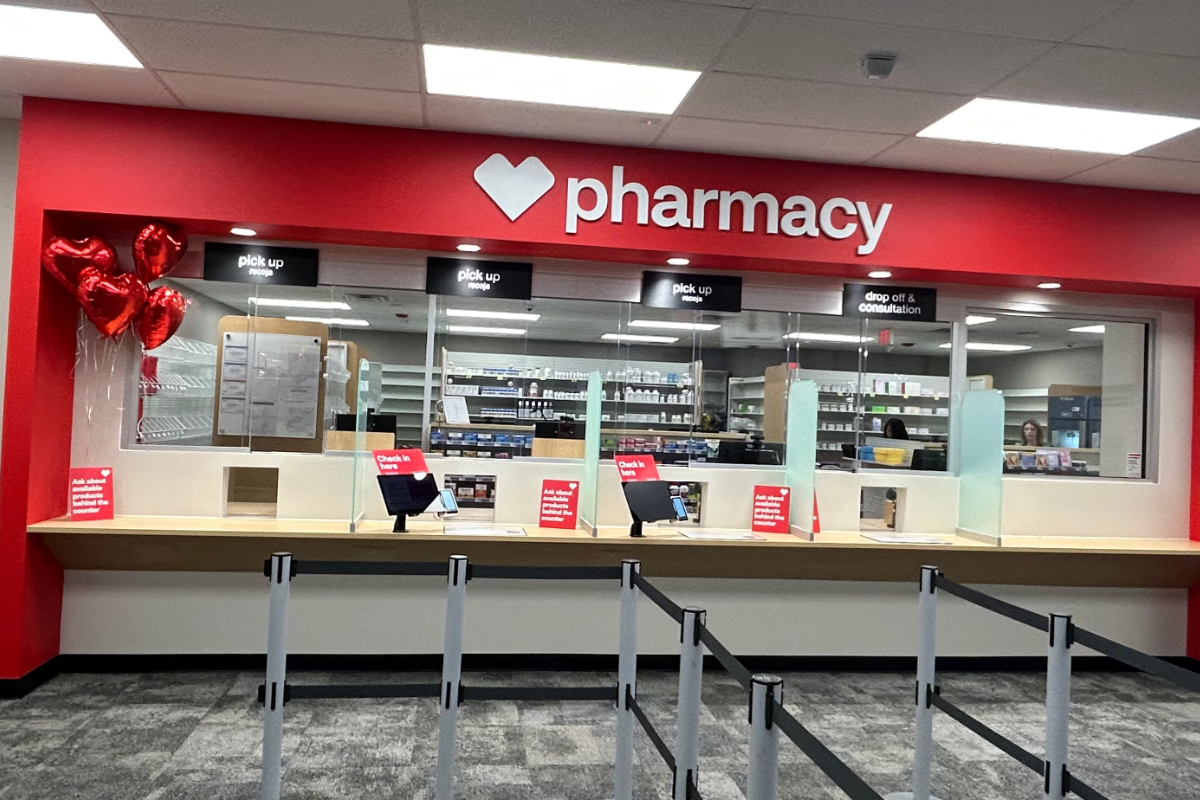
CVS has agreed to pay $315 million (about £236 million) to settle US government claims that it put corporate profits ahead of patient safety, flooding communities with dangerous opioid combinations that, in some cases, killed the patients who filled them.
The Justice Department announced the civil settlement on 13 October, resolving a nationwide case it first brought in December 2024.
Prosecutors said CVS, the country's largest pharmacy chain, knowingly filled unlawful prescriptions for years, then billed Medicare and other federal programmes for many of them. The company admitted no wrongdoing and said it strongly disagreed.
At the centre of the case are what the government calls 'trinity' prescriptions—a mix of an opioid, a benzodiazepine, and a muscle relaxant so prone to abuse that pharmacists treat it as a red flag. CVS filled them anyway, prosecutors alleged, along with excessive doses, early refills, and scripts from known 'pill mill' prescribers.
In some tragic cases, the government said, patients died of overdoses soon after collecting unlawful prescriptions at CVS counters.
The Case Lands on a Governor's Race
The timing cuts close to Rhode Island politics. The conduct runs from 17 October 2013, through 2 December 2025, a window overlapping the years Helena Foulkes served as president of CVS Pharmacy, from 2014 to 2018. Foulkes is now the Democratic nominee for governor of Rhode Island, CVS's home state, after unseating incumbent Dan McKee in the 9 September primary. Voters go to the polls on 3 November.
Thank you Rhode Island! https://t.co/oQHcr0du3C
— Foulkes Press Team (@HelenaBFoulkes) September 10, 2026
Foulkes was not named as a defendant, and her campaign pushed back hard. A spokesperson said she took on the opioid crisis at CVS, cutting opioid dispensing by nearly 40 percent, dropping more than 600 pill mill doctors, and running the largest drug takeback programme in the country. Her record at the chain had already become a campaign issue before the settlement landed.
Profits Over Patient Safety, Government Says
The heart of the case is a claim about incentives. Prosecutors alleged that CVS set performance targets, incentive pay, and staffing levels that pushed pharmacists to fill prescriptions fast rather than pause to check they were legitimate. Staffing was kept so low, the complaint said, that pharmacists could not both hit their metrics and meet their legal duties, and CVS allegedly stopped them warning one another about suspect prescribers.
'A pharmacy is the final step in the pharmaceutical distribution process that is in place to keep customers safe,' Drug Enforcement Administration Administrator Anne Milgram said when the lawsuit was filed. She added that CVS 'put profits over their obligation to keep their customers safe.'
Assistant Attorney General Brett Shumate, who leads the Justice Department's Civil Division, said the deal forces CVS to add safeguards so that opioids are dispensed only when medically justified. CVS said its pharmacists were highly trained and ran best-in-class programmes, and in 2024 argued its staff faced vague and shifting standards of practice.
One Whistleblower, Six Years, $315 Million
The case traces back to a single former employee. Hillary Estright filed a whistleblower complaint on 17 October 2019, under the False Claims Act, which lets private citizens sue on the government's behalf and keep a slice of any recovery. The covered period reaches back exactly six years from that date, matching the law's look-back. The government later intervened and took over. Estright's share is not yet set.
Alongside the payment, CVS signed a memorandum of agreement with the DEA. The chain must set up a hotline for staff and the public to flag suspected illegal dispensing, track dispensing patterns across its stores, and vet prescribers suspected of writing bogus scripts.
This is a separate reckoning from the roughly $5 billion (about £3.75 billion) CVS agreed to pay in 2022 over opioid claims from state, local, and tribal governments, a deal with different plaintiffs and legal ground. The new settlement is federal, built on the Controlled Substances Act and the False Claims Act, and follows a $50 million (about £38 million) agreement Walmart struck in August.
The claims remain allegations only, with no finding of liability.
© Copyright IBTimes 2026. All rights reserved.