

Officials Flagged a $580 Million Oil Bet Made Minutes Before Trump's Iran Reversal, Then Were Told to Back Off
A CFTC adviser withdrew the referral, leaving staff unsure what happens next
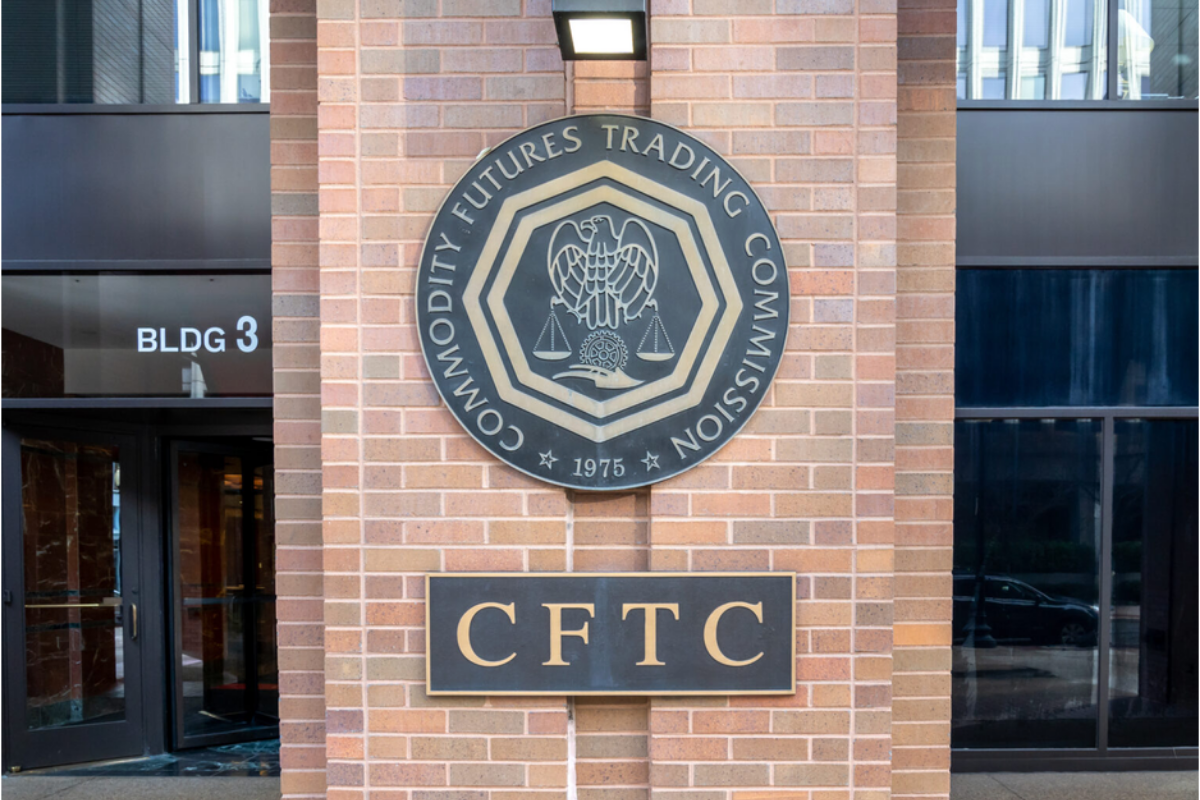
The analysts at the US Commodity Futures Trading Commission (CFTC) who spotted suspicious trading around President Donald Trump's about-turn on Iran, including a roughly $580 million (£438 million) wager against oil prices, were told to withdraw the insider-trading referral they had sent to the agency's enforcement arm, Bloomberg reported on Tuesday.
An adviser to CFTC Chairman Michael Selig stepped in to retract the referral and took over the examination of the trades, according to reports. Career staff were left unsure how, or whether, the matter would move forward.
MAJOR BREAKING: Bloomberg reports that Trump’s CFTC officials were told to retract an insider-trading referral after suspicious trades were placed just 15 minutes before Trump reversed course on attacking Iranian power plants.Traders had bet roughly $580 MILLION on falling oil prices before Trump’s announcement sent prices plunging.According to Bloomberg, a senior adviser to the CFTC chairman intervened after analysts flagged the trades for investigation.I wonder who was doing the trades. I’m gonna go with Don Jr. or Eric Trump since they are covering it up.
— Brian Krassenstein (@krassenstein) October 13, 2026
The Oil Bet Placed Before the Iran Post
The trading happened on 23 March, the day Trump backed away from threats to strike Iranian power plants. Billions of dollars' worth of contracts betting that oil would fall and the S&P 500 would rise were placed about 15 minutes before he posted the reversal on Truth Social.
The oil portion drew the sharpest scrutiny. The Financial Times calculated that about 6,200 Brent and West Texas Intermediate contracts, worth some $580 million, changed hands between 6:49 a.m. and 6:50 a.m. ET, roughly a quarter of an hour before the post.
In it, Trump said he was postponing all military strikes on Iranian power plants and energy infrastructure for five days, pointing to progress in talks with Tehran. The market reaction was immediate. Brent crude fell by as much as 14 per cent, US crude dropped by double digits, and American and European equities climbed about 4 per cent from session lows to highs.
Iran's parliament speaker, Mohammad-Bagher Ghalibaf, denied later that day that any negotiations had taken place.
How the CFTC Case Unfolded
The inquiry first surfaced on 15 April, when the CFTC was reported to have asked CME Group and Intercontinental Exchange for the data identifying the traders.
It could request the WTI records directly from CME but had to approach the UK's Financial Conduct Authority for the Brent contracts, which trade in London. Reports later that month said the Justice Department was examining the trades too. Neither agency has commented.
Publicly, the CFTC's leadership has promised the opposite of retreat. Selig told the House Agriculture Committee on 16 April that anyone engaging in fraud, manipulation, or insider trading would be found and would 'face the full force of the law.' His enforcement director, David Miller, had said on 31 March that the agency was watching speculation about insider trading in its markets.
The White House has dismissed the idea of profiteering from inside the administration. Spokesman Kush Desai said the focus of the president and his officials was on what is best for the American people, and called the implication 'baseless and irresponsible'. Staff were also sent an internal memo in March warning them against trading on confidential information.
Pressure on the CFTC Since April
Lawmakers had been pressing Selig for months. Senators Elizabeth Warren and Sheldon Whitehouse wrote to him on 9 April, asking the enforcement division to examine both the 23 March trading and a bet of about $950 million (£718 million) against oil placed hours before the 7 April ceasefire. Warren said on 15 April that the trades looked like 'an appalling example of insiders rigging the market.'
A second letter, led by Senator Raphael Warnock and signed by Amy Klobuchar, Cory Booker, Ben Ray Luján, and Elissa Slotkin, followed on 27 May. It sought a public update and flagged what the senators called a sharp drop in enforcement staffing, including turnover in the division's Chicago office. The group also pointed to more than $700 million (£529 million) in Brent and WTI contracts traded on 6 May, about an hour before a report that Washington and Tehran were nearing a deal.
The senators acknowledged the evidence did not rule out that the 23 March position was placed legitimately, but said its timing and size raised serious concerns. Selig, confirmed as the agency's 16th chairman in December, now faces questions over why his office stepped into a case his own staff had flagged.
© Copyright IBTimes 2026. All rights reserved.