

Harry and Meghan Urged To Get State-Funded Security by Ex-Royal Protection Officer After UK Return
Former royal bodyguard claims private firms cannot match specialist police units as the Sussexes face renewed scrutiny over British safety arrangements
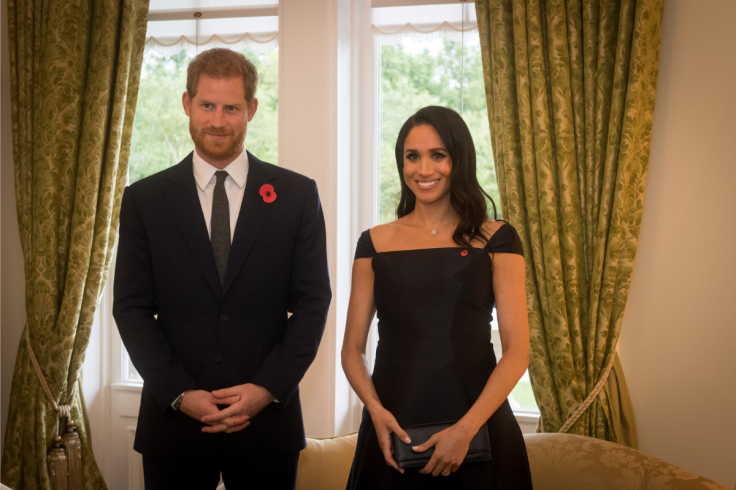
Prince Harry and Meghan Markle should have their security in Britain financed directly by the state, according to a former senior royal protection officer.
Ex-bodyguard Scott Hamer argued that specialist police units offer intelligence-gathering, firearms capability and inter-agency coordination that no private firm can replicate, and urged that the scale of the couple's global profile warranted state involvement.
The intervention reignites a contentious debate surrounding the safety arrangements of the Duke and Duchess of Sussex, who lost their automatic taxpayer-funded police protection after stepping down as senior working royals in 2020.
Hamer told Sky News that relying exclusively on private firms during UK visits is entirely inadequate for them. With the couple preparing for extended visits to Britain, the question of who protects them and who covers the costs has once again made headlines.
The renewed controversy underscores the unique status the Sussexes occupy, balancing high-profile public visibility with private-citizen standing while navigating complex legal battles with the Home Office.
Long-Running Legal and Political Dispute
The Sussexes lost their automatic taxpayer-funded police protection after stepping back as working royals and relocating to the United States.
Harry has consistently maintained that he and his family face genuine security threats when visiting Britain, and in 2022 he began a legal challenge against the Home Office over the decision to downgrade his protection.
He argued he should be permitted to pay privately for the same calibre of specialist police officers he received as a working royal. The High Court rejected his case, and the issue has resurfaced with each high-profile return to the UK since.
Protective security arrangements for the Royal Family are determined by the Executive Committee for the Protection of Royalty and Public Figures, which assesses risk on a case-by-case basis.
The Home Office has defended the process in court, insisting Harry is assessed under the same threat-based criteria as anyone else, rather than by rank or status.
Buckingham Palace has declined to comment publicly on the details, treating royal security as a matter of policy rather than public debate.
'Prince Harry should receive state protection'
— Sky News (@SkyNews) August 26, 2026
As Harry and Meghan return to the UK, former senior royal protection officer Scott Hamer has told Sky's @laurabundock that the state should fund their security.
🔗https://t.co/a09M6NRxle pic.twitter.com/iWNvfrdBAs
Fierce Online Disagreement Over Who Should Pay
Hamer's comments were his personal view rather than an official recommendation, but they echo concerns raised by some former security professionals that the current arrangement leaves gaps.
Supporters of the Sussexes argue it is illogical for the son of the King, and an Afghanistan veteran, to be treated as a private citizen for security purposes given the scale of media and online attention directed at the couple, particularly Meghan.
Others disagree. Critics point out that Harry and Meghan chose to step away from royal duties in favour of commercial ventures, and argue it is unreasonable to ask taxpayers to fund protection for a couple now based in California with media contracts.
The debate has again played out on social media, with some users calling state-funded protection straightforward common sense given the potential fallout of any incident on British soil, while others insisted the couple should arrange and pay for their own security 'like everyone else'.
The renewed dispute underlines the position the Sussexes now occupy: no longer working royals, yet still prominent figures whose visits generate significant security and media operations regardless of their formal status. Each UK trip appears to prompt a patchwork of arrangements drawn from private and public resources rather than a settled policy.
Whether government ministers will revisit the existing framework remains entirely uncertain. For now, questions surrounding protection logistics and funding appear destined to accompany every future British visit made by the Sussexes.
© Copyright IBTimes 2026. All rights reserved.