

Prince William Faces a Royal Handicap as Prince Harry Gains Freedom 'To Speak Out', Expert Says
The heir must uphold the monarchy's political neutrality, while Harry has greater freedom to speak out on social and political issues outside royal duties
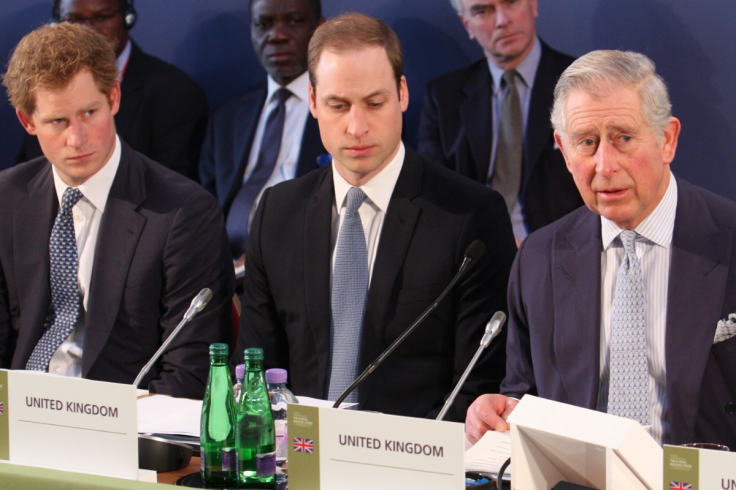
Prince William is expected to exercise greater political restraint than Prince Harry because he is heir to the throne, according to royal expert Richard Palmer. Writing for The i Paper, Palmer argued that Harry, who stepped back from official royal duties in 2020, has more freedom 'to speak out' on political and social issues, although his royal connections still shape how his interventions are received.
The distinction is not a constitutional ban on William expressing views. As heir, he is expected to avoid partisan interventions that could compromise the monarchy's perceived neutrality. He can support charitable causes and discuss social issues, but his public role requires more care than that of a private citizen.
For context, Harry and Meghan, the Duke and Duchess of Sussex, announced in January 2020 that they intended to step back as senior working royals and pursue greater financial independence. The arrangements were later formalised, ending their official royal duties while allowing them to develop independent commercial and charitable projects.
The decision divided opinion. Some criticised it as a rejection of Britain and royal service, particularly after the couple later spoke publicly about their experiences within the royal family. Others regarded it as a reasonable attempt to build a life outside the constraints of full-time royal work.
The Diana Comparison
Palmer suggested Harry might look to his late mother, Diana, Princess of Wales, for a possible model of public life after royal convention. Diana remained a prominent figure after her 1996 divorce from Charles, then Prince of Wales, and continued to use her profile to support charitable and social causes.
Her circumstances were different, however. Contemporary reports estimated that Diana's divorce settlement was worth up to £17 million, alongside an annual allowance of approximately £400,000 to maintain her private office. She also retained her Kensington Palace residence.
Those arrangements gave Diana a financial and practical foundation that Harry has not had since leaving official royal duties. Harry has pursued commercial projects and charitable work instead, making any comparison with his mother an imperfect one.
Why William's Role Is Restrictive
William's position is shaped by convention as much as by personal choice. A future monarch is expected to remain above party politics, which narrows the space for campaigning, criticism of government policy or interventions on divisive social questions. What may appear as independence from Harry could be viewed as politically risky for the Prince of Wales.
That does not mean William lacks influence. His role is exercised through royal structures, patronages and carefully framed initiatives. Harry can be more direct, and Palmer suggested he can challenge governments in Britain and overseas without the same immediate institutional consequences.
Whether that freedom works in Harry's favour is uncertain. Public interventions can help him establish a distinct identity, but they may also prompt criticism from those who believe his royal background continues to influence his public profile.
Harry and Meghan continue to attract both support and criticism. Palmer's assessment, as reported by The i Paper, suggests Harry's future public standing could depend partly on the causes he chooses to champion and how he develops his role outside the monarchy. That remains an interpretation, not a guaranteed outcome.
Their relationship has been the subject of sustained public scrutiny following disagreements aired publicly in recent years. Every interview, appearance and business announcement is examined for signs of where the brothers stand, which makes a low-key reset difficult.
Still, the central contrast is hard to ignore. Harry has a degree of liberty William cannot claim to the same extent while preparing for the crown. He can align himself with causes, criticise institutions and speak in a more personal register. William must consider continuity, precedent and the stability of the monarchy itself.
The situation presents an apparent irony. Stepping away from royal life was intended to give Harry independence, yet it also removed the protection, resources and defined role associated with official royal work. William remains within a system that limits him, but it also provides an institutional purpose beyond headlines or commercial success.
Palmer's analysis does not resolve the brothers' differences. It does suggest that the next phase may depend less on proximity to the throne than on whether each man can define a credible public role on his own terms.
For William, the challenge is restraint. For Harry, it is proving that freedom outside the institution can translate into lasting public relevance.
© Copyright IBTimes 2026. All rights reserved.