

Epstein's Shocking Claim About 'Special Access' to Disney Raises Major Questions
DOJ files reveal Epstein's claim of 'special access' to Disney, sparking questions about his influence.
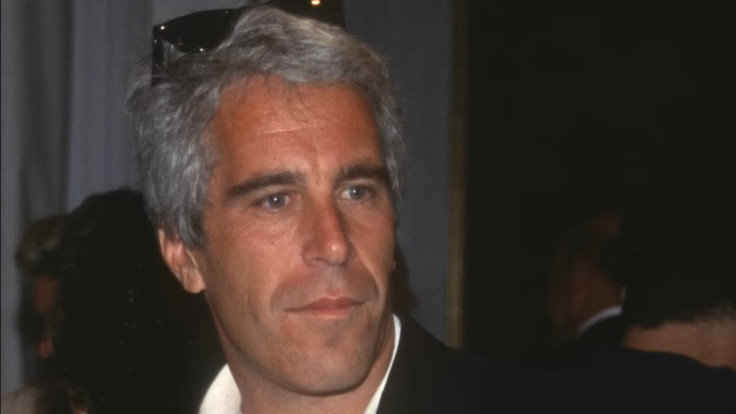
A newly surfaced email contained in recently released US Department of Justice files shows Jeffrey Epstein claiming he had 'special access' to Disney; a brief remark now drawing renewed scrutiny over his social reach and the extent of privileges he asserted among powerful institutions.
The message appears within millions of pages disclosed under the Epstein Files Transparency Act, legislation that forced the publication of investigative material long shielded from public view. While the exchange itself is short, investigators and researchers say it illustrates how Epstein frequently portrayed himself as possessing unusual influence.
The claim offers no proof of preferential treatment, yet its presence inside official evidence raises fresh questions about how Epstein leveraged reputation, proximity, and perceived authority.
Newly Released Email Emerges From DOJ Data Set 9
The correspondence appears in Data Set 9, a tranche largely composed of emails and internal communications gathered during federal investigations. The document, accessible through the Department of Justice archive, can be reviewed directly via the official filing:
In an exchange dated December 2013, Jeffrey Epstein communicated with physicist Lawrence Krauss about arrangements involving a Disney visit. During the discussion about tickets and access, Epstein wrote: 'i have specila access dpn't wory', preserving the spelling errors visible in the original record.
I just puked…
— MJTruthUltra (@MJTruthUltra) February 19, 2026
Jeffrey Epstein says he had “Special Access” to Disney
Disney needs to immediately tell every American what kind of access he had. https://t.co/kFPo7YcSlg https://t.co/KzqGZZXPkU pic.twitter.com/EMMyG2wngY
The email does not explain what Epstein meant by 'special access', nor does it confirm that any privileges existed. The surrounding messages reference seating and ticket logistics rather than corporate coordination or formal arrangements. No Disney employee appears in the thread, and no verification accompanies the claim.
Data Set 9 forms part of a massive disclosure ordered after Congress passed the Epstein Files Transparency Act, which required the Department of Justice to release unclassified records tied to Epstein and related investigations. The DOJ ultimately published more than 3.5 million pages across 12 organised data sets, making the release one of the largest document productions in the department's history.
Context Behind The Disney Reference
The reference to Disney has generated attention largely because Epstein frequently cultivated an image of elite access. Investigative files and witness accounts throughout earlier proceedings described him as presenting himself as well-connected across academia, politics, finance, and entertainment circles.
The company referenced in the email, The Walt Disney Company, has not been shown in released documents to have granted Epstein any formal privileges. The available evidence indicates only that Epstein made the assertion himself during a private conversation.
Experts reviewing the files note that such statements were consistent with Epstein's documented behaviour. Emails, flight records, and correspondence throughout the archive show him arranging meetings or events by invoking high-status associations, sometimes without clear corroboration. The Disney remark, therefore, fits a broader pattern in which Epstein appeared to emphasise exclusivity and influence when coordinating travel or social engagements.

Importantly, nothing within the DOJ file demonstrates wrongdoing by Disney or suggests institutional involvement. The absence of follow-up documentation or confirmation leaves the claim unresolved, highlighting the challenge investigators face when interpreting informal communications preserved as evidence.
What The Files Reveal — And What They Do Not
The disclosure of millions of pages has provided unprecedented insight into Epstein's communications, yet it has also exposed limitations. Many records remain partially redacted to protect victims' identities, while others consist of fragments lacking investigative conclusions.
The Department of Justice has acknowledged that roughly half of its total Epstein-related archive, estimated at more than six million documents, has not yet been publicly released. Critics from both political parties have argued that remaining redactions complicate efforts to understand the context surrounding names, claims, and associations appearing in the files.
The resurfacing of the email arrives amid intensified examination of Epstein's personal network following the 2026 document release. Lawmakers, legal analysts, and independent researchers continue combing through the archive to identify patterns in how Epstein cultivated relationships and influence.
The files collectively show a figure deeply invested in access to academic institutions, high-profile individuals, and exclusive environments. Even brief remarks, such as the Disney message, help illuminate how Epstein projected authority in private communications.
That projection, investigators believe, helped sustain his social standing long after earlier criminal allegations became public.
© Copyright IBTimes 2026. All rights reserved.