

Epstein Reportedly Hid Computers and Photos in Secret US Storage Units Before Arrest in 2019
Investigation reveals Epstein's use of storage units to conceal evidence
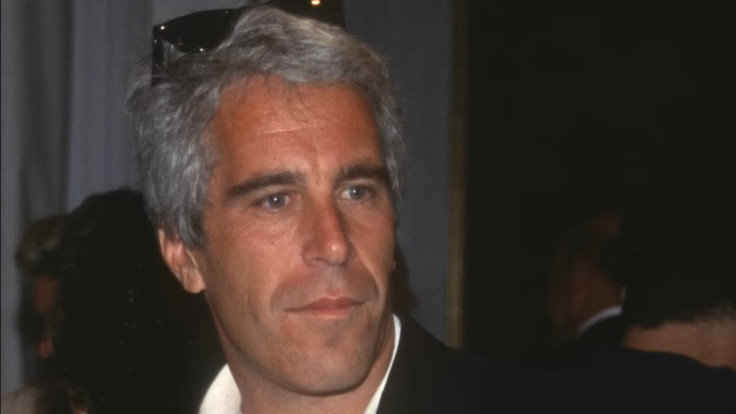
Newly revealed financial records and emails show that Jeffrey Epstein secretly rented at least six storage units across the United States, and used paid private investigators to move material between them whenever law enforcement closed in.
The investigation, published by The Telegraph on 22 February 2026, was based on financial records and email correspondence reviewed by the outlet. The findings arrive weeks after the Department of Justice released its second and likely final major tranche of Epstein-related files on 30 January 2026.
The storage unit revelations suggest that a significant volume of material tied to Epstein's activities may sit entirely outside what investigators have so far been able to access, or even locate.
Six Storage Units And A Network Of Private Detectives
According to The Telegraph's findings, Epstein leased his first storage unit in 2003 and continued making payments on units across the country until his death on 10 August 2019. The majority were based in Florida, where Epstein maintained his principal residence in Palm Beach. At least one unit was located five minutes from his Manhattan townhouse on East 71st Street, which FBI agents searched extensively following his arrest in July 2019, seizing 33 electronic devices from the property alone.
A separate unit was rented in Manhattan on his behalf by private investigators he retained. Those investigators, The Telegraph reported, were paid tens of thousands of pounds to arrange and maintain the storage arrangements. A photograph taken by a staff member, included in the materials reviewed by The Telegraph, shows one of the units packed floor to ceiling with fans, projectors, cardboard boxes, and an old armchair, suggesting a deliberate clearing-out of properties rather than routine document storage.
The units reportedly housed computers, CDs, and other electronic equipment relocated from Epstein's properties, including items removed from his private Caribbean island, Little Saint James, in the US Virgin Islands. FBI agents who raided the island following Epstein's 2019 arrest seized 27 electronic devices from the site.
Separately, emails reviewed by The Telegraph show Epstein directing staff to move computers and CDs from Little Saint James into the hidden units, with discussions also referencing the possibility of wiping some of the material in transit.
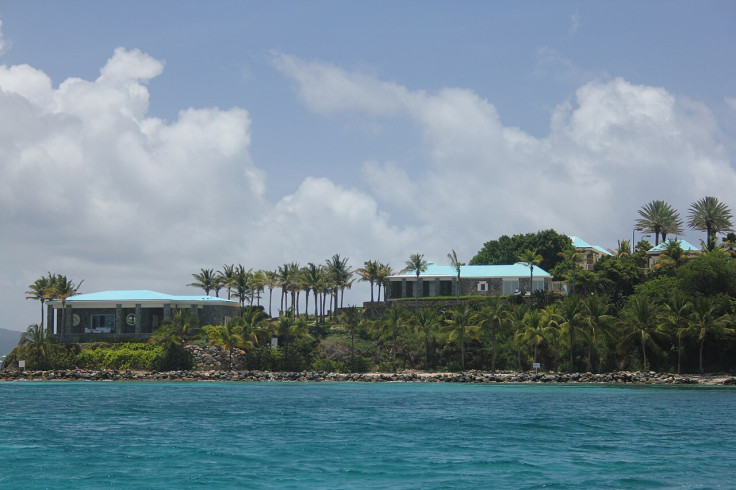
One email exchange, dating from August 2009, one month after Epstein's release from Palm Beach County Jail, where he had served 13 months of an 18-month sentence after pleading guilty to soliciting a minor for prostitution, showed a private investigator informing Epstein that accuser Virginia Giuffre had reportedly requested missing.
Another email, written while Epstein was serving that jail sentence in May 2009, showed him requesting an image of an unidentified person. His respondent, named in the records as Riley, replied: 'I thought I had a copy of it on my computer, but it is in storage with everything else. I will get it out next time I go to the storage unit.'
A Pattern That Precedes the 2019 Arrest by 14 Years
The revelations fit a pattern of evidence concealment that law enforcement officials close to the case had long suspected but could not confirm. The key figure who raised the alarm earliest, and most publicly, was former Palm Beach Police Chief Michael Reiter.
Reiter initiated the first formal inquiry into Epstein in 2004, after a woman reported that her 14-year-old stepdaughter had been taken to Epstein's Palm Beach home and paid to strip and give him a massage. The ensuing investigation expanded rapidly, identifying at least 35 girls with a similar history between 2002 and 2005.
When detectives armed with a search warrant entered the property with a video camera, what they found immediately raised concerns. Reiter told NBC's Dateline that the surveillance camera system had been ripped out, leaving only wires hanging from the walls. The computer containing all footage from the home's cameras was gone. 'The place had been cleaned up,' Reiter said. 'This never happened to me before in my career.'
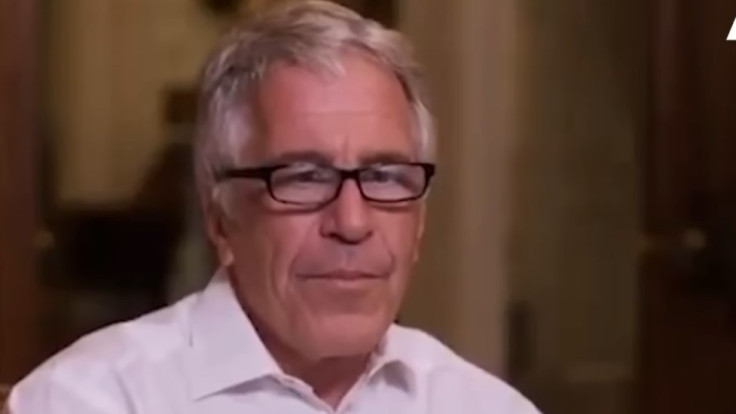
Reiter also told NBC News he believed the content of his probable cause affidavit had somehow reached Epstein's defence team before it was supposed to. Minute details known only to police, he said, were being refuted by defence lawyers with contrary information that could only have come from within the document itself. He described the cumulative outcome as 'the worst failure of the criminal justice system' in modern times.
Those suspicions now carry new weight. According to The Telegraph, documents reviewed as part of its investigation show Epstein ordered his private detectives to move computers to another storage unit specifically after being alerted to a police raid at his Florida home in the mid-2000s — the same period when Reiter's investigators were executing their search warrants. Reiter himself told The Telegraph that 'the place had been cleaned up', an assessment consistent with the newly documented instruction to relocate material before law enforcement arrived.
What the DOJ's Files Reveal — and What May Still Be Missing
The DOJ's own seizure records underscore how much material it recovered from Epstein's known properties — and, by implication, how much may remain unaccounted for. Following the 6 July 2019 arrest, agents seized two devices directly from Epstein himself, 33 devices from the Manhattan townhouse, and 27 devices from Little Saint James.
FBI lead detective notes from the period, included in the broader DOJ file release and reviewed by multiple outlets, indicate that Epstein's former assistant Juan Alessi Rodriguez was found to have a handwritten book of contacts, which Rodriguez described as containing the names and phone numbers of girls who gave Epstein massages, and had concealed it rather than turning it over to investigators or in response to civil subpoenas. Rodriguez told an undercover FBI agent that Epstein had made copies of the book 'disappear'. He was subsequently charged with obstruction of justice.
The pattern is consistent: material was systematically moved, wiped, or concealed across the full span of Epstein's time under law enforcement scrutiny, from the mid-2000s through to his death in 2019. According to The Telegraph, some of the content now stored in unsearched units may predate the earliest material in the DOJ's public Epstein library.
Whether those units still exist, whether their contents have been destroyed, relocated, or retained by the Epstein estate, and whether any authority will now seek to access them remain unanswered.
© Copyright IBTimes 2026. All rights reserved.