Morningstar's Christine Benz Reveals 5 Books Every Retiree Should Read Before Leaving Work
Planning before retirement can secure your finances, covering withdrawals, Social Security, annuities, and evolving priorities

Retirement does not end the financial decisions people have spent decades preparing for. Once the paycheque stops, retirees still have to decide how much to spend, how to manage taxes, protect against investment risks, and build a life beyond work.
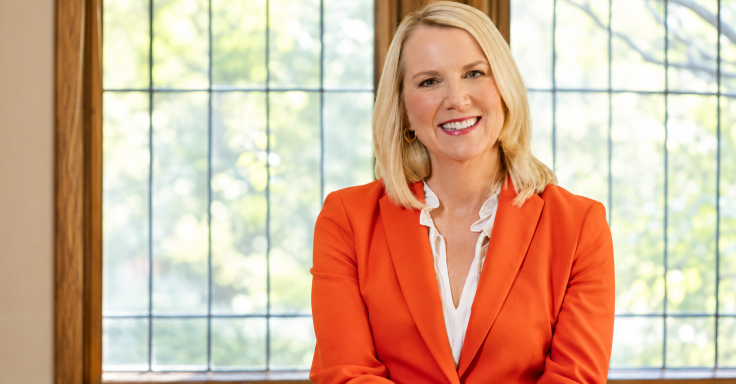
Christine Benz, Morningstar's director of personal finance and retirement planning, has highlighted books that tackle those questions from different angles. Among the titles in her latest recommendations, five focus particularly closely on the challenges people can face before and during retirement.
In a 21 September 2026 article, Benz highlighted books by guests from The Long View podcast, including authors on retirement income, taxes, investment risk, and transitioning from full-time work.
1. Living Off Your Acorns
Dana Anspach's Living Off Your Acorns: Your Guide to the Four Phases of Retirement focuses on preparing for the transition into retirement, including the years before employment ends.
Anspach describes the roughly decade before retirement as the pre-go phase. Her approach considers both the financial and behavioural changes involved in leaving work, including how people might adjust to a different routine and sense of purpose.
The book also examines investment risk during the years surrounding retirement, including strategies for creating income while protecting against unfavourable market conditions. Benz previously discussed these ideas with Anspach on The Long View.
2. The Forever Paycheck
Jean Chatzky's The Forever Paycheck: The New Retirement Strategy to Spend More, Worry Less, and Never Run Out of Money addresses a problem that can emerge after years of saving: how to turn accumulated wealth into reliable retirement income.
Chatzky discusses Social Security, annuities, and portfolio withdrawals, while also examining why retirees can struggle to spend money after spending much of their working lives saving it. Her September interview with Benz also covered sequence-of-returns risk and creating a dependable retirement paycheque.
3. Tax Planning to and Through Early Retirement
Cody Garrett and Sean Mullaney's Tax Planning To and Through Early Retirement focuses on the tax decisions that can arise before and after leaving work. Rather than treating retirement taxes as an issue to address only once employment ends, the book examines how decisions made during the working years can affect a retirement plan. That includes planning around income, withdrawals, and tax-efficient strategies as people move from earning a salary to drawing on accumulated assets.
4. Your Retirement Sketchbook
Jamie Hopkins and Bonnie Treichel take a broader approach in Your Retirement Sketchbook, combining financial planning with questions about how people want their lives to look after leaving full-time employment.
The book covers retirement-income planning, annuities, and sequence-of-returns risk while also examining behavioural changes and the shift in mindset that can accompany retirement. Hopkins and Treichel discussed those issues with Benz on The Long View, where they also recommended other resources for people interested in retirement planning.
5. Retirement Planning Guidebook
Wade Pfau's Retirement Planning Guidebook: Navigating the Important Decisions for Retirement Success takes a more technical approach to the subject. Pfau examines retirement-income strategies, withdrawal rates, longevity, and investment risks. Benz has previously featured Pfau on The Long View, where they discussed how retirees can approach income decisions and identify a retirement-income style suited to their circumstances.
Retirement Planning Goes Beyond Saving
The five books cover different problems that can arise before and after retirement, from creating dependable income to managing taxes and investment risk. Together, they also point to a broader reality: preparing for retirement involves more than reaching a savings target. The decisions that follow can determine how accumulated assets are converted into income and how people adapt financially and personally once work is no longer the centre of daily life.
© Copyright IBTimes 2026. All rights reserved.
- Recommended For You