Couple Who Saved Nearly $470K Over 50 Years Burned Through Their Travel Budget on One Holiday
Rising living costs leave retirees struggling despite substantial savings

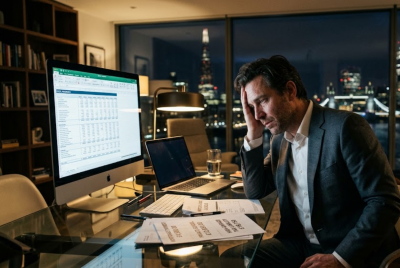
A Sheffield couple who spent decades saving £350,000 (around $469,000) for retirement say their pension income does not cover their monthly bills, leaving them to draw on their savings sooner than they had planned.
Sharon and Sean Taylor take home a combined £1,400 (about $1,880) a month from their private pensions, plus £350 (about $470) from renting a property to a relative. That barely covers £1,700 (about $2,280) in utilities and car finance, leaving almost nothing for food and everyday costs.
The gap has forced them to rethink the retirement they had pictured. A single two-week holiday in Italy cost £10,000 (about $13,400) and cleared a travel fund they had hoped would last two years.
'One holiday and the budget is gone,' Sharon, 64, told a news agency.
The £350,000 Pot That Still Falls Short
At retirement, the couple's net worth stood at £750,000 (about $1m), made up of two properties and the £350,000 in investments. They had expected that money to last until their state pension at 67.
Sharon had paid into a workplace pension since the age of 18, setting aside about 5 per cent of her salary, and a decade ago she began adding every pay rise to the pot. When Sean's parents died four years ago, the couple put the inheritance into a stocks and shares ISA and some bank shares, topping it up by £150 (about $200) a month when they could. At retirement, she consolidated all but two of her pensions into a self-invested personal pension.
She left work in March 2025 at 63, after a career in customer services. Sean, 61, had stopped five years earlier at 55 because of his health.
'We thought this would be ample to retire on,' she said.
Sharon draws £450 (about $600) a month from the two pensions she can currently access, and Sean receives £950 (about $1,270) from his workplace scheme.
To pay for food and everyday spending, the couple had planned to withdraw £1,000 (about $1,340) a month from an easy-access account. Rising prices have pushed that to £1,500 (about $2,010), draining their savings faster than they had intended.
One-off costs added to the strain. A new central heating system came to £3,000 (about $4,020) and a replacement front door to £2,000 (about $2,680), emptying the funds set aside for repairs and travel within months of Sharon leaving work.
What a Comfortable Retirement Costs
The Taylors' experience reflects wider figures on the cost of later life. Pensions UK, formerly the Pensions and Lifetime Savings Association, estimates that a couple needs £62,700 (about $84,000) a year after tax for a comfortable retirement, up from £60,600 (about $81,200) a year earlier.
A full new state pension is worth about £12,550 (about $16,800) a year, or a little over £25,000 (about $33,600) for a couple who both qualify. That leaves a shortfall of roughly £37,700 (about $50,500) a year to be met from private savings.
The organisation's research suggests most of the working population is on course only for a minimum standard of living in retirement, with about a quarter on track for a moderate one.
'I never expected to have to be frugal in my retirement,' Sharon said. 'Our joint monthly pension doesn't actually cover our bills.'
'The cost of everything has gone up; no amount of planning could predict how much the cost of living has gone up,' she said. 'I don't want to have to scrimp and save; we've worked our whole lives to enjoy ourselves.'
She looked into returning to work and was approached last year by an online travel agent, but the monthly fees came to more than she earned, so she stopped. These days, the couple go out for coffee and cake, or breakfast, rather than dinner.
Her advice to anyone still saving is to put aside more than they think they will need. 'Even if it's just £5 or £10 a month,' she said. 'Don't make the same mistakes we made, thinking you'll have enough.'
© Copyright IBTimes 2026. All rights reserved.
- Recommended For You