

Martin Lewis Money Trick Helps Woman Clear £30K Debt on an £18K Salary in Seven Years
Credit card balance transfers offer a break from interest, but fees, deadlines, and eligibility checks matter

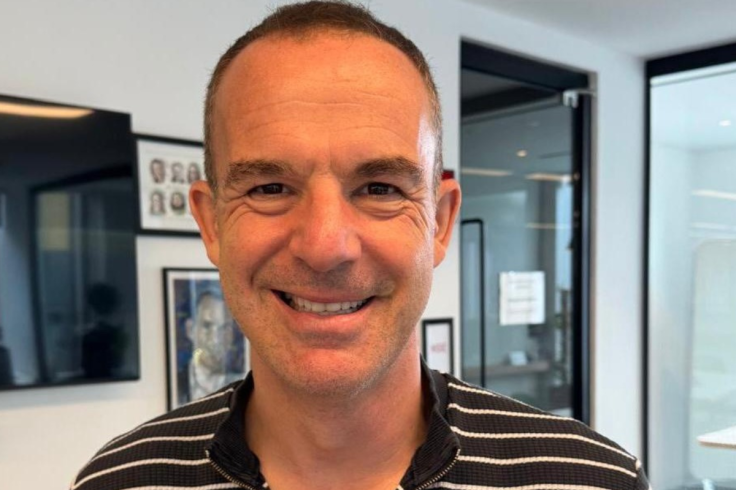
A woman earning £18,000 a year has revealed how Martin Lewis' 0% balance transfer advice helped her clear nearly £30,000 in credit card debt over seven years. Liz moved her balances to interest-free cards and set reminders before promotional deadlines. She said she could not see a way out when her borrowing approached £30,000. Switching cards when introductory offers expired eventually helped her repay everything.
How Martin Lewis' Advice Helped Liz Clear £30,000
Liz shared her experience in a September 2026 newsletter of Martin Lewis's Money Saving Expert. She said, 'I was up to my eyes in debt. It was all credit cards and at worst I owed nearly £30,000.' She said her £18,000 salary left her unable to see a way out. Liz began transferring outstanding balances to cards offering 0% introductory interest periods. She set reminders to switch whenever an offer expired, eventually clearing the debt.
How Do 0% Balance Transfer Credit Cards Work?
A balance transfer credit card allows borrowers to move debt from an existing credit or store card to another provider. Some cards offer introductory periods with no interest on transferred balances, giving borrowers time to reduce debt without additional interest accumulating.
However, these deals often carry a transfer fee. For example, transferring £3,000 with a 3% fee would cost £90. Borrowers should check whether they can repay before the standard interest rate applies.
A 0% deal also does not erase the debt or guarantee another transfer will be available when the offer ends. Borrowers should stop adding to the card balance and make at least the required minimum payment each month. Transfers between cards issued by the same bank are generally not permitted.
Which Balance Transfer Deals Were Available?
Offers highlighted on 23 September 2026 included:
- Capital One: A guaranteed 22-month interest-free period, with a 2.9% fee. Transferring £3,000 would cost £87.
- Vanquis: Up to 19 months interest-free, with a 3.9% fee. Some applicants could receive six, eight, or 10 months, with a 4.5% fee.
- Fluid: Up to 15 months interest-free, with a 3% fee. A £3,000 transfer would cost £90.
Offers may change, so borrowers should check current fees and eligibility before applying.
What Should Borrowers Consider Before Applying?
Approval and promotional terms are not guaranteed, as credit card providers assess applicants' income, existing debts, credit history, and repayment behaviour before offering a balance transfer deal.
Borrowers generally have 60 or 90 days to complete the transfer after opening an account. Those with defaults or County Court Judgments (CCJs) may still qualify, but their options could be limited, with shorter interest-free periods or higher transfer fees.
Missed payments can damage credit records and may result in promotional terms being withdrawn. Borrowers should check eligibility requirements, transfer fees, repayment deadlines, and the standard interest rate before applying.
They should also calculate whether the potential interest savings outweigh the transfer fee and ensure they can repay the outstanding balance before the promotional period ends. Avoiding multiple applications within a short period is advisable, as repeated credit checks could affect credit scores and make future borrowing more difficult.
What Other Methods Can Help Clear Credit Card Debt?
The debt snowball method involves paying off the smallest balance first while making minimum payments on other debts, then redirecting that money towards the next smallest balance.
Liz's experience shows how balance transfers can help manage debt, provided borrowers find suitable offers and track deadlines, fees, and repayments.
Creating a realistic monthly budget, limiting new borrowing, and making regular payments can also help prevent balances from building up again and support long-term financial stability.
© Copyright IBTimes 2026. All rights reserved.