

Mark Cuban Slams CVS Breakup, Says It Changes Nothing for Patients: 'Don't Fall for It'
Cuban says CVS's restructuring benefits shareholders, not patients or healthcare consumers

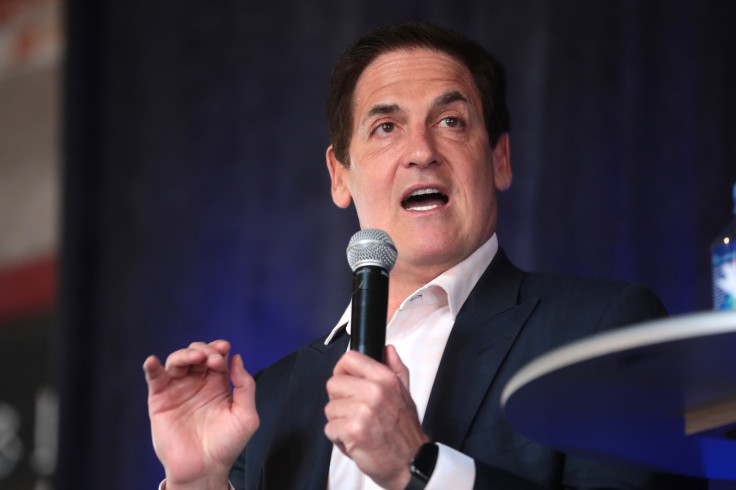
Billionaire entrepreneur Mark Cuban has criticised CVS Health's planned breakup, arguing that the healthcare giant's decision to split into two publicly traded companies will do little to make medicines or healthcare more affordable for ordinary Americans.
In a recent post on X, Cuban warned lawmakers and consumers not to mistake the corporate restructuring for meaningful healthcare reform, saying the move was largely beneficial to shareholders rather than patients.
'That's pretty funny,' Cuban wrote in response to comments from CVS Chief Executive David Joyner. 'He is a genius financial engineer. The split is great for shareholders. Changes nothing for patients or anyone who pays for insurance or care.'
'He is posturing to be able to say "See, we broke up our company." Don't fall for it,' he continued, while tagging Senators Josh Hawley and Elizabeth Warren.
The criticism comes after CVS announced on 4th November that it intends to separate its sprawling healthcare business into two independent companies by H1 2028.
Insights Into CVS' Planned Split
CVS Health currently operates several major healthcare businesses under one corporate structure, including its pharmacy chain, health insurance operations, and prescription drug management services.
Under the proposed restructuring, these operations will be divided between two companies.
The first, which will retain the CVS Health name, will include Aetna, the health insurance business; CVS Caremark, its pharmacy benefit manager; CVS Specialty; and healthcare providers Oak Street Health and Signify Health.
The second company, called CVS Pharmacy, will operate approximately 9,000 retail pharmacies, its mail-order pharmacy business, MinuteClinic locations, and Health100 technology services.
Existing CVS shareholders are expected to receive ownership stakes in both companies once the separation is completed. CVS says the move will allow each business to concentrate on its own priorities, improve efficiency, and make healthcare more accessible and affordable. However, Cuban believes the most important problem remains untouched.
Why Mark Cuban Is Against the Breakup
Cuban's criticism centres on CVS Caremark, which operates as a pharmacy benefit manager (PBM). In simple terms, PBMs act as middlemen between drug manufacturers, health insurers, and pharmacies. They negotiate prescription drug prices, manage rebates, and help determine which medicines are covered by insurance plans.
These arrangements can influence how much insurers pay for medicines, how pharmacies are reimbursed, and what patients pay at the counter.
Cuban argues that CVS is keeping too much of this interconnected healthcare business together. Although the retail pharmacies will become a separate company, Aetna, Caremark, and CVS Specialty will remain under the same corporate ownership.
In his view, that means the restructuring does not address the concentration of power that can influence prescription costs and healthcare spending.
Why Lawmakers Are Getting Involved
Cuban also urged Congress to pass the proposed Break Up Big Medicine Act, introduced by Senators Hawley and Warren in February.
The proposed legislation would restrict companies from simultaneously owning healthcare providers and certain other healthcare businesses, including health insurers, pharmacy benefit managers, and drug wholesalers.
The proposal aims to reduce conflicts of interest and competition concerns arising when different parts of the healthcare system operate under the same corporate ownership. However, CVS maintains that its restructuring will create more focused businesses capable of improving affordability, access, and patient experiences.
For patients, however, Cuban's central question remains unanswered: will their prescriptions, insurance premiums, and medical bills actually become cheaper? A corporate breakup might change how Wall Street values CVS. Whether it changes what Americans pay for healthcare is another matter.
© Copyright IBTimes 2026. All rights reserved.