

X Users Post Flock CEO's Address and Photos of His Home After He Says Americans Must 'Compromise' on Privacy
Social media users target executive's home details on X following controversial remarks urging citizens to accept street-level monitoring for public safety
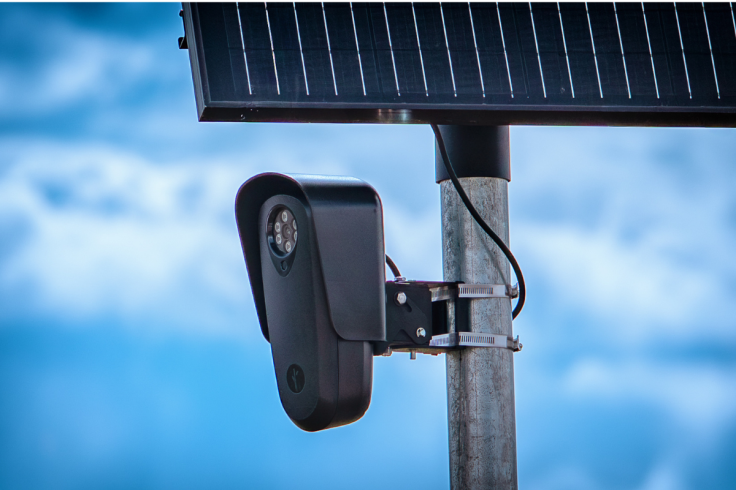
Social media users on X are circulating what they claim is the home address and photographs of Flock Safety's chief executive, after he argued that Americans should accept a 'compromise' on privacy for street‑level surveillance to work.
Posts said to show a house in Atlanta, Georgia, have been repeatedly removed by the platform, according to those who shared them.
Flock Safety makes automatic number plate recognition cameras that are widely installed by neighbourhood groups and police forces across the US to monitor vehicles entering and exiting an area.
Speaking during a television appearance on Fox News, CEO Garrett Langley rejected framing safety and privacy as mutually exclusive, insisting that citizens must balance both priorities.
Critics quickly highlighted that the executive's own neighbourhood appears heavily shielded, with mapping services blurring his residence, fueling accusations of a glaring double standard.
The explosive incident underscores the mounting public friction surrounding mass data collection and the tech executives who champion urban monitoring. The chief executive defended the network as a crime‑fighting tool, saying the public must weigh privacy against safety.
Backlash Grows Over Deleted Posts
The controversy appears to have gained momentum after a post from an account called Rad Dude Comics complained that X kept removing posts that named the executive's address and suggested he ought to accept the same privacy compromise he was recommending to others.
The comment drew a swift response. One user claimed that a Google Maps search for the property showed the image had been blurred, using the discovery to criticise the company's camera network.
Another, posting as Chris, alleged the executive's own home was protected by the same type of cameras Flock sells to communities, arguing this undercut his message that the technology kept people safe.
A further post, from an account called 'microplastics nanobubbler', responded to the original privacy‑compromise argument by challenging the chief executive to go first, alongside what was said to be a photograph of his Atlanta home. It is not clear how X is moderating the individual images being uploaded.
Doxxing Accusations Split X Users
Not everyone shared the same view. Other users pushed back, questioning what an address had to do with number plate cameras and suggesting those posting it were inviting harm against the executive rather than making an argument.
One account rejected any link between licence plate tracking and the doxxing of a private home as an inaccurate comparison, drawing a distinction between data gathered from vehicles on public roads and the publication of a residential address.
Others framed the episode in broader moral terms, with one user arguing that acts of harm typically stem from people believing themselves more important than others, a remark aimed at the perceived double standard between the executive's guarded privacy and the public's exposure to camera tracking.
Online Row Fuels Wider Surveillance Debate
The row highlights how quickly an abstract policy argument, over whether Americans should accept reduced privacy in exchange for safety, can become personal online.
Flock's supporters maintain that its cameras capture only what is already visible on public roads. Critics argue that compiling this material into a searchable database of vehicle movements amounts to a different, more invasive form of surveillance.
Three questions now hang over the dispute. X must decide how firmly to police posts naming a controversial executive's personal details, compared with how it treats similar posts about ordinary users.
Flock and its chief executive face scrutiny over why his own property appears obscured on mapping services, given his public stance on acceptable privacy trade‑offs. And the wider public will have to weigh where the line sits between holding powerful figures accountable and turning them into targets.
As the debate intensifies, the intersection of corporate lobbying, personal exposure, and data rights will ensure that street-level surveillance remains a volatile flashpoint for years to come.
© Copyright IBTimes 2026. All rights reserved.