ICE Quietly Fires New Hires After Vetting Gaps as One Recruit Died by Suicide Following Termination Notice
Former DHS officials say applicants were cleared for duty before fingerprints, identity checks and other screening had been completed
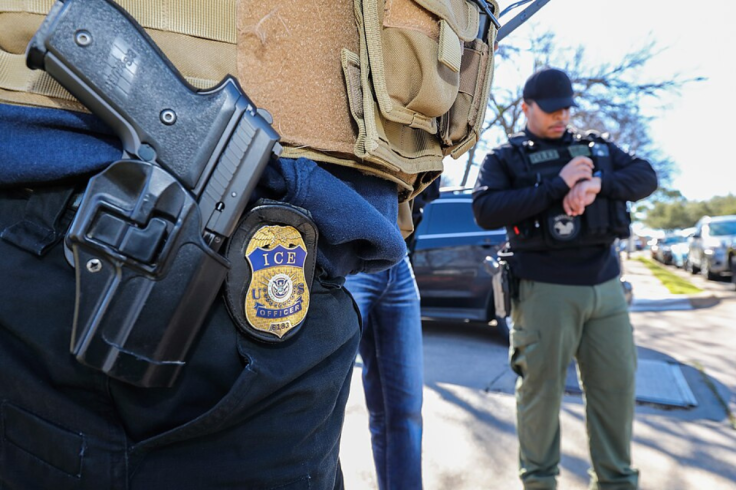
Immigration and Customs Enforcement is dismissing officers it hired during last year's recruitment surge over problems in their backgrounds that former officials say should have been caught before they were hired.
The dismissals were reported by The Washington Post on Tuesday, 15 September 2026, in an investigation by Alex Horton and Ted Hesson based on interviews with three former Department of Homeland Security officials who spoke anonymously.
One of those dismissed was Joseph Moore, a 38-year-old Marine reservist and father of two, who died outside the agency's Philadelphia office on 28 August 2026 after being told he would lose the job.
The medical examiner classified the death as suicide; his family disputes that conclusion and has questioned how police handled the incident.
The Hiring Surge That Outran Its Own Vetting
The recruitment drive was intended to expand ICE's workforce to support the administration's mass-deportation agenda.
The agency offered signing bonuses of £36,900 ($50,000) and extended job offers to 12,000 recruits, and the hiring moved so quickly that many new officers were on the streets before they had been adequately vetted, according to multiple former officials.
A warning went to the inspector general more than a year ago. An ICE whistleblower wrote to the DHS Office of Inspector General in August 2025 urging officials to halt the expansion, saying the agency had been overwhelmed and that applicants were being cleared for duty without fingerprints, identity verification or credit checks.
The dismissals have raised fresh questions about whether that accelerated process missed problems it should have identified. In recent months the agency has begun quietly firing some recruits, citing poor performance and red flags that the former officials say the vetting should have caught before anyone was sworn in.
Moore's Pursuit of a Law Enforcement Career
Moore had wanted a policing career since he was a teenager. Writing to the supervisors of a Pennsylvania township in 2020, he said policing was in his blood and that there was no other career for him, according to employment records filed in federal court.
His record made that difficult. Two law enforcement agencies had dismissed him and others had rejected him, according to the Post, and he worked for the Internal Revenue Service before being dismissed and later found a policing job in the small city of Spring City, Pennsylvania, where he had hoped to advance through the ranks.
The ICE signing bonus was comparable to a full year of his previous salary, and he was hired in the autumn of 2025 as a deportation officer.
Two former colleagues at the Philadelphia office told the Post they believed his death might never have happened had ICE vetted him properly and concluded at the outset that he was not qualified for the role. One noted that once a person is fired from law enforcement it is extremely hard, rightly or wrongly, to get back in. What drove Moore's actions is not known.
Questions Surrounding Moore's Death
The sequence has been set out by the Post and by the family. ICE notified Moore in late August that he would be fired and instructed him to report to its Philadelphia office. His family said the notice arrived one day before his one-year anniversary with the agency and three days after he filed a workers' compensation request relating to a car crash.
The police account and the family account do not match. A spokesperson for the Philadelphia Police Department said officers responded to a report of an armed individual in distress and tried to de-escalate, that the man then drew a firearm and discharged it towards himself, and that no officer fired a weapon.
Moore's family disputes the conclusion. In a statement to the Post they defended his record as an officer and raised doubts that he died by suicide, saying he was on the phone with ICE officials in his final moments and that the person speaking to him was trying to resolve the situation peacefully and believed he had been talked down when his vehicle was surrounded by Philadelphia officers with guns drawn.
The department says part of its work is unfinished. While the investigation into the death has concluded, the force said an ongoing internal review will assess how its officers responded and acted during the incident.
ICE's accelerated hiring drive is now under scrutiny as the agency dismisses some of the recruits brought in during last year's expansion, and Moore's death has added a deeply personal dimension to questions about its vetting procedures.
© Copyright IBTimes 2026. All rights reserved.
- Recommended For You