

10 Photos of Gracie Bon: Why Her 'Life Is Priceless' Post Amid Panama Earthquake Rubble Sparked Backlash
Bon said she visited the affected area to donate resources and raise awareness, while critics questioned whether the images placed too much focus on her
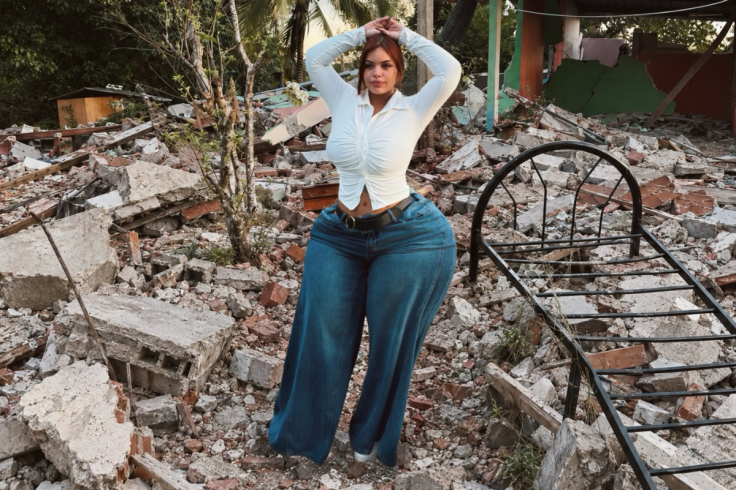
Panamanian influencer Gracie Bon has faced criticism after sharing photographs of herself among the rubble left by powerful earthquakes in Panama. Some commenters questioned the decision to pose at the scene of a natural disaster, arguing that the images risked distracting from the communities affected.
The photographs were shared on Instagram on Sunday, 11 October, according to reporting on Bon's post. Her caption described the aftermath of the earthquakes and urged people to value life, appreciate what they have and help those in need.
'The reality of my country 💔 after the earthquake, we have to remember that the material is recovered, but life is priceless', Bon wrote. She also encouraged Panamanians to remain strong and said the country would get through the crisis.
Why the Photos Drew Criticism
Criticism appeared in the comments beneath Bon's Instagram post. Commenters questioned why she would share posed pictures from the site of a natural disaster, according to reporting on the response to her post.
The contrast between the caption and the photographs was apparent. Bon's words focused on loss, gratitude and assistance, while the images placed her at the centre of a scene marked by collapsed buildings and debris.
Some commenters criticised the presentation of the photographs and questioned the decision to share them. The available reporting does not establish how widely the criticism spread beyond those comments, nor does it establish Bon's motives beyond her own explanation.
The backlash came as Panama was still dealing with the consequences of two powerful earthquakes. A magnitude 7.7 earthquake struck on Friday, 9 October, followed by a magnitude 6.6 earthquake, with officials later reporting damage in all 10 of Panama's provinces and two Indigenous territories.
Gracie Bon Responds to Criticism
Bon later responded to the backlash in a video. She said she had visited the affected area to donate resources to families and try to help rebuild their lives.
She also rejected the suggestion that the photographs were posed. According to her explanation, she wanted to share them with her followers to raise awareness of families whose homes had been destroyed and to inspire people to help.
Her explanation provides her stated reason for sharing the images. It does not remove the criticism from people who questioned how the photographs presented the disaster.
IBTimes UK cannot independently verify Bon's motives or the full extent of the reaction to her post, so any judgement about intent should be treated with caution. The exact number of photographs in the original post also could not be independently confirmed from the available reporting.
What We Know About the Panama Earthquake
The magnitude 7.7 earthquake struck near Pitaloza Arriba, in the central province of Herrera, at a depth of approximately 13 kilometres, according to the US Geological Survey. It shook buildings in Panama City, prompted evacuations and was felt as far away as neighbouring Colombia.
Panama's government declared a state of emergency on Saturday as aftershocks continued. Presidential Minister Juan Carlos Orillac said homes, schools, healthcare facilities, roads and hotels were among the damaged facilities.
The country's National Civil Protection System reported 27 people injured, with injuries ranging from minor to moderate. Officials did not attribute any deaths to the earthquakes at that stage.
Most of the damage was concentrated in the central provinces of Veraguas, Herrera, Coclé and Los Santos. The Civil Protection agency tallied roughly 420 damaged homes and about the same number of public schools, along with seven hotels, at least 13 churches and nine bridges.
The episode highlights the challenges public figures can face when sharing images from disaster zones. Posts intended to draw attention to affected communities can prompt criticism if viewers believe the presentation places too much emphasis on the person sharing the content rather than those experiencing the crisis.
Bon said she wanted to raise awareness, while critics questioned the presentation of the photographs. Her explanation and the criticism reflect differing interpretations of the post.
© Copyright IBTimes 2026. All rights reserved.