

'I Didn't Abandon Theology': Henry Hastings Claims Evangelicals 'Redacted' Scripture in New Book
The author's move towards continuationism has led him to reassess biblical teaching on spiritual gifts while rejecting unchecked religious authority
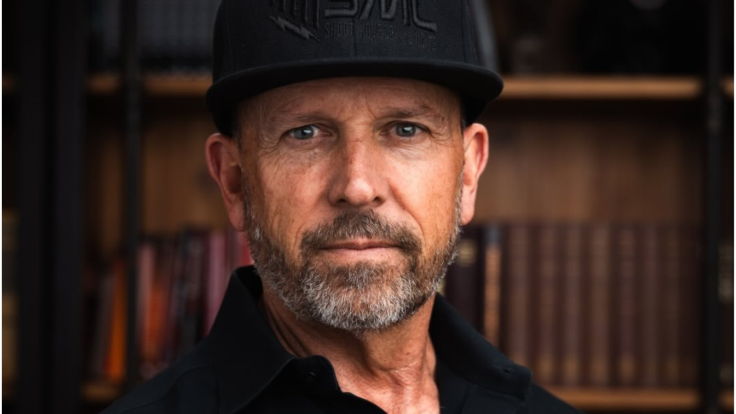
Henry Hastings says his shift from rejecting modern spiritual gifts to embracing their continuation forced him to confront long-held theological beliefs, raising questions about religious authority and accountability.
Henry Hastings is challenging established Evangelical teaching in his new book, UnRedacted: Awakening to the Life God Actually Intended, arguing that some Evangelical traditions have, in his view, effectively sidelined biblical teachings about apostles, prophets and spiritual gifts. He says experiences that challenged his theological framework led him to reconsider a position he had held for 20 years.
A former US Army Green Beret and Dallas Theological Seminary graduate, Hastings describes moving from cessationism to continuationism. Cessationism holds that certain spiritual gifts, often described as miraculous or sign gifts, ceased during the apostolic age. Continuationism maintains that such gifts remain available to Christians today.
The author is not alleging that churches physically removed biblical passages. Rather, he argues that certain interpretations have effectively treated some teachings as no longer applicable, despite their continued presence in Scripture.
Why Henry Hastings Says Evangelicals Have 'Redacted' Scripture
In UnRedacted, the author points to Ephesians 4 and 1 Corinthians 12–14, passages addressing ministry roles and spiritual gifts. He argues that some Evangelical traditions have accepted certain biblical teachings while treating others as no longer applicable.
'I didn't abandon theology; I went deeper into it,' Hastings said, describing how he returned to Scripture after experiences challenged the beliefs he had previously accepted.
His theological background had led him to believe that certain manifestations of the Holy Spirit belonged to the apostolic age. When he encountered experiences that did not fit that framework, he began questioning whether his interpretation adequately accounted for the biblical text.
He says his reading of Scripture revealed instructions governing spiritual gifts, but no passage that he considered an explicit statement that they would cease with the deaths of the original apostles or the closing of the biblical canon.
That interpretation places him on one side of a longstanding disagreement among Christians. Cessationists and continuationists differ over how New Testament passages should be understood and whether gifts such as prophecy, healing and speaking in tongues remain active.
Henry Hastings Also Warns Against Abuses of Spiritual Authority
Despite challenging cessationist teaching, the author does not present every claim of supernatural activity as genuine. He acknowledges abuses within parts of the charismatic Christian world and argues that spiritual experiences should not shield religious leaders from scrutiny.
'Calling something a manifestation of the Holy Spirit does not make it one,' he said.
He argues that prophetic messages should be tested, spiritual gifts exercised responsibly, and religious leaders held accountable for their actions. A claimed revelation, in his view, should not override Scripture or prevent legitimate questions.
His position also addresses the New Apostolic Reformation, a contested movement among Evangelicals whose approaches to modern apostolic and prophetic leadership vary.
Some groups, he believes, have made the opposite mistake to cessationists by elevating modern apostles and prophets into positions of excessive authority. Such titles should not confer unquestionable power, social status or control over other believers.
He maintains that the original apostles occupied a unique place in Christian history and that no modern leader should claim authority equal to Scripture.
Henry Hastings Opens up About Personal Failure and Restoration
The book also addresses a difficult chapter in Hastings' own life. He says he included his personal failure because writing about grace, freedom and restoration without acknowledging his past would have presented an incomplete account.
He distinguishes between forgiveness and a return to religious leadership. Genuine repentance can bring restoration, he argues, but it does not automatically restore someone to a position of authority or erase the consequences of their actions.
'Ministry leadership is a stewardship, not an entitlement,' he said.
More generally, he argues that when a religious leader's actions have harmed others, their needs must take priority over protecting the leader's reputation or public platform. Accountability, demonstrated repentance and time are necessary when considering whether someone should return to ministry.
Hastings says he is no longer the senior pastor of a church and does not wish to pastor a church again, although he continues to serve people in other ways.
These reflections connect personal responsibility with the book's wider message. He argues that spiritual gifts cannot substitute for character, and religious influence should never place someone beyond accountability.
The author also describes moving towards what he calls the 'Gospel of the Kingdom', a broader understanding of Christian life that, in his view, encompasses salvation, spiritual transformation and service in the world.
Through UnRedacted, Hastings calls on Christians to reassess their interpretations of Scripture, particularly passages concerning spiritual gifts. His views reflect his theological position in an ongoing debate among Christians.
© Copyright IBTimes 2026. All rights reserved.