

'House of the Dragon' Will End With Season 4 as HBO Avoids Overextending the Saga
HBO confirms a four-season plan for 'House of the Dragon' through 2028
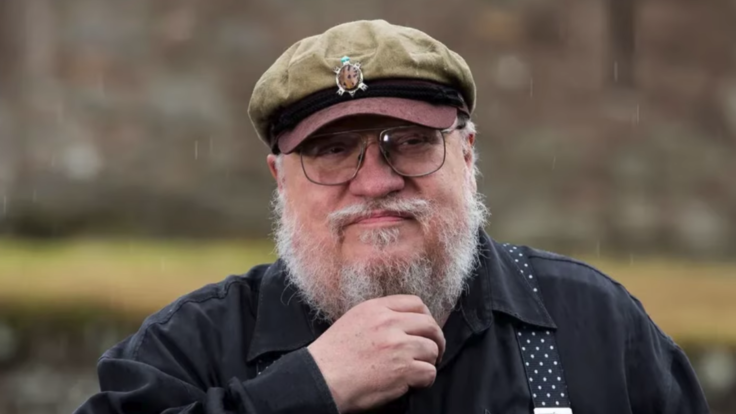
HBO has confirmed that House of the Dragon will officially end with Season 4, bringing the Targaryen-led Game of Thrones spinoff to a planned conclusion rather than allowing the series to stretch beyond its historical scope.
The confirmation came from HBO chairman and chief executive Casey Bloys, who said the decision reflects a long-standing creative plan rather than a reaction to ratings or audience pressure. From its earliest development stages, House of the Dragon was designed to adapt a specific period in George R.R. Martin's fictional history.
'Yes, that is the idea,' Bloys said. 'The idea has always been to follow the history of the Targaryens. If you know the books, you know how the Targaryens end up. So there is a natural end to this particular history of that House.'
HBO later confirmed that House of the Dragon will end with Season 4, with the final instalment expected to air in 2028.
Why HBO is Avoiding an Open-Ended Franchise
The decision stands in contrast to the original Game of Thrones, which ran for eight seasons and faced criticism in its later years for rushed pacing and compressed storytelling. This time, HBO appears determined to avoid similar issues by defining a clear endpoint early in the show's lifespan.
Season 3 of House of the Dragon is scheduled to debut in summer 2026, followed by the fourth and final season two years later. Both seasons will air on HBO and stream on HBO Max, alongside other Westeros-set projects already in development.
Rather than relying on one long-running series to anchor the franchise, HBO is spreading its slate across multiple focused stories. This strategy allows individual series to end decisively while keeping the wider Game of Thrones universe active.
'Dance of the Dragons' Has a Natural End Point
At the heart of House of the Dragon is the Dance of the Dragons, a brutal civil war that pits rival Targaryen factions against one another in a violent struggle for the Iron Throne. Dragons play a central role, functioning as both symbols of legitimacy and devastating weapons of war.
As the conflict escalates, the cost is felt across Westeros, with both human lives and dragons lost in the pursuit of power. This storyline, chronicled in Martin's book Fire & Blood, unfolds along a fixed historical timeline with a definitive conclusion.
Ending the series with Season 4 allows HBO to depict the full rise and collapse of this era without compressing events or extending the narrative beyond its natural limits.
Creative Tensions Behind the Scenes
Despite the show's success, House of the Dragon has faced creative challenges behind the scenes. Martin has publicly criticised certain adaptation choices and described his relationship with showrunner Ryan Condal as severely strained.
Following HBO confirmingHouse of the Dragon Season 4 as the final season, Martin said he felt increasingly disconnected from the direction of the series, particularly during discussions around Season 3.
Even so, HBO executives remain committed to completing the story as planned. Bloys confirmed that discussions around the episode count for the final season are ongoing, with Condal currently focused on post-production for Season 3 while outlining the structure of Season 4.
What Comes Next for the 'Game of Thrones' Universe
As House of the Dragon moves toward its conclusion, HBO is already preparing the next phase of the franchise. A sequel series centred on Arya Stark is reportedly in early development, while an animated project titled Nine Voyages will follow the adventures of Corlys Velaryon.
For viewers, the decision to end House of the Dragon with Season 4 offers clarity. Instead of risking narrative fatigue, HBO is choosing to close this chapter decisively, allowing the Targaryen saga to end on its own terms before new stories take its place.
© Copyright IBTimes 2026. All rights reserved.
- MOST POPULAR IN Entertainment


