

'I'm Not Black': Elon Musk Slams South Africa's 140 Discriminatory Laws – Does Reverse Racism Really Exist Here?
The Starlink chief said South Africa has more than 140 laws that discriminate against non-Black citizens.
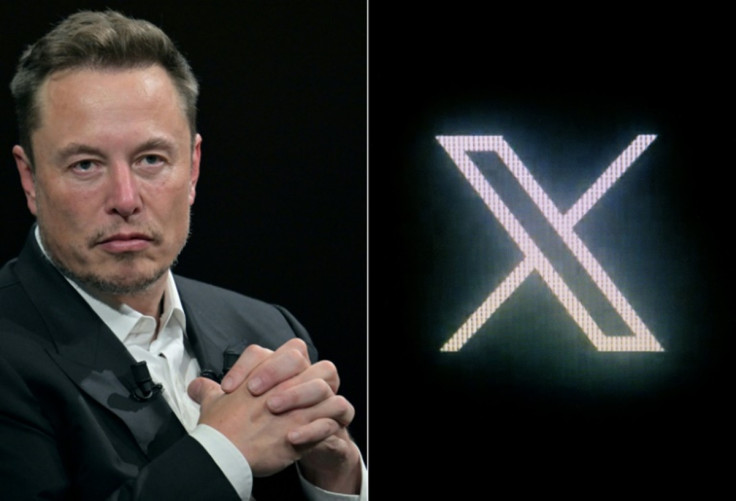
Elon Musk has once again thrust South Africa's post-apartheid race laws into the global spotlight, arguing that he and his companies are being shut out because of their racial classification.
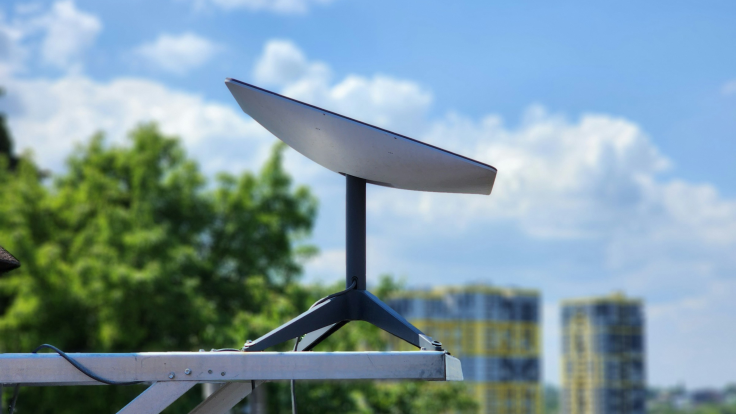
In a recent series of posts on X, the SpaceX and Starlink chief said South Africa has more than 140 laws that discriminate against non-Black citizens, claiming Starlink cannot operate in the country because he is 'not Black.'
The comments reignited a long-running debate over Black Economic Empowerment (BEE), affirmative action, and whether policies designed to undo apartheid-era injustice can fairly be described as 'reverse racism.'
What Musk Is Claiming And Why Starlink Is Central
Musk's argument centres on South Africa's BEE framework, which requires companies in certain sectors, including telecommunications, to meet Black ownership thresholds or provide approved alternatives.
For telecom licences, this has historically included a requirement for 30 per cent Black ownership or equivalent contributions.

Musk has framed this as outright racial exclusion. In earlier comments in March 2025, and again this week, he argued that Starlink cannot operate in South Africa because the rules are 'race-based' and incompatible with what he described as Nelson Mandela's vision of equality.
"There are 140 laws in South Africa that basically give strong preference to if you are a black South African and not otherwise. Starlink is not allowed to operate in South Africa, because I’m not black."
— DogeDesigner (@cb_doge) January 8, 2026
一 Elon Musk
pic.twitter.com/EpaNDRmoqX
He called for an end to what he labelled 'discriminatory laws,' suggesting they amount to punishment for people who are not Black.
Where the '140 Laws' Figure Comes From
The claim about '140 discriminatory laws' traces back to a 2025 report by the Institute of Race Relations (IRR), a liberal South African think tank.
The IRR catalogued 142 statutes, regulations, and policy instruments that reference race, most of them tied to BEE or affirmative action frameworks. Crucially, the list includes a mix of binding laws, regulations, and non-binding guidelines.
Not all of them reportedly impose direct restrictions, and none resemble the blanket exclusion enforced under apartheid. Supporters of BEE argue these measures are designed to widen access to jobs, ownership, and education for Black South Africans who were systematically excluded under white minority rule.
Critics like Musk and the IRR describe the framework as discriminatory. Supporters describe it as a reparative policy aimed at narrowing gaps that remain stark three decades after apartheid ended.
Was Starlink Actually Blocked?
South African regulators dispute Musk's core assertion. Officials, including communications regulator ICASA, have said Starlink never submitted a formal licence application, meaning it was not rejected on racial grounds.
In December 2025, the government eased rules to allow 'equity equivalents,' enabling foreign firms to meet empowerment requirements through investments in skills training, infrastructure, or other development contributions instead of direct ownership.
Officials say this change applies broadly and benefits many multinational firms, not just Starlink.
More than 600 US companies currently operate in South Africa under similar empowerment rules. Government spokespeople have repeatedly said there is no evidence of targeted discrimination against Musk or his businesses.
Is This 'Reverse Racism'?
Legal scholars and policy experts largely reject the framing of BEE as 'reverse apartheid.' According to subject matter experts, Apartheid was a system of enforced racial domination backed by criminal law, pass controls, land dispossession, and political exclusion.
BEE, by contrast, operates through incentives, licensing conditions, and exemptions aimed at increasing participation in an unequal economy.
Former Public Protector Thuli Madonsela has described BEE as 'reparative justice,' arguing it seeks equality of outcome rather than racial hierarchy. Fact-checkers and South African officials also note there is no evidence supporting claims of genocide or systemic persecution of white citizens.
Meanwhile, Musk continue to emphasise the racial exclusion narrative as he recently said on X, 'This is not ok.' Whether this clash can be bridged may determine whether Starlink ever operates in Musk's country of birth.
© Copyright IBTimes 2026. All rights reserved.