

Israel Reportedly Installed Security at Epstein's Apartment: Was Ex-Israeli PM Barak Involved?
Emails reveal Israeli officials coordinated security at Epstein's Manhattan apartment, linked to former PM Ehud Barak.
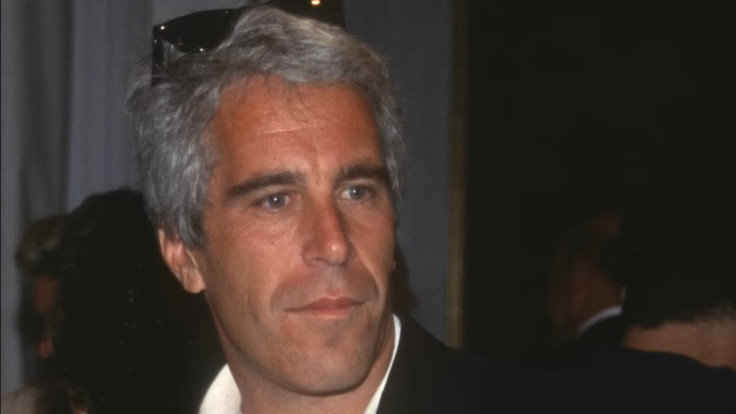
The fresh batch of newly-released emails by the US Department of Justice shows that the Israeli government installed and managed security systems at convicted sex offender Jeffrey Epstein's apartment. In this case, a previous prime minister may be to blame.
According to the Epstein files, Epstein's Manhattan apartment was frequently used by former Israeli Prime Minister Ehud Barak. There are email exchanges between Israeli officials and Epstein's staff to prove the link.
The discussion focused mostly on alarms, surveillance equipment, guest access, and other security matters at the property at 301 E. 66th Street in New York.
The documents cover a period starting in early 2016 and continuing for at least two years. They provide new details about how security arrangements were coordinated at a residence tied to Barak. At the same time, it raises questions about how foreign government personnel interacted with Epstein's circle over time.
Emails Detail Israel's Security Coordination at Epstein's Apartment
The DOJ emails show officials from Israel's permanent mission to the United Nations in New York communicating regularly with staff at Epstein's residence about security systems and access.
In January 2016, Drop Site News reported that there was correspondence between Nili Priell — Barak's wife — and an Epstein aide. The pair discussed installing alarm systems and window sensors at the apartment. The plan included the ability to remotely control entry to the residence, according to the emails.
Priell wrote that Rafi Shlomo, then director of protective services at the Israeli UN mission and head of Barak's security team, could 'neutralise the system from afar.' This would allow authorised visitors into the apartment safely.
An Epstein aide replied that 'Jeffrey says he does not mind holes in the walls and this is all just fine!' — a statement indicating Epstein's consent for the installations.
Subsequent emails from early 2017 show further exchanges regarding lists of Epstein staff who required access to the apartment. There were also meetings between Shlomo and Epstein personnel about security procedures and guest movements.
The emails suggest that background checks on cleaners and employees entering the apartment were discussed. They also show that official coordination continued throughout 2016 and into late 2017.
Why An Ex-Israeli PM is Using Epstein's Apartment
Former prime minister Ehud Barak reportedly stayed at the Manhattan apartment on multiple occasions. Correspondence repeatedly refers to the property as 'Ehud's apartment.' Internal communications about repairs, staff access, and supplies reflect preparations tied to his visits.
Barak led Israel from 1999 to 2001 and maintained a long‑standing relationship with Epstein.
Records reviewed by news outlets and public databases show that Barak visited Epstein's residences in New York many times between 2013 and 2017. The pair reportedly kept in regular contact long after Epstein's first conviction in 2008.
Barak has since expressed regret for his association with Epstein but has denied any personal wrongdoing.
Under Israeli practice, former prime ministers and other senior officials often receive continued security support after leaving office. The emails indicate that Israeli personnel coordinated with Epstein's staff to manage that security support for Barak.
Prime Minister Benjamin Netanyahu's office has said previously that Barak and Epstein's relationship does not imply that Epstein acted on behalf of the Israeli government.
Epstein's Manhattan Apartment's Role in Epstein Files
The Manhattan apartment at 301 E. 66th Street has appeared in other parts of the Epstein Files disclosures. Files from civil suits and testimony allege that units in the building were used by Epstein's network, including for housing visitors connected to his social circle.
Those allegations stem from civil litigation and witness accounts, not from the security emails themselves.
It's also worth noting that the newly released DOJ documents focus on the coordination of surveillance and access measures. They do not detail criminal charges tied to the apartment beyond its ownership by a company linked to Epstein's brother, Mark Epstein.
Epstein maintained multiple residences in New York and elsewhere that have been the subject of scrutiny. Publicly available records show he met with a range of influential figures, including government officials, business leaders, and academics, over many years.
Responses and Official Statements
At the time of publication, neither Barak nor representatives of the Israeli mission to the United Nations in New York had issued comments specifically about the security arrangements described in the emails.
In recent interviews, Barak has said he regrets his longstanding friendship with the disgraced financier on multiple occasions. He has since denied knowing about the full extent of Epstein's criminal conduct.
He emphasised that he faced no allegations of personal connection with Epstein's cases.
© Copyright IBTimes 2026. All rights reserved.