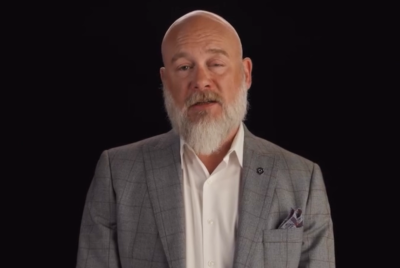
Playboy Mansion Vs Epstein Files: Comparisons Grow After Hugh Hefner's Widow Claims 'Books' Full of Naked Photos of Young Girls Existed
Crystal Hefner's allegations against the Hugh M. Hefner Foundation raise serious concerns about privacy and consent

Crystal Hefner, the widow of Playboy founder Hugh Hefner, has filed regulatory complaints alleging that his foundation possesses 3,000 scrapbooks filled with explicit images of women and possibly underage girls.
The materials, dating back to the 1960s, have sparked fresh scrutiny, with observers drawing disturbing parallels to the Jeffrey Epstein files amid claims of non-consensual photography and privacy breaches. Crystal Hefner was ousted as foundation chief executive after voicing concerns over their handling.
The Scrapbook Allegations Unpacked
At a press conference in Los Angeles on 17 February, flanked by lawyer Gloria Allred, Crystal Hefner detailed her fears that the Hugh M. Hefner Foundation holds thousands of nude photographs taken before, during and after intimate moments. She emphasised that these were private images, never meant for publication in Playboy or elsewhere, and could include women under the influence of alcohol or drugs from mansion parties, rendering consent impossible.
'The materials span decades, beginning in the 1960s, and may include images of girls who were underage at the time,' she said. Allred added that the collection encompasses Hefner's personal diary, logging sexual exploits with names, acts and even menstrual cycles tracked. The foundation, based in Illinois, is reportedly digitising the items, raising risks of data leaks or unauthorised distribution.
Crystal Hefner filed complaints with the attorneys general in California and Illinois, calling it a civil rights matter. She noted her own images are among them, and stressed that women's bodies 'are not property, are not history, are not collectibles.'
Parallels with the Epstein Scandal
The disclosures have prompted widespread comparisons to Jeffrey Epstein, the convicted sex offender whose files revealed a network of exploitation involving young women and powerful figures. Online discussions highlight how Hefner's Playboy empire, with its elite-attended parties, mirrored Epstein's operations in enticing and documenting encounters with vulnerable females.
Former models have long accused Hefner of coercive behaviour, much like Epstein's victims described grooming and non-consensual acts. One analysis describes Hefner as the blueprint for Epstein, with both men using luxury mansions to host gatherings that allegedly served as fronts for abuse and potential blackmail. Hefner's scrapbooks, chronicling decades of exploits, echo Epstein's troves of compromising materials, though Hefner's were ostensibly personal rather than for overt leverage.
Social media users have speculated on connections, with one noting 'Hugh Hefner and Jeffrey Epstein were presumably connected,' citing shared circles in media and politics.
Hugh Hefner and Jeffrey Epstein were presumably connected. Also, multiple accounts over the years have demonstrated ate most of the Playboy Bunnies were in fact victims of sexual enslavement in one or another way.
— Nitzkiah b’ Avigdor Czarnecki ✡️✝️🇺🇸🇮🇱 (@Nickidewbear) February 19, 2026
While Hefner's name appears peripherally in Epstein documents—through mutual acquaintances—no direct client link exists.
Reactions and Broader Context
The story has ignited debate on social media and beyond, with feminists and survivors' advocates praising Crystal Hefner's courage. Gloria Allred framed it as speaking 'on behalf of thousands of other women and possibly girls.'
On X, The Times and The Sunday Times noted that Crystal Hefner claims the foundation possesses scrapbooks and journals with sexual images of women and underage girls, amplifying calls for transparency.
Crystal Hefner says the foundation of her late husband, the Playboy founder, possesses scrapbooks and journals with sexual images of women and underage girls https://t.co/LR28HjrC7O
— The Times and The Sunday Times (@thetimes) February 18, 2026
Critics argue this tarnishes Playboy's legacy, already under fire from #MeToo revelations. A brief timeline: Hefner founded Playboy in 1953; mansion excesses peaked in the 1970s-80s; post-2017 death, multiple allegations surfaced in documentaries. Legal experts suggest the complaints could lead to probes into consent laws and data privacy, though destruction of materials remains a contested option.
The attorneys general offices confirm receipt of the filings but offer no timeline for action. The foundation's board, meanwhile, maintains silence amid growing pressure. This case may force a reckoning with Hefner's era, potentially reshaping views on historical figures once celebrated for liberation but now scrutinised for exploitation.
© Copyright IBTimes 2026. All rights reserved.
- MOST POPULAR IN Trending