Louise Haigh Says Britain Was 'Too Slow' on Gaza, Vows UK Will 'No Longer Stand By' as Children Are Killed
First Secretary of State links UK policy shift to sanctions on West Bank settlement trade and services
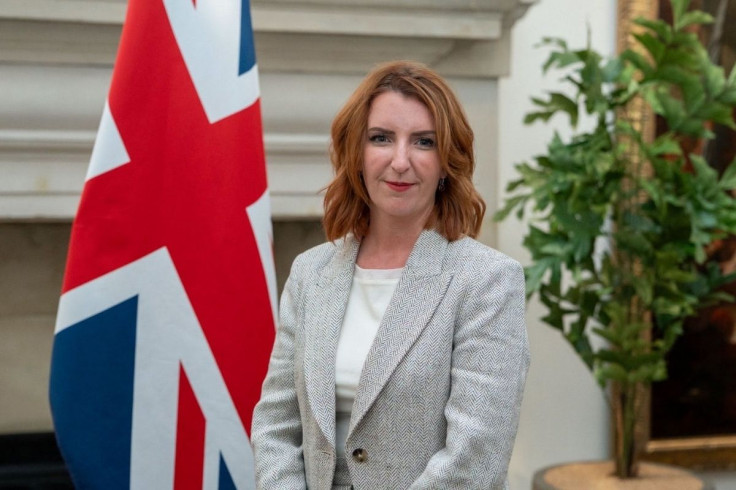
First Secretary of State Louise Haigh has said Britain was 'too slow' in responding to the crisis in Gaza and the West Bank, declaring that the UK will 'no longer stand by' while Palestinian families are torn apart and children are killed.
Haigh delivered the remarks at the Trades Union Congress in Brighton on Tuesday, 15 September.
Britain 'Hesitated' Over Gaza
Addressing trade union delegates, Haigh said the government had to be guided by values of solidarity with people facing persecution and injustice, including Palestinians in Gaza and the West Bank.
She backed Prime Minister Andy Burnham's acknowledgement that Britain had been too slow in its response.
'At a time when it has never been more important to remind the world who we are, we hesitated,' Haigh said.
She then signalled a change in approach, saying the UK would no longer stand by while Palestinian families were torn apart, children were killed in Gaza, and prospects for a two-state solution disappeared.
The remarks appear in the official transcript of her speech. The government published the delivered version following her address to delegates in Brighton.
Haigh has served as First Secretary of State, Chancellor of the Duchy of Lancaster and Minister for the Cabinet Office since 20 July 2026.
Sanctions Target Israeli Settlements
Haigh linked the tougher rhetoric to measures announced by Foreign Secretary Ed Miliband the previous week, describing the sanctions as part of a change in course.
She stressed that the government did not hold Israeli citizens responsible for their government's actions. Instead, she said Britain was deliberately targeting illegal settlements, increasing pressure on the Israeli government and seeking to preserve prospects for peace.
On 8 September, the UK joined Canada, Denmark, Finland, France, Iceland, Ireland, Norway, Poland, Portugal, Spain, and Sweden in announcing plans for national or European restrictions on trade involving Israeli settlements in the occupied West Bank.
The British government said it would bring forward national measures banning trade in settlement goods. It has also outlined plans to target companies and individuals providing services that contribute to settlement expansion.
The UK maintains that Israeli settlements in the occupied West Bank are illegal under international law. Israel disputes international interpretations of the status and legality of settlements and has criticised sanctions targeting them.
Haigh "We will no longer stand by while innocent Palestinian families are torn apart"
— Saul Staniforth (@SaulStaniforth) September 15, 2026
The UK is still arming Israel while Haigh is on the record as saying they've committed genocide. How can she reconcile those two things? Maybe a ministerial car has something to do with it? pic.twitter.com/3nmt3RSuw3
Two-State Solution at the Centre of Shift
Haigh framed the government's response around protecting the possibility of an independent Palestinian state alongside Israel.
She warned that continued violence and settlement expansion risked allowing the hope of a two-state solution to evaporate.
Her comments came one week after Britain and 11 other governments said settlement expansion and settler violence were undermining that possibility and called on Israel to halt expansion.
Haigh said Britain would seek to build a coalition of international partners and increase pressure in pursuit of peace.
The speech went beyond expressing concern about civilian deaths. By acknowledging that Britain had previously hesitated and connecting that admission to sanctions, Haigh presented the government's latest measures as a deliberate change in its approach to Gaza and the West Bank.
© Copyright IBTimes 2026. All rights reserved.
- Recommended For You