Lucy Letby Inquiry: 3 Babies Might Have Survived as Doctors' Warnings Failed to Trigger Action
The inquiry says earlier action over suspected insulin poisoning and concerns raised in May 2016 might have prevented three babies' deaths
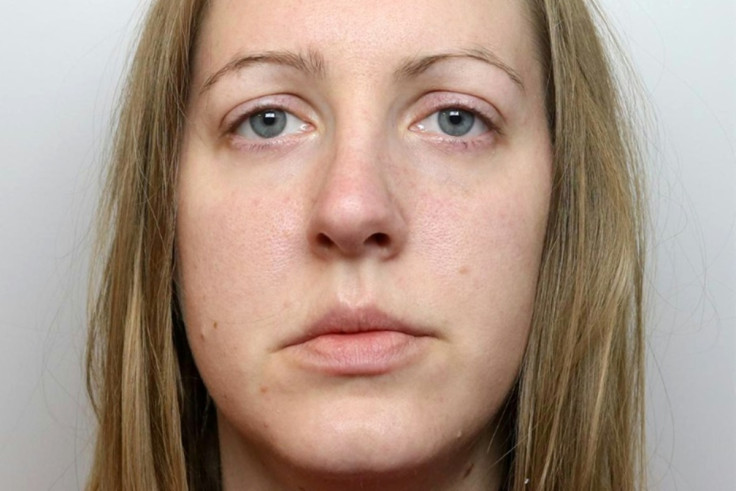
The Thirlwall Inquiry has laid bare how repeated warnings about Lucy Letby failed to trigger decisive action, leaving babies exposed to harm at the Countess of Chester Hospital. Its findings detail missed opportunities, managerial inaction and safeguarding failures that, according to the report, might have prevented deaths.
Published on 15 September, the 822‑page document traces a pattern of hesitation and dismissal. Doctors raised concerns, blood results pointed to insulin poisoning, and suspicions grew among consultants. Yet Letby remained on the neonatal unit, with managers opting to 'monitor and alert' rather than remove her from clinical duties. Lady Justice Thirlwall concluded that three babies might have survived had earlier steps been taken.
Meeting That Left Letby on the Ward
Consultant paediatrician Dr Stephen Brearey attended the May meeting seeking action over the unexplained increase in neonatal deaths and Letby's presence during incidents.
The report found that senior nurses dismissed his concerns and executives failed to act. The agreed approach, described as 'monitor and alert', left Letby working day shifts.
Brearey accepted the outcome despite being worried. Thirlwall found that opposition from colleagues had undermined his confidence. Yet certainty was never the requirement for protective action.
'He did not have to be sure,' the report states. Suspicion was sufficient to trigger safeguarding steps.
Earlier Warning in Blood Results
The missed opportunities stretched back to August 2015, when Baby F's blood results indicated insulin from an external source. The inquiry found that those results should have reached the medical director and prompted contact with police.
Baby I died that October. Suspicions among consultants subsequently became clearer, but Letby remained on the unit. The report's chapter examining why action was delayed describes clinicians struggling with doubts while managers rejected the possibility of deliberate harm.
In her publication statement, Lady Justice Thirlwall said Letby should have been moved from the ward once those suspicions emerged, allowing investigation while protecting babies.
She was explicit about the later missed opportunity: following the May 2016 meeting, babies O and P should not have died.
The inquiry examined the hospital's response and wider safeguarding failures. It did not reconsider Letby's criminal convictions.

Doctors Told to Apologise, Parents Left Uninformed
Even after Letby was moved away from the neonatal unit, the response continued to go wrong.
According to the inquiry's published findings, clinicians who raised concerns became subjects of investigation through Letby's grievance process. Three consultants were told to apologise. Plans to return her to the unit were later abandoned.
Parents were not told about reviews or suspicions that their babies had been deliberately harmed. Medical records were shared with outside experts without their consent.
The government has apologised to families and announced an urgent review of safeguarding training alongside plans for video monitors in neonatal cots.
The inquiry also proposes a specific change to how warnings are handled. Its recommendations call for a national protocol by 31 March 2027 requiring immediate action on good-faith concerns about deliberate harm. Whether a manager personally believes the allegation would be irrelevant, protecting patients must take precedence.
© Copyright IBTimes 2026. All rights reserved.
- Recommended For You