

Andy Burnham Set for No 10 'Coronation' Backed by 322 Labour MPs Even as Critics Question His Democratic Mandate
Burnham's Leadership Bid Raises Questions on Democratic Mandate and Policy Clarity
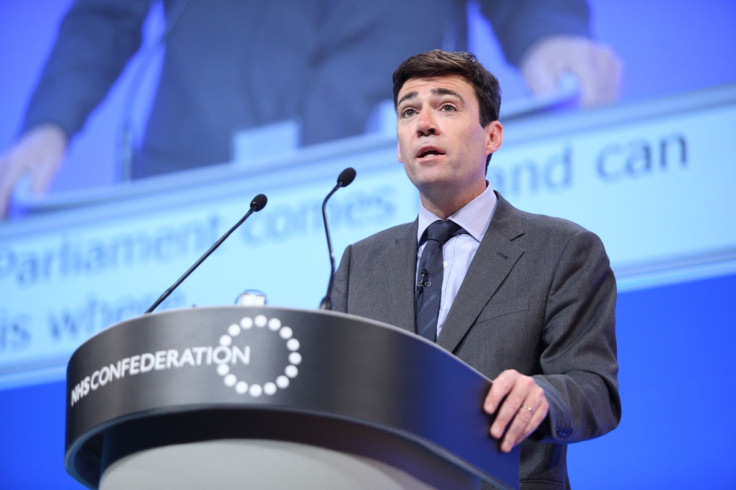
Andy Burnham is set to enter No 10 on 20 July after 322 Labour MPs, nearly 80 per cent of the parliamentary party, nominated him to succeed Sir Keir Starmer as Labour leader and Britain's next prime minister.
The scale of support leaves Burnham all but certain to take the job without a full leadership contest, prompting questions over his democratic mandate and still-limited policy platform.
Burnham's surge comes less than a month after he returned to Parliament as MP for Makerfield, having previously served as mayor of Greater Manchester. Sir Keir resigned as Labour leader after Burnham's by-election victory, opening a rapid succession process.
A challenger needs 81 MP nominations to reach a members' ballot; with 322 already behind Burnham, there is now almost no path for an alternative candidate.
The last plausible rival, former armed forces minister Al Carns, bowed out on Wednesday night, telling reporters that while he had wanted 'a proper debate', months of internal wrangling was not what the country needed: 'Andy Burnham's earned this and he's got my full backing.'
Allies of Burnham said Carns had as few as three supporters, including himself, a measure of how quickly the parliamentary party fell in line.
Cabinet Hopefuls Already On Manoeuvres
Behind the scenes, positioning for top jobs is already under way. Deputy Prime Minister David Lammy, Chancellor Rachel Reeves, Foreign Secretary Yvette Cooper and Attorney General Lord Hermer were all visibly active at Westminster on Thursday.
Ed Miliband is said to want the Chancellorship, despite unease among some MPs about what they describe as his 'Soviet' instincts, while David Miliband, long exiled from front-line politics, gave a speech on Thursday night amid speculation of a comeback.
Notably absent from the nomination list were Steve Reed, Home Secretary Shabana Mahmood, Energy Secretary Ed Miliband and party chair Anna Turley, though Labour sources noted nominations require an in-person or proxy submission, so absence does not necessarily signal dissent.
Speed Of Handover Raises Mandate Questions
Of course he will be worse. He has no mandate. https://t.co/i0p4aLYzT1
— Paul (@thumpermaxie) July 8, 2026
Burnham has not yet spoken in the Commons since returning, avoided media questions after a speech last week, and has ruled out a snap election, despite previously criticising the Conservatives for changing prime minister mid-parliament without going to the country.
He is expected to be appointed after MPs leave for summer recess, meaning no Prime Minister's Questions or parliamentary scrutiny of his agenda until September.
Asked whether Burnham would make a better prime minister than him, Sir Keir laughed and said such things were 'best judged by other people.'
Policy Signals Remain Limited
Two years ago, Britain elected a Labour Government on a mandate for change. That victory followed @Keir_Starmer's hard work of rebuilding Labour, restoring discipline, credibility and trust.
— Callum Anderson MP (@_CallumAnderson) July 9, 2026
Now we must accelerate that change, and that's why I have nominated @andyburnham.
Burnham has said he is 'deeply grateful' to the MPs who backed him, pitching his leadership as a 'circuit breaker' offering 'power out of Westminster' and 'good growth in every postcode'.
Ally Louise Haigh said a detailed 100-day plan has been 'quietly in development for a long time', though little has been made public.
He has sketched some substance: arguing in The Times that defence spending should boost British industry, and apologising on video for Labour's stance on Gaza, saying the party had been 'too slow to call for a ceasefire' and pledging to examine further sanctions and a ban on trade with illegal settlements.
On tax and spending, though, he has pledged only to stick to Labour's existing manifesto while pushing harder on devolution.
The Unite union, whose general secretary Sharon Graham was previously a Starmer critic, gave Burnham a 'conditional nomination', warning this was 'the last chance saloon' for Labour: 'If warm words are not followed up by action, workers and communities prepared to listen now, will walk away.'
That decision, and the voters', is the one Burnham has so far chosen to delay.
© Copyright IBTimes 2026. All rights reserved.