

Hospital Under Investigation After Flammable Disinfectant Ignites Mother's Genitals During Childbirth Delivery
A Prague hospital is under probe after a flammable disinfectant ignited during a caesarean section, causing burns to a new mother
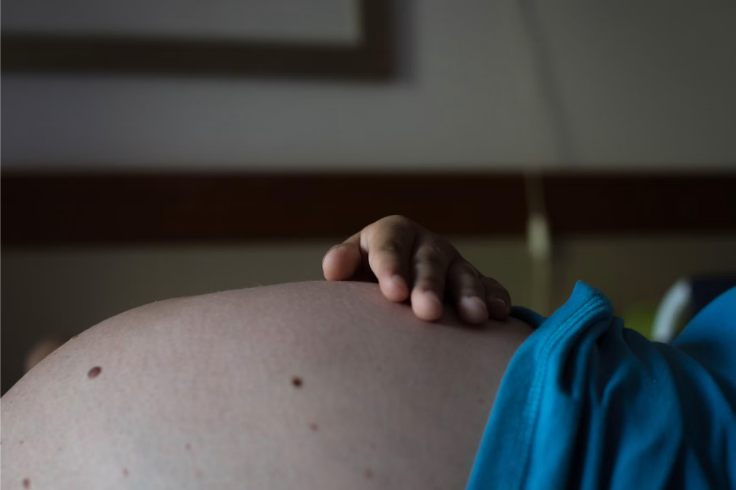
A hospital in Prague is under investigation after a flammable disinfectant used during a caesarean section caught fire and burned a new mother's genitals, thighs and abdomen.
The 24-year-old woman was injured during an emergency caesarean section at Bulovka University Hospital on 25 August 2026, AFP reported, after a hospital spokeswoman confirmed the incident on Monday.
Czech daily Deník N first reported that the mother suffered burns to her genitals, thighs, sides and lower belly after a device used to control bleeding ignited a flammable disinfectant that staff had applied. Her baby was not injured.
A Rare Emergency Procedure Turns Into a Medical Incident
Hospital spokeswoman Eva Stolejda Libigerova told AFP that the caesarean section was carried out because of acute obstetrical complications, without elaborating on what those complications involved.
She confirmed the hospital is investigating the incident in line with its standard procedures but declined to discuss further details of what she described as a rare occurrence.
According to Deník N's reporting, the fire began when an electrosurgical device used to stop bleeding during the operation ignited residue from a flammable disinfectant applied to prepare the surgical site.
The newspaper reported that the woman was subsequently transferred to another Prague hospital with a specialised burns unit before being returned to Bulovka for continued care.
The Mother Remains in Stable Condition
Libigerova said the mother's condition is stable and does not require intensive care. She remains on a standard maternity ward with her newborn child rather than in a specialised burns facility, the spokeswoman said, though she did not disclose how long the woman is expected to stay in hospital or what further treatment her injuries may require.
Bulovka University Hospital, on the northern outskirts of the Czech capital, is one of the country's largest hospitals and includes departments spanning obstetrics, trauma care and infectious disease. The hospital has not said whether any staff members involved in the delivery have been suspended or reassigned while its inquiry continues.
Czech health authorities have not indicated whether the incident will trigger a wider review of infection-control and fire-safety practices in the country's maternity wards, and the Ministry of Health has not issued a public statement on the case.
Hospital fires involving patients are rare enough in the Czech Republic that the incident has drawn national attention, with several Czech outlets beyond Deník N following up on the AFP report through Monday.
A Known Hazard in Operating Rooms Worldwide
Fires caused by the combination of alcohol-based skin antiseptics and heat-generating surgical tools are a recognised, if uncommon, hazard in operating rooms internationally.
The US Food and Drug Administration has issued guidance describing what it calls the surgical 'fire triangle': an oxidiser, a fuel source such as an alcohol-based prep solution, and an ignition source such as an electrosurgical or cauterising device.
Studies have found that even antiseptics containing as little as 20 per cent alcohol can ignite once all three elements combine.
The FDA estimates that roughly 550 to 650 surgical fires occur in the United States each year, and research reviewing operating-room fire data has found that around 70 percent involve electrosurgical equipment, with a further significant share linked to oxygen-enriched environments common during certain procedures.
Guidance from the FDA and the American Society of Anesthesiologists calls for allowing antiseptics to dry fully and preventing them from pooling on or around a patient's skin before any heat-generating device is used nearby, precautions intended to prevent exactly the kind of ignition Bulovka's hospital is now investigating.
Surgical teams are also advised to communicate clearly before a procedure begins about which member is responsible for applying antiseptic, controlling any ignition source, and managing oxygen delivery, since fires typically occur when these roles are not coordinated.
Clear plastic adhesive drapes, which reduce the pooling of alcohol vapour around a surgical site, are among the most commonly recommended safeguards in international guidance on the issue.
A Similar Fire Elsewhere Underscores the Risk
The Bulovka case echoes a fatal 2019 incident in Romania, where a 66-year-old cancer patient died a week after being set alight during surgery when an electric scalpel ignited a flammable disinfectant.
A Romanian lawmaker said medical staff described the patient suffering burns across 40 percent of her body before a nurse extinguished the flames with a bucket of water.
Romania's health ministry opened its own investigation into that case, and the incident prompted renewed calls across the European Union for standardised fire-safety protocols in operating theatres, though implementation has varied widely between member states.
For now, Bulovka's investigation remains open, and the hospital has given no timeline for when it expects to explain how a routine caesarean section left a new mother recovering from burns as well as childbirth.
© Copyright IBTimes 2026. All rights reserved.