Kash Patel Defends Shocking FBI Bestiality Hiring Rule Meant to Shield Human Trafficking Victims
Patel admits he didn't write the rule and first reacted in disbelief when staff proposed it

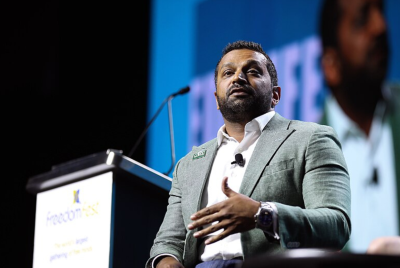
FBI Director Kash Patel defended a quietly introduced hiring rule on Tuesday that lets people who engaged in bestiality as children join the bureau, telling senators the change shields human trafficking victims forced into abuse, not predators chasing a badge.
A Rule Patel Says He Didn't Write
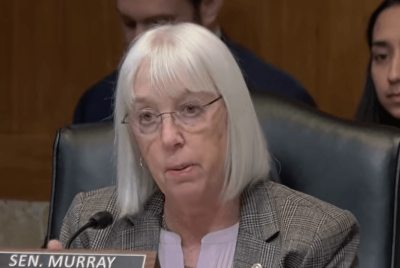
Patel appeared before the Senate Judiciary Committee on Tuesday, 15 September, for an oversight hearing that stretched close to five hours. The most revealing moment wasn't his defence of the rule. It was his admission that he didn't come up with it.
Under questioning from Republican Senator John Kennedy of Louisiana, Patel said subordinates recommended the change and brought it to him. Kennedy asked why he hadn't confronted whoever proposed it and demanded to know what planet they had parachuted in from. Patel conceded that scepticism was his first reaction before he signed off.
The debate isn't only about a policy bearing Patel's name. It's about who inside the FBI pushed to loosen the ban, and why the director agreed.
What the FBI Actually Changed
The Federal Bureau of Investigation (FBI) quietly issued guidance in the spring that lifted an automatic hiring ban on applicants who had previously engaged in prostitution. It made a similar change for applicants who engaged in bestiality as children, meaning before the age of 18.
Patel framed both moves as protection for victims. 'We did not want to punish victims of bestiality, victims who were trafficked,' he told the panel. 'We did not want to make it an automatic disqualification for the FBI to consider you if you were a victim of these awful, heinous acts.'
The change doesn't open the door to everyone, and it goes to a basic question for the public: whom the bureau will trust to carry a badge and a gun. The FBI still intends to disqualify some applicants with a prostitution history, including anyone who engaged in it within the past 10 years.
Kennedy and Democrats Press for Answers
The committee's ranking Democrat, Senator Richard Durbin of Illinois, called Patel the least qualified and most partisan director in the bureau's history and accused him of steering resources towards protecting President Donald Trump.
Republicans were no gentler on the hiring issue. Kennedy pressed Patel on how a rule covering such rare conduct reached his desk. Patel insisted the bureau would never hire someone who willingly committed the act and said the goal was to weigh unusual cases individually rather than reject qualified people.
Critics Say the Change Was Never Needed
For some former officials, the rationale doesn't hold. Andrew McCabe, a former FBI deputy director who spent 21 years at the bureau, told CNN he found the episode baffling and couldn't recall it ever coming up in his career.
McCabe's sharper point was procedural. He argued the FBI can already appeal any single disqualification on a case-by-case basis, so a formal rule change was never necessary to help a rare victim. He also noted that the victim protection explanation wasn't attached to the policy when it first surfaced publicly.
That gap between the original rollout and Tuesday's defence is now the question senators want answered, and it's one the FBI hasn't fully addressed.
© Copyright IBTimes 2026. All rights reserved.
- Recommended For You