UK Break-Up Plan: Scotland and Wales Want Back Into Europe as Northern Ireland Eyes Irish Unity
Pro-independence leaders are joining forces to demand greater control over their futures
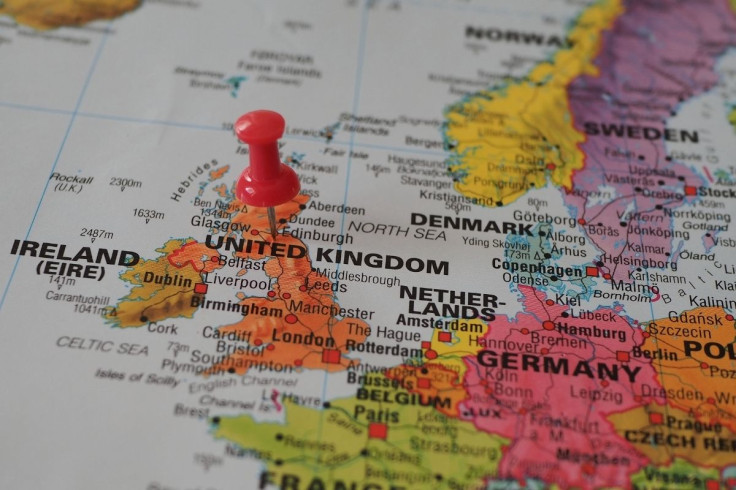
Britain's constitutional future is facing renewed pressure as pro-independence political leaders from Scotland, Wales and Northern Ireland gather in Cardiff on Monday, 14 September, to strengthen cooperation over their nations' right to determine their own futures.
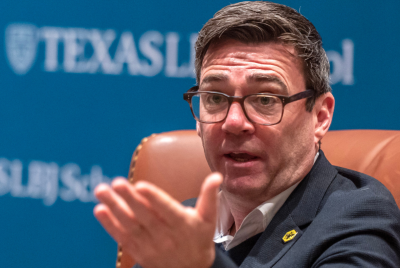
Scottish First Minister John Swinney, Welsh First Minister Rhun ap Iorwerth and Northern Ireland First Minister Michelle O'Neill are attending alongside Sinn Féin president Mary Lou McDonald. Crucially, the three First Ministers are participating in their capacities as party leaders rather than as heads of their devolved governments, keeping the meeting separate from formal intergovernmental business.
The gathering brings together politicians pursuing three different constitutional projects: Scottish independence, Welsh independence and Irish reunification.
Three Movements Find Common Ground
The meeting comes at an unusual moment in British politics. All three devolved First Minister positions are simultaneously held by politicians whose parties support constitutional outcomes that would ultimately remove their nations from the United Kingdom.
However, there is no single coordinated plan to dismantle the UK. Instead, the parties are cooperating around the principle that decisions about constitutional change should rest with voters in Scotland, Wales and Northern Ireland.
For Scotland and Wales, independence could also reopen questions about future membership of the European Union following Brexit.
Scotland Has Already Drafted Its Referendum Bill
Scotland has taken one of the clearest recent steps towards another independence vote.
The Scottish Government published a draft Independence Referendum Bill on 28 August 2026. The proposed legislation contains the question: 'Should Scotland be an independent country?'
The government says the bill would be introduced once Scotland secures the legal powers necessary to hold another referendum.
Swinney has argued that momentum for constitutional change is growing and that Westminster should respect Scotland's democratic right to choose its future.
Wales Has Its First Plaid Cymru First Minister
Wales has also entered unfamiliar political territory.
Rhun ap Iorwerth became First Minister on 12 May 2026, putting the pro-independence Plaid Cymru leader at the head of the Welsh Government.
His presence in Cardiff, therefore, carries historical significance, although he is joining Monday's discussions as Plaid Cymru leader rather than representing the Welsh Government in an official First Ministerial capacity.
Welsh independence has traditionally attracted less support than its Scottish counterpart, but Plaid Cymru's rise has pushed the constitutional question further into mainstream Welsh politics.
Northern Ireland Has a Different Route
Northern Ireland's constitutional future operates under a separate legal framework.
Under the 1998 Good Friday Agreement and subsequent legislation, Northern Ireland remains part of the United Kingdom unless a majority of its people vote for Irish reunification. The Northern Ireland Act 1998 provides for a poll where it appears likely that a majority would vote for Northern Ireland to leave the UK and join a united Ireland.
Sinn Féin supports such a vote, commonly called a border poll. O'Neill has repeatedly argued that constitutional change on the island is possible, while unionist parties remain committed to Northern Ireland remaining part of the UK.
That makes Monday's gathering significant without amounting to a unified 'break-up plan.'
Scotland, Wales and Northern Ireland each face different political and legal routes to constitutional change. What now links their nationalist leaders is an effort to make the right to choose those futures a shared challenge to Westminster.
© Copyright IBTimes 2026. All rights reserved.
- Recommended For You