Scotland, Wales and Northern Ireland Leaders Unite To Press Westminster Over Referendum Rights
The leaders of Scotland, Wales and Northern Ireland are expected to discuss independence, Irish unity, European relations and devolved powers
Scotland, Wales and Northern Ireland's pro-independence party leaders, who also hold the three First Minister posts, are due to meet in Cardiff on Monday to sign a joint declaration urging Westminster to facilitate votes on their nations' constitutional futures.
John Swinney, Rhun ap Iorwerth and Michelle O'Neill will use the party summit to advance a shared self-determination agenda.
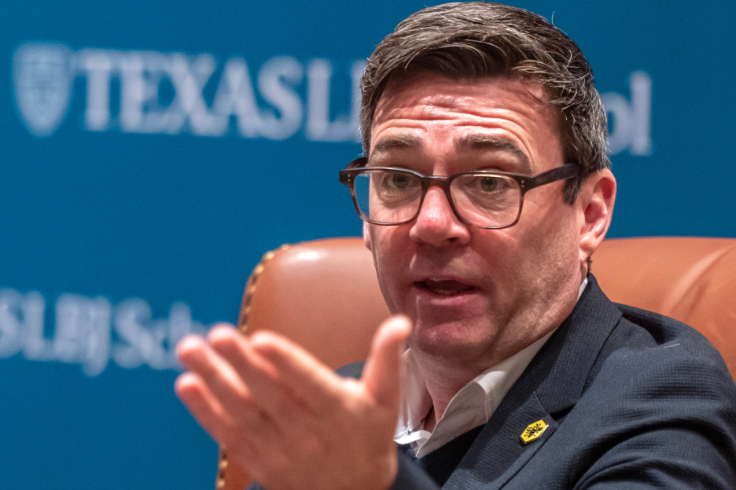
The meeting follows Prime Minister Andy Burnham's suggestion that another Scottish independence referendum could be considered if there were a 'clear consensus' in favour of one.
It also comes two days after US President Donald Trump said during a visit to Ireland that he would 'love' to see a united Ireland.
Independence Votes Bring Westminster Into Focus
The three leaders are expected to meet at St David's Hotel in Cardiff Bay, where Sinn Féin president Mary Lou McDonald is also due to attend. Reports say that the first ministers plan to sign a memorandum of understanding covering the economy, energy, Europe and international cooperation, alongside self‑determination.
The summit follows electoral changes across the devolved nations. Plaid Cymru became the largest party in the Senedd after May's elections, with Rhun ap Iorwerth becoming Wales's First Minister.
The SNP remained the dominant force in Scotland despite losing six Holyrood seats, while Sinn Féin has held the First Minister post since Michelle O'Neill took office in 2024, alongside the deputy First Minister in Northern Ireland's power‑sharing Executive.
Swinney said on Sunday that having pro‑independence first ministers in all three nations showed that the constitutional status quo was 'not sustainable'.
He added that the 'momentum behind serious constitutional change is undeniable' and said he would discuss what he called a 'better future' with leaders in Cardiff.
Independence Votes Follow Different Legal Paths
Although the leaders are expected to make a common case for self‑determination, the routes to any future vote differ. The Good Friday Agreement and Northern Ireland Act 1998 provide a pathway to a border poll if it appears likely that a majority in Northern Ireland would vote to become part of a united Ireland.
🚨 NEW: The leaders of Scotland, Wales and Northern Ireland will meet tomorrow to sign a joint declaration for all three countries to gain independence from the UK
— Politics UK (@PolitlcsUK) September 13, 2026
Burnham told MPs that he viewed the political question in Scotland in similar terms, saying, 'I would say that it is exactly the same situation in Scotland.' However, Scotland does not have the statutory referendum mechanism provided for Northern Ireland, and Downing Street later said its opposition to another Scottish referendum had not changed.
The Prime Minister later set out a firmer position. In a letter to Swinney on Thursday, Burnham reiterated that independence and another Scottish referendum were 'off limits', arguing that the government should instead focus on economic growth and the cost of living.
Burnham cited Labour's 2024 manifesto, which stated that the party did not support independence or another Scottish referendum, and said the government's priorities remained economic growth and the cost of living.
Independence Votes Talks Include Europe and Economic Powers
The Cardiff agreement is also expected to address relations with Europe and economic powers. The three parties are understood to support their nations being in the EU, with Scotland and Wales seeking membership as independent states and Sinn Féin supporting Northern Ireland joining the Republic of Ireland.
Plaid Cymru is expected to press Burnham for further Welsh powers over tax and spending, Crown Estate revenues and areas including policing and rail funding. A party source said there was 'a strong case for practical political cooperation' on energy, the economy, Europe and constitutional questions.
A Sinn Féin source said each nation should be able to shape its future 'through democratic means, guided by the will of its people'. Trump, meanwhile, said during his Ireland visit that bringing Northern Ireland and the Republic together appeared to him to be 'one of the naturals of all time', while declining to comment on Scottish independence.
After the Cardiff talks, the three first ministers are expected to hold a press conference setting out the terms of their agreement.
© Copyright IBTimes 2026. All rights reserved.
- Recommended For You