Luigi Mangione: Why Supporters Rally Behind the Accused UnitedHealthcare CEO Shooter
The 27‑year‑old Ivy League graduate stands accused of fatally shooting UnitedHealthcare CEO Brian Thompson in December 2024.
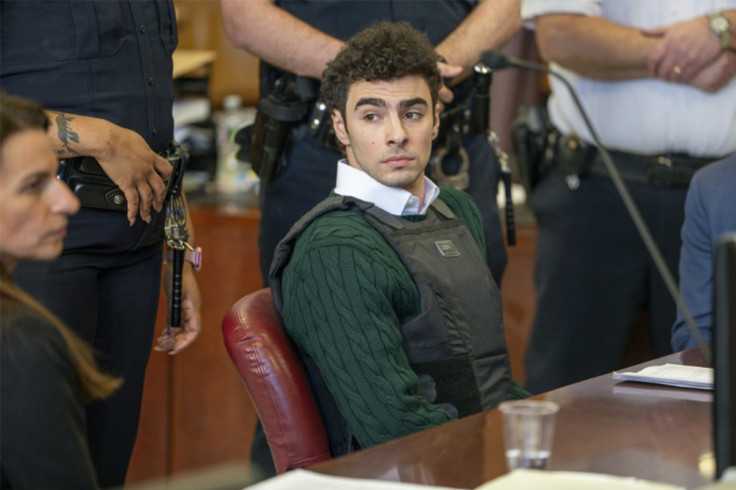
Luigi Mangione has unexpectedly become a folk-hero figure to portions of the American public, even as he faces trial for the fatal shooting of UnitedHealthcare chief executive Brian Thompson outside a Manhattan hotel in December 2024.
The 27-year-old former tech worker and Ivy League graduate has pleaded not guilty to charges stemming from the killing and remains in federal custody in Brooklyn.
Prosecutors initially pursued charges that included murder, firearms violations and a terrorism-related count, although some allegations have since been dismissed.
This week, Mangione is due back in court as his legal team moves to suppress several key pieces of evidence, including a notebook seized at the time of his arrest and statements he made to police without Miranda warnings, arguing that his constitutional rights were violated.
Yet beyond the courtroom, Mangione's case has sparked a surge of public attention that goes far beyond the facts of the crime. For many supporters, he has become not merely a defendant, but a symbol of resistance to what they view as the cruelty and indifference of the US healthcare insurance system.
How Support Has Manifested
The scale and unconventional nature of the support surrounding Mangione has grown rapidly. Billboard trucks have circulated through parts of New York City bearing slogans such as 'Free healthcare. Free Luigi,' while activists have staged informal gatherings outside court buildings as hearings approach.
An online legal defence fund coordinated by a group calling itself the December 4th Legal Committee has reportedly raised close to $1.4 million (£1.05 million) to support Mangione's court costs.
While major platforms including GoFundMe removed donation campaigns connected to the case, citing rules against fundraising linked to violent crime, donations have continued to flow through alternative sites such as GiveSendGo.
The Wall Street Journal has also reported that Mangione's place of detention has received an extraordinary volume of mail, with nearly 6,000 letters arriving from supporters nationwide. Many of the messages are said to include personal testimonies from Americans recounting denied claims, unaffordable deductibles and struggles to access medical treatment.
Grassroots groups have also formed around the case. Organisations such as People Over Profit NYC (POP-NYC) claim to be collecting accounts of healthcare denials and corporate misconduct, using Mangione's legal battle as a rallying point for broader reform activism.
Why He Is Being Framed as a 'Hero'
Among supporters, Mangione is increasingly portrayed less as a criminal suspect and more as a figure emblematic of public revolt against a profit-driven system they believe routinely harms patients.
Some activists describe the response as comparable to historic examples of so-called 'social banditry', where individuals who breach the law are nonetheless embraced by segments of society for standing up to institutions perceived as exploitative or unjust.
New York University sociologist Jeff Goodwin, who specialises in protest movements, has observed that Mangione's actions are being interpreted by some as an act of symbolic resistance.
'He had the chutzpah to do something dramatic, and certain people interpret that as courageous,' Goodwin has noted.
Many supporters identify as younger Americans who describe feeling politically alienated and financially cornered by medical debt. Others say they were driven to activism after watching loved ones denied treatments or forced to endure prolonged insurance disputes. For this audience, Mangione has come to represent a form of desperate retaliation against what they view as a system that prioritises corporate profits over human life.
A Wider Crisis in Healthcare
The fervour surrounding Mangione's prosecution reflects deeper national resentment towards America's insurance industry. Critics frequently point to rejected claims, long appeals battles, escalating deductibles and rising premiums as evidence of what they consider systemic failure.
Supporters argue that while the justice system is focused on a single violent crime, what remains unaddressed is what they describe as 'structural violence': the preventable suffering and deaths they attribute to denied medical care and cost barriers.
For many rallying behind Mangione, the messages on billboards, the court-day vigils and the thousands of letters sent to his jail cell are not celebrations of violence, but rather expressions of grief, anger and desperation aimed at forcing conversation about reform.
As Mangione prepares for further court hearings over the admissibility of evidence in his case, the dual narratives surrounding him continue to sharpen: in the courtroom, he remains a defendant facing serious criminal charges; outside it, he has become an unlikely and highly polarising symbol of the frustrations boiling over within America's fractured healthcare system.
© Copyright IBTimes 2026. All rights reserved.
- MOST POPULAR IN World