New Massachusetts Law Removes All Gestational Cutoffs and Expands Out of State Abortion Protections
Doctors, not lawmakers, now get the final word on late-pregnancy cases in Massachusetts
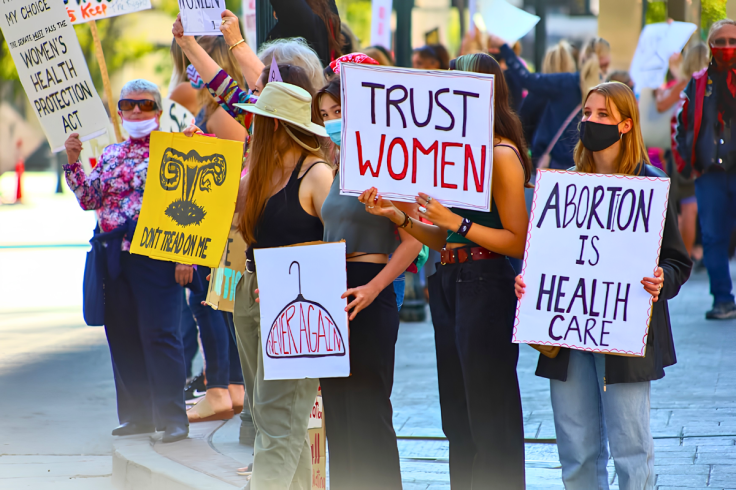
Massachusetts scrapped its 24-week limit on abortion on Monday, handing doctors sole authority over late-pregnancy terminations and making the state the 10th, by most counts, to operate with no gestational cutoff as the issue heads into November's midterms.
Governor Maura Healey signed House Bill 5595, titled 'An Act Prioritizing Patient Access to Care', at a State House ceremony, ending a framework that had allowed abortions after 24 weeks only to protect a patient's life or in cases of a fatal fetal diagnosis. The law takes effect immediately.
What the New Law Changes
The old statute set out four narrow conditions for a termination past 24 weeks. The new text removes them and states that 'an abortion may be performed by a physician based upon the professional judgment of the physician'. In practice, that shifts the final call from lawmakers to doctors.
The House passed the measure 119 to 33 on 22 July, with every voting Republican opposed and nine Democrats joining them. The Senate followed on 31 July by 15 to 4. Major hospital systems, including Mass General Brigham and Beth Israel Lahey Health, had urged passage, arguing the previous law failed patients whose complications did not fit its categories.
Massachusetts Department of Public Health data showed 99 abortions at 24 weeks or later in 2024, up from 84 in 2023. Reproductive Equity Now, which backed the bill, says care after 24 weeks accounts for less than 1% of all terminations in the US.
The 10th State or the 11th
The count itself is disputed. Trackers at KFF and Guttmacher record Massachusetts as the 10th state to drop gestational limits, alongside Washington DC, joining Alaska, Colorado, Maryland, Michigan, Minnesota, New Jersey, New Mexico, Oregon, and Vermont.
Several outlets have called it the 11th. The gap turns on a single question, whether DC is tallied beside the states or folded into the running total.
A Late Diagnosis and a 500-Mile Drive
The cases behind the law are rare and often wrenching. Kate Dineen, a Boston resident who spoke at the signing, drove roughly 500 miles (804.6 kilometres) to a Maryland clinic in 2022 while 33 weeks pregnant after her son suffered a catastrophic stroke in what she called a deeply wanted pregnancy. The diagnosis did not qualify under the old exceptions, she said, and her doctor's 'highly capable hands were tied by Massachusetts state law'.
Supporters say the change keeps such patients in-state and reinforces Massachusetts as a refuge for people travelling from states with bans. Opponents see it differently.
Massachusetts Citizens for Life, led by president Myrna Maloney Flynn, argues the law permits abortion up to birth even for healthy fetuses capable of surviving outside the womb, and questions whether one physician's judgement is a sufficient safeguard.
A Midterm Dividing Line
Healey, who is running for re-election, cast the signing in national terms. 'Abortion is on the ballot this November in Massachusetts and around the country', she said when asked about the campaign, naming Republican rival Mike Minogue as anti-abortion. Another Republican candidate, Brian Shortsleeve, has said he supports abortion rights and would have signed the bill.
The politics stretch well past Massachusetts. Post-Roe bans have pushed patients across multiple state lines for care, and Democrats have leaned on the issue since the fall of Roe in 2022. With control of Congress and dozens of statehouses at stake, the new law hands both sides a fresh argument for the autumn.
© Copyright IBTimes 2026. All rights reserved.
- Recommended For You