

Trump Administration Seeks to Weaken Respirator Protections for Workers Exposed to Asbestos and Lead
Twenty-eight Democrats say OSHA ignored its own advisers on respirator medical checks
The Trump administration is pressing ahead with plans to loosen respirator requirements for workers exposed to asbestos and lead, prompting 28 Democrats in Congress to demand that the changes be scrapped.
Proposals from the Occupational Safety and Health Administration (OSHA) would no longer require the high-efficiency particulate air (HEPA) filters that the asbestos and lead standards now specify.
Under the lead proposal, half-mask respirators worn with goggles could replace full-facepiece masks in certain situations. A related proposal would end mandatory medical checks for millions of workers who wear N95-type masks.
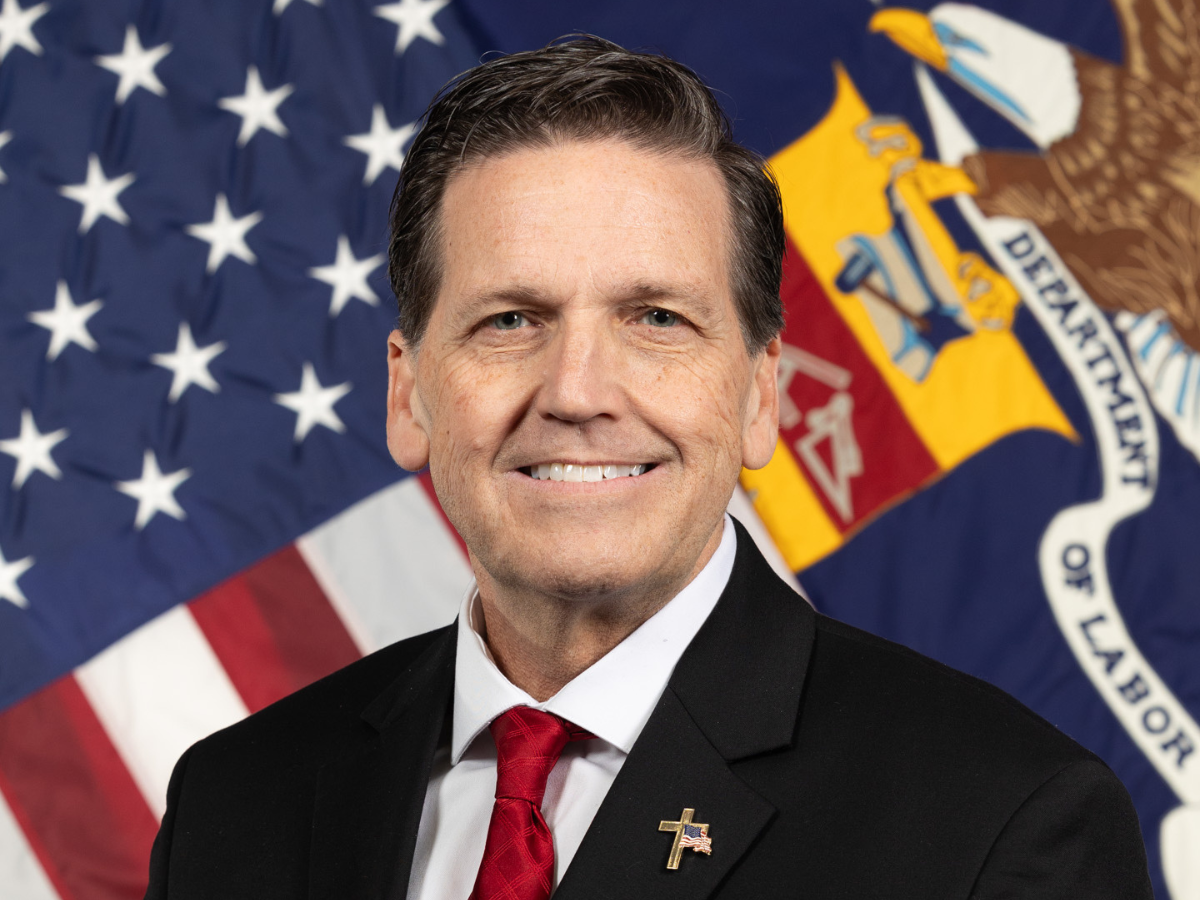
Senator Elizabeth Warren of Massachusetts and Representative Ilhan Omar of Minnesota led the objection in a letter dated 28 October to David Keeling, the assistant secretary of labor who runs OSHA. The letter was co-signed by Senators Chris Van Hollen and Cory Booker, and by House members including Pramila Jayapal, Rashida Tlaib, and Jasmine Crockett.
'OSHA now seems to be moving rapidly to finalize the removal of critical respiratory protections from more than a dozen OSHA standards,' they wrote.
What Would Change for Asbestos and Lead Workers
OSHA published the plans on 1 July 2025 as part of 63 deregulatory actions announced by the Department of Labor under President Donald Trump's executive order on cutting regulation. Sixteen of OSHA's proposals rewrite respirator rules in chemical-specific standards covering asbestos, lead, formaldehyde, inorganic arsenic, and other substances.
The agency argues that those provisions duplicate its general respiratory protection standard and that newer filters offer equal protection. Under the plans, employers would choose respirators using assigned protection factors, a general rating system, rather than substance-specific requirements.
OSHA says breathing asbestos fibres can cause asbestosis, lung cancer, and mesothelioma. Lead exposure can damage the nervous system and kidneys. The American Industrial Hygiene Association told OSHA that not all certified particulate filters guard equally well against very fine particles, including asbestos fibres.
The Associated General Contractors of America, which represents construction employers, urged OSHA to withdraw the lead change that would allow half-masks and goggles in place of full-facepiece respirators.
Medical Checks for 2.7 Million Workers
The separate proposal covers filtering facepiece respirators, such as N95s, and loose-fitting powered air-purifying respirators. Since 1998, employers have had to arrange a medical evaluation before staff wear any respirator, to screen for heart and lung conditions.
OSHA estimates that about 2.7 million private-sector employees use those two types. It projects annualised savings of about $81 million (£61 million) for some 131,000 firms. The agency said 2% or fewer workers fail the screening, and called the assumption that it detects risk for these devices 'unproven'.
The American Industrial Hygiene Association warned that dropping it would raise the danger for workers with 'cardiopulmonary or other health conditions.'
How the Rules Reached This Point
Comments were initially due on 2 September 2025, a deadline OSHA later pushed to 1 November. Because the changes apply to construction, OSHA consulted its Advisory Committee on Construction Safety and Health in 2026.
On 1 April, the committee voted five to four to recommend 'that OSHA not proceed with the proposal to remove the medical evaluation requirements.' After a second meeting on 19 May, it backed parts of the chemical rules but advised OSHA to keep the HEPA filter requirements for asbestos, lead, cadmium, inorganic arsenic, and methylenedianiline.
OSHA reopened the comment periods and held virtual hearings from 19 August. National Nurses United President Jamie Brown testified that weakened respirator programmes leave health care workers 'exposed to airborne hazards that can lead to illness, severe disease, death, and long-term health impacts.'
The lawmakers said OSHA should have first issued a request for information to gather evidence, and that it held the August hearings while Congress was in recess.
What Happens Next
None of the rules has been finalised. At the 20 August hearing, the presiding official said OSHA would review the entire record before deciding on a final rule.
The Department of Labor had not publicly responded to the letter as of 30 October. The lawmakers urged Keeling to abandon the rulemakings, writing, 'The Labor Department is endangering workers and prioritizing the interests of unscrupulous employers over Americans who work hard to provide for their families.'
© Copyright IBTimes 2026. All rights reserved.