Mayor-Elect Zohran Mamdani Raises $4 Million Transition Goal with the Help of Some of New York's Elite
A known opposition of the rich, Mamdani reached out to a handful of New York City's elite for financial support
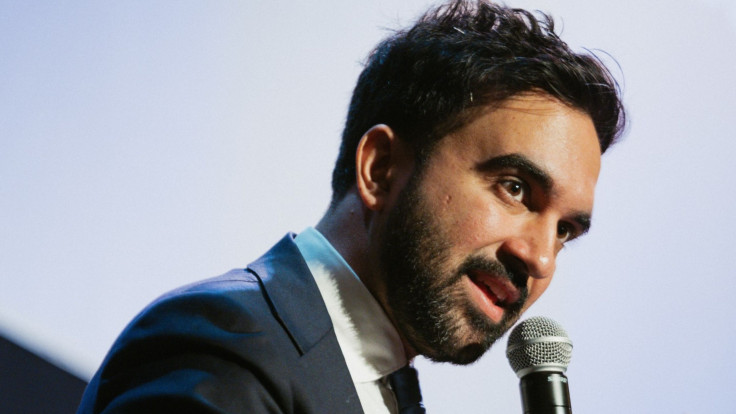
New York City mayor-elect Zohran Mamdani, who built his political brand on fervent criticisms of billionaire power brokers, has stunned observers by raising a staggering £3 million ($4 million) for his transition — much of it collected at exclusive gatherings filled with ultra-wealthy liberal donors.
The impressive total, gathered in only a few days, places Mamdani well ahead of any transition effort launched by his predecessors.
Yet the method of raising the cash has prompted accusations of hypocrisy and political inconsistency, given his long-standing disdain for affluent influence in city politics.
Opulent Events for a Candidate Opposed to Wealthy Influences
Mamdani's sudden embrace of luxury fundraisers marks a sharp departure from the grassroots image he promoted during his campaign. Instead of events targeting modest neighbourhood contributions, the mayor-elect devoted the week to attending soirées inside multimillion-dollar Manhattan homes.
One of the flagship gatherings was hosted at a chic West Village townhouse owned by billionaire investor Michael Novogratz, with another held in Tribeca, co-hosted by progressive heiress Leah Hunt-Hendrix and crypto financier Marvin Anmori.
Tickets were snapped up rapidly, with entry costing hundreds or even thousands of pounds depending on the level of access.
Insiders report that more high-profile events are planned, including a star-studded evening featuring actors and cultural figures who supported Mamdani's insurgent candidacy.
Guests are expected to include well-known Hollywood progressives, with invitations circulating among entertainment and tech elites.
Assertions of Grassroots Support Amidst an Elite Setting
Despite the glamorous donor circuit, Mamdani's transition team insists the fundraising effort was powered by ordinary New Yorkers. His transition team told the New York Times that more than 30,000 small donors chipped in, with the average contribution hovering around £66 ($88).
If accurate, that figure would represent one of the most widely supported transition efforts in New York City history. It would also dramatically outpace the donor numbers seen in transitions for previous mayors, which traditionally relied on far fewer contributors and leaned heavily on corporate checks.
The campaign argues that transitions are expensive undertakings. Funds must cover office space, background checks, legal compliance and the salaries of dozens of staff members tasked with sorting through the estimated 50,000 job applications flowing into the incoming administration.
Allegations of Contradiction and Mixed Signals
Throughout his campaign, the mayor-elect pledged to confront the influence of the city's wealthiest residents, describing their grip on politics as corrosive.
Now, merely weeks after his unexpected triumph, he is courting many of the same individuals he once held up as symbols of inequality.
Political analysts suggest these swift transitions risk alienating supporters who believed the candidate would break from establishment practices. Others argue that raising millions in a matter of days simply requires tapping into deep pockets, regardless of ideological purity.
Still, the optics are undeniably uncomfortable for a politician who frequently criticised the so-called '1 percent.'
An Expensive Beginning for a New Administration
As Mamdani prepares to take office, the transition money will be utilised to form his administration, develop early policy proposals and organise what is expected to be an elaborate inauguration. His allies insist donors will have no influence over policy decisions.
Whether voters accept that explanation remains uncertain. What is clear is that New York's new mayor-elect has initiated his administration with a fundraising operation as dramatic as his unexpected victory and one that has already raised serious questions about the gap between campaign ideals and governing reality.
© Copyright IBTimes 2026. All rights reserved.
- MOST POPULAR IN Politics