Meta Blocks Virginia Woolf Play Ads After Automated System Flags Feminism as 'Social Topic'
The rejected Instagram and Facebook campaign promoted a stage adaptation of Virginia Woolf's A Room of One's Own, highlighting the reach of Meta's EU advertising restrictions
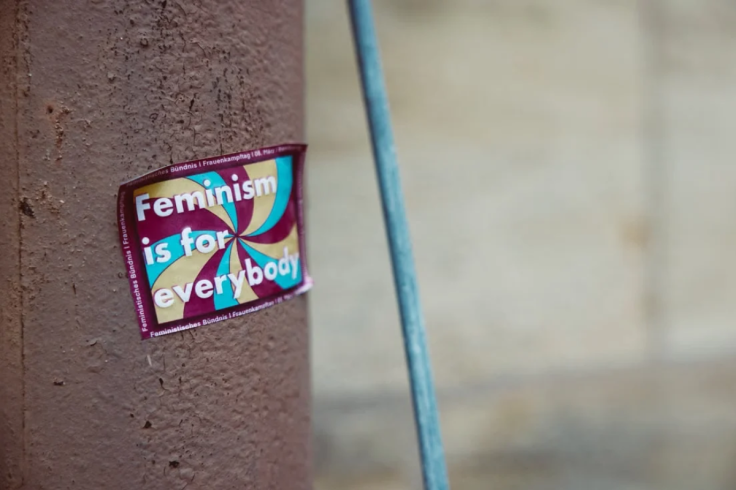
Meta initially blocked a Barcelona theatre from advertising its stage adaptation of Virginia Woolf's A Room of One's Own on Facebook and Instagram. When Teatre Raval asked why, the company pointed to how its automated system handles content relating to feminism and other social topics.
In its reply, Meta said its automatic system usually classified mentions of civil rights, feminism and social reform as 'social topics'. It then advised the 193-seat venue to remove 'key words' so the text would not appear to encourage activism. Meta later said the advert had been removed in error and restored it, allowing the campaign to run normally.
Meta will helpfully protect us from the dangers of a feminist play from 1928, but not large-scale sexual trafficking of children in 2026.
— Dr. Ann Olivarius (@AnnOlivarius) September 22, 2026
Priorities, I guess?
Turns out we *still* need a room of our own, digitally too. https://t.co/5p6DOhxnon
Actress Says the Trigger Remains Unclear
The paid campaign was meant to sell tickets for a one-woman show starring actor and producer Clara Sanchis. The initial rejection raised questions about how Meta's EU advertising restrictions may affect cultural content that refers to subjects such as feminism.
Sanchis told the Spanish newspaper La Vanguardia it was not clear whether the problem was 'the name of Virginia Woolf or... the word feminism, or both'. Either way, she said, the decision was a way of 'erasing from the map advances that have taken centuries to achieve'.
'We have given social media unlimited power,' she added, warning that the dangers of this could be seen every day. She summed up the decision in four words: 'It's bias and manipulation.'
Teatre Raval shared its own statement on Instagram, calling the initial block an 'injustice and violation of our rights'. The theatre stressed that venues like it rely on social media to tell audiences about cultural events, asking: 'What can we do?'
The EU Regulation Behind Meta's Policy
The rejection came against the backdrop of Meta's broader EU policy on political, electoral and social-issue advertising. Since 6 October 2025, Meta has stopped delivering those categories of paid adverts in the EU, a decision it has attributed to the operational challenges and legal uncertainty it says are created by the EU's Regulation (EU) 2024/900.
The regulation itself sets transparency and targeting requirements for political advertising, including information about the sponsor and the use of targeting or ad-delivery techniques, rather than imposing a blanket ban on political advertising.
Meta said the regulation created significant operational challenges and legal uncertainty, and chose to stop selling that category of advert altogether.
The policy covers paid promotion only. Meta said it 'won't prevent people or candidates in the EU from posting about and debating politics'.
Meta's automated ad-moderation systems blocked Facebook and Instagram promotional campaigns for a stage adaptation of Virginia Woolf's 1929 essay A Room of One's Own at Barcelona's Teatre Raval.#meta #tech #censorship #media #businessdor pic.twitter.com/SdtX70EIew
— Business d'Or (@BusinessdOr) September 22, 2026
A 1929 Essay Caught by a Modern Filter
Woolf's essay grew out of two talks she gave in 1928 at Newnham and Girton, then the only Cambridge colleges that admitted women. Its central argument was that 'a woman must have money and a room of her own if she is to write fiction'.
The case highlights how Meta's 'social issue' advertising policy can intersect with cultural content in Europe, even where the advert concerns a theatre production rather than an election or political campaign.
Meta's advice to remove 'key words' also raised questions about how automated systems distinguish between the subject matter of an advert and its purpose.
That has implications for cultural venues, charities and campaign groups navigating the wider policy. When Meta's restrictions took effect, FEDMA warned that the changes could restrict how charities, trade unions, civil society groups and governments reach the public.
While Meta's broader EU policy remains in place, the Teatre Raval incident also shows that an automated rejection can be reversed. Organisations promoting work on feminism, civil rights or social reform may therefore need to account for how Meta's systems classify their paid advertising, while the specific Woolf advert was ultimately restored.
© Copyright IBTimes 2026. All rights reserved.
- Recommended For You