British Woman Becomes First Patient to Receive Ready-Made Cancer Cell Therapy in World-First Trial
Tracy Tomlinson pioneers a new era in cancer treatment with innovative cell therapy
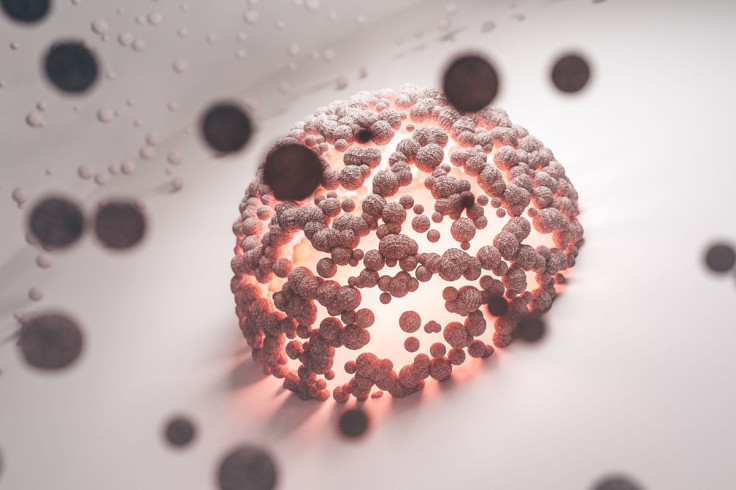
A British woman has become the first patient in the world to receive a pioneering 'ready-made' cancer cell therapy, marking a significant milestone in the development of next-generation cancer treatments.
Tracy Tomlinson, 58, from Chadderton in Greater Manchester, received the experimental treatment at The Christie NHS Foundation Trust in Manchester as part of an international clinical trial evaluating a new type of engineered immune-cell therapy. Researchers hope the treatment could eventually provide a faster and more accessible alternative to existing personalised cell therapies used to treat cancer.
The breakthrough comes as scientists continue searching for ways to make advanced cancer treatments available to more patients without the lengthy manufacturing process required by many current therapies.
First Patient to Receive Experimental Therapy
Tomlinson, who has been living with ovarian cancer since 2020, became the first person globally to receive the experimental therapy known as ZI-MA4-1.
The treatment is being tested in a clinical trial led by The Christie, with additional participation from The Royal Marsden NHS Foundation Trust in London. Researchers are evaluating its potential use against several cancers, including ovarian cancer, lung cancer, sarcomas and head-and-neck cancers.
Doctors say the trial is designed for patients with limited treatment options, offering access to a promising new approach that combines advances in immunotherapy and cell engineering.
How the Treatment Works
Unlike traditional personalised cell therapies that require cells to be collected and modified for each patient, the new approach uses laboratory-prepared immune cells that are ready for use when needed.
The therapy harnesses natural killer (NK) cells, specialised immune cells capable of identifying and destroying abnormal cells. Scientists have also engineered the treatment to recognise cancer cells that produce a protein known as MAGE-A4, allowing the immune system to target tumours more precisely.
Researchers believe this 'off-the-shelf' model could significantly reduce waiting times compared with existing cell-based therapies, which often require weeks of preparation before treatment can begin.
Growing Interest in Ready-Made Cell Therapies
Cell therapies have emerged as one of the most promising areas of cancer research over the past decade.
While treatments such as CAR T-cell therapy have produced remarkable results for some blood cancer patients, they remain expensive and time-consuming because each treatment must be manufactured individually. Scientists hope ready-made therapies could help overcome those limitations and expand access to advanced cancer care.
The trial involving ZI-MA4-1 is among a growing number of studies exploring whether engineered immune cells can be produced at scale while maintaining effectiveness and safety.
A New Chapter in Cancer Research
For Tomlinson, the treatment represents another step in a long battle against cancer. For researchers, it marks the beginning of a closely watched clinical trial that could influence the future of cancer treatment.
Although the study remains in its early stages and researchers caution that further testing is needed, the first successful administration of the therapy is being viewed as an important milestone.
If future trial results prove positive, ready-made cancer cell therapies could eventually offer patients faster access to highly targeted treatments and open a new chapter in the fight against some of the world's most challenging cancers.
© Copyright IBTimes 2026. All rights reserved.
- Recommended For You