

Nepal Flash Flood Update: At Least 95 Dead and Nearly 400 Missing After Devastating Landslide
International tourists and local residents remain unaccounted for after a massive surge tears through mountain communities near the Tibet border
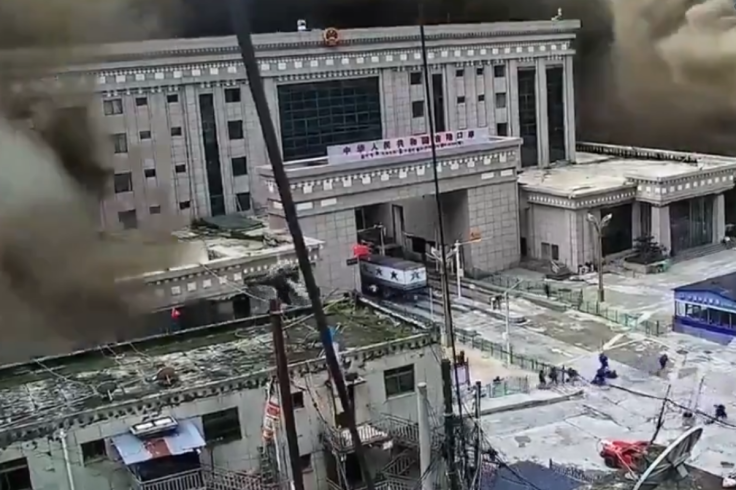
A catastrophic flash flood has torn through Nepal's rugged Bhote Koshi River valley, leaving at least 95 people dead and nearly 400 individuals unaccounted for.
The sudden and violent disaster struck early Wednesday morning, overwhelming rescue units and obliterating riverside settlements across the Rasuwa, Nuwakot, and Dhading districts.
Authorities reported that international travellers, including citizens from the United Kingdom, United States, India, and Malaysia, are among the missing following a suspected earthquake-triggered blockage and subsequent outburst originating upstream near the Tibetan border.
Emergency responders, backed by the Nepal Army and police forces, are utilising helicopters and drones to reach isolated mountain gorges, though treacherous terrain and destroyed infrastructure continue to hamper rescue efforts.
As downstream communities remain on high alert and neighbouring India dispatches emergency medical support, the unfolding tragedy has exposed the extreme vulnerability of Himalayan transport corridors to sudden glacial and seismic disruptions.
Videos circulating on social media showed violent torrents of water tearing through narrow gorges, carrying away buildings and leaving little behind.
Catastrophic Surge Strikes Rasuwa and Nuwakot Districts
The deadly disaster unfolded without warning when a massive wall of water and debris surged down the Bhote Koshi River. Local officials confirmed that dry conditions preceded the sudden torrent, which caught villagers and trekking groups completely unawares.
Preliminary investigations suggest the surge may have been triggered by an ice avalanche or a landslide that blocked the Lhende River near the border. An earthquake recorded in adjacent Tibetan territory roughly matched the timing of the catastrophic breach.
Floodwaters tore through critical border settlements including Syapru Besi and Timure, sweeping away vehicles, customs infrastructure, and newly constructed bridges. Residential areas and vital commercial hubs downstream suffered extensive physical destruction.
Authorities noted that communication networks within the hardest-hit mountainous areas remain severely compromised. Rescue coordinators have struggled to establish reliable contact with remote outposts along the river corridors.
Death Toll and Missing Tourists
Nepal Police spokesman Abi Narayan Kafle said that 95 deaths had been reported, though he cautioned that the full extent of the damage was still unclear. Nearly 30 police officers were among those still missing, he added.
The Nepal Tourism Board said 384 travellers were listed as missing, including 291 foreign nationals and 93 Nepalis, based on preliminary records from tour operators.
Among the foreigners, 105 were Indian nationals, 17 Malaysian, 12 British, 4 South African, 3 American, 1 Australian, and 1 Dutch, with the nationalities of more than 100 others yet to be confirmed.
Most were on organised trips when the flood struck, and authorities stressed the list remained provisional as verification continued.
A horrific scene of severe flooding at the Rasuwagadhi border point on the Nepal-Tibet border.
— Ravi Pandey🇮🇳 (@ravipandey2643) August 26, 2026
The strong currents wreaked havoc across the area, leaving 400 pilgrims and 105 Indian tourists also missing in the Nepal floods.#NepalFloods #Nepal #Rasuwa #FlashFlood #Floods pic.twitter.com/dwAX12Gj7l
The geography did not help. Nepal's steep valleys and narrow gorges made helicopter landings impossible in places like Syapru Besi and Timure, slowing rescue efforts.
District administrator Narendra Pariyar warned of 'heavy casualties or loss of property' and urged residents along the Bhote Koshi to move to higher ground.
The Bhote Koshi valley is a popular route for trekkers and adventure tourists heading toward the Tibet border, with rafting and hiking operators running regular trips through the area. That explains why so many foreigners appear on the missing list, though officials say the numbers could change as more information comes in.
Official Response and Infrastructure Damage
Nepali President Ramachandra Paudel said he was 'extremely saddened' by the loss of lives and property, calling on government agencies and the public to intensify relief work.
Prime Minister Balen Shah posted that coordination with medical teams, scouts and the Red Cross had begun. India ordered border-state authorities to remain on high alert as waters surged downstream.
Foreign Minister Shishir Khanal said the flood followed an earthquake-triggered landslide that blocked the river before the landslide gave way.
The Nepal Electricity Authority confirmed damage to six major hydropower and transmission facilities, though exact losses were still being assessed. Stations including Rasuwagadhi, Chilime, and Trishuli suffered structural damage, disrupting regional power distribution.
Ongoing Rescue Challenges Across Forgiving Terrain
Search and rescue operations are continuing around the clock as weather conditions permit. However, steep valley walls and blocked roadways continue to restrict access to isolated disaster zones.
Local police have deployed all available resources to search for survivors, but the scale of destruction is making it difficult to reach some areas.
Medical teams and volunteers are working to set up temporary shelters for those displaced, though supplies are limited in the remote mountain districts. Families of the missing are gathering in Kathmandu, waiting for updates that may not come quickly.
The human toll of the disaster continues to weigh heavily on local communities and international observers alike. As rescue workers push deeper into the debris, the primary focus remains locating survivors before time runs out.
© Copyright IBTimes 2026. All rights reserved.