Indonesia 7.7 Magnitude Earthquake Update: At Least 38 Dead as Landslides Block Emergency Rescuers
At least 38 people have died after a magnitude-7.7 earthquake struck eastern Indonesia, with landslides blocking rescuers from reaching isolated communities
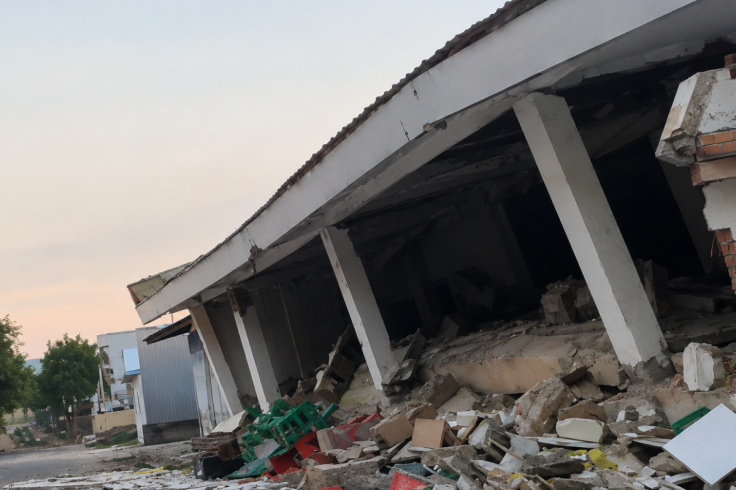
At least 47 people have died after a magnitude-7.7 earthquake struck off eastern Indonesia on Saturday, 15 August, with rescuers struggling to reach some of the areas closest to the epicentre because landslides blocked roads and communications were disrupted.
Officials said residents remained trapped in damaged buildings as aftershocks continued across the area.
Indonesia 7.7 Magnitude Earthquake Update From Flores
The earthquake struck at 4:58 a.m. local time off Flores Island, according to Indonesia's Meteorology, Climatology and Geophysics Agency, known as BMKG. The main tremor was followed by dozens of aftershocks and was felt across East Nusa Tenggara, West Nusa Tenggara and parts of South Sulawesi.
Suharyanto, head of Indonesia's National Disaster Management Agency, or BNPB, said at a televised press conference that the confirmed toll stood at 38 fatalities as of 3 p.m. local time. Two people were seriously injured, while 11 others suffered minor injuries. About 2,000 residents fled to safer ground. BNPB later raised the death toll to at least 47 as authorities received further reports from affected communities.
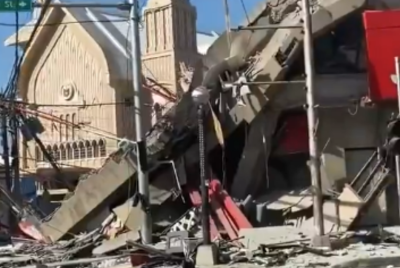
The first reports of casualties came from Maumere, a port town on Flores Island. Fathur Rahman, head of the city's rescue agency, said teams had found 20 people dead and six injured, while two others were trapped beneath rubble.
The governor of East Nusa Tenggara, Emanuel Melkiades Laka Lena, said at least five people had died after structures collapsed while they slept. The full scale of the destruction remained unclear, however, because several affected districts had yet to be reached.
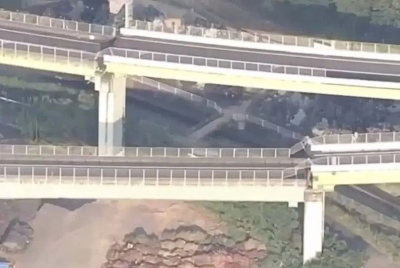
Road access to Nagekeo was blocked by landslides, Fathur said, forcing one rescue team to consider travelling by ferry. Damage had been reported to houses, warehouses and government facilities, while traffic congestion and power cuts further complicated the response.
Later assessments showed damage to hundreds of homes and dozens of public facilities, including schools and health facilities.
Suharyanto said people were still believed to be trapped inside buildings in several locations. 'These will be the initial targets of the disaster response teams,' he said, according to reporting from the press conference.
The delay is more than a logistical headache. In an earthquake, the first hours can determine whether people buried under collapsed buildings are found alive. Every blocked road, failed phone signal and damaged bridge narrows that window.
Tsunami Warning Lifted After Earthquake
The undersea earthquake prompted Indonesian authorities to issue a tsunami warning early on Saturday. Small tsunami waves were subsequently recorded in several areas, with later reports putting the highest at about 1.61 metres (5.3 feet), before authorities lifted the warning roughly three hours later.
Australia's tsunami warning centre said the earthquake posed 'no tsunami threat to the Australian mainland, islands or territories.' Even so, coastal residents in Indonesia moved away from the shoreline, and around 2,000 people evacuated affected areas, according to BNPB.
🚨 The earthquake in Indonesia was magnitude 7.7. For many people, the early morning began with disaster. 🇮🇩#Indonesia #Earthquake #BreakingNews #EarthquakeAlert pic.twitter.com/c4edaQnCEh
— Mahrosh Pervaiz (@MahroshPervaiz1) August 15, 2026
Videos from Maumere showed people running into the streets as buildings were damaged or collapsed during the shaking.
'The quake was massive, the shock was so strong, we were resting at home with family,' said Nona, a 51-year-old resident of Talibura. 'There were 13 of us inside the house and we all ran to save ourselves.'
That account captures the unnerving speed of the disaster. People were asleep or indoors when the shaking began, and some residents reported that it lasted for about a minute. At a hospital in Ende, patients were moved outside, according to footage broadcast by Kompas TV.
Authorities warned residents not to return to damaged buildings because continuing aftershocks could bring weakened structures down. More than 200 aftershocks were recorded as authorities continued monitoring seismic activity.
The same general area was hit by a devastating earthquake and tsunami in December 1992 that killed about 2,500 people on Flores Island. Indonesia sits along the Pacific Ring of Fire, where tectonic plates meet and generate frequent earthquakes and volcanic activity.
For now, the official numbers could continue to change as teams enter isolated communities and inspect damaged buildings. Rescue agencies are still trying to access communities cut off by landslides and damaged roads, while families wait for news from affected areas.
Blocked roads and landslides are now among the biggest obstacles standing between rescuers and people who may still be alive beneath the rubble.
© Copyright IBTimes 2026. All rights reserved.
- Recommended For You