Colombia's New President Faces First Crisis as 7.4-Magnitude Earthquake Kills 111
President de la Espriella's leadership tested as powerful quake strikes Colombia
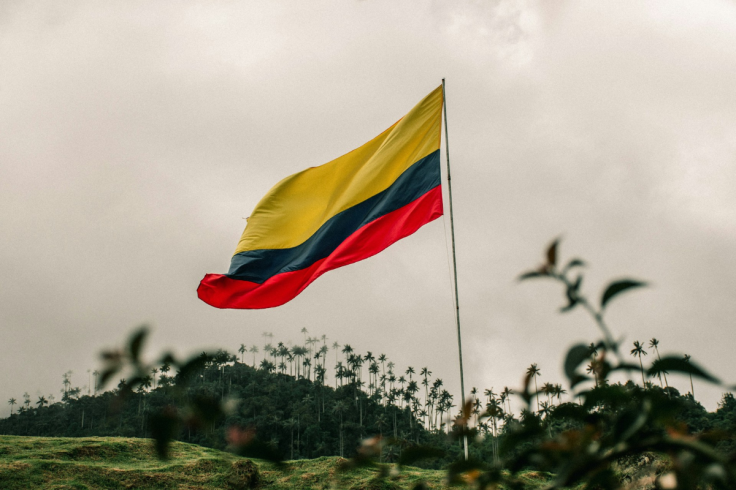
Colombia's newly inaugurated president is facing the first major test of his administration after a powerful 7.4-magnitude earthquake struck the country's Pacific region, killing at least 111 people and leaving thousands more unaccounted for.
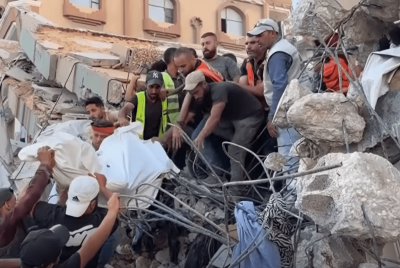
The earthquake struck on 10 August near San José del Palmar in the western department of Chocó, causing widespread destruction across several cities and communities. Rescue teams have been deployed to search for survivors trapped beneath collapsed buildings, while emergency crews continue assessing damage to roads, hospitals and critical infrastructure.
The disaster occurred just days after President Abelardo de la Espriella assumed office, thrusting the country's new leader into a national emergency that is likely to define the opening chapter of his presidency.
Manizales, Colombia. Terremoto. pic.twitter.com/BzKcaWIHm1
— Jupac (@Jupacg) August 10, 2026
Powerful Quake Devastates Western Colombia
The earthquake's epicentre was located in Chocó, a region known for its mountainous terrain and remote communities. Tremors were felt across large parts of Colombia and neighbouring Ecuador, prompting evacuations and widespread panic.
Authorities reported extensive structural damage in multiple municipalities, with residential buildings, public facilities and transport infrastructure among the hardest hit. Communications were disrupted in several areas, complicating efforts to assess the full scale of the disaster.
Emergency management officials said search-and-rescue operations remain ongoing, with hundreds of personnel deployed across affected regions.
The death toll is expected to remain fluid as rescue teams continue to reach isolated communities that were cut off following the quake.
Thousands Remain Missing
While authorities have confirmed at least 111 fatalities, concerns are growing over reports that thousands of people remain unaccounted for.
Emergency responders are racing against time to locate survivors beneath collapsed structures. Rescue operations have been complicated by damaged roads, landslides and interruptions to communication networks.
Officials have urged residents to remain alert for aftershocks, which could further destabilise damaged buildings and hinder recovery efforts.
The scale of the search operation has drawn support from emergency agencies across the country, while neighbouring nations and international organisations have expressed readiness to assist if required.
🇨🇴 UPDATE — Colombia's M7.4 earthquake has killed at least 111 people and injured 87, President Abelardo de la Espriella said Monday, Aug. 10, in the government's consolidated toll — figures officials stress are preliminary and rising. The SGC calls it the strongest quake to hit… pic.twitter.com/7nWHQYPWO2
— 🔥🗞The Informant (@theinformant_x) August 10, 2026
New President Thrust Into National Emergency
The disaster has quickly become the first major challenge confronting President de la Espriella, who was sworn into office only days before the earthquake struck.
Political analysts say the government's response will be closely scrutinised both domestically and internationally. Beyond the immediate rescue effort, the administration faces the complex task of coordinating recovery programmes, rebuilding damaged infrastructure and providing support to displaced families.
The earthquake has also forced the government to shift its focus from campaign promises and policy priorities towards emergency management and humanitarian relief.
In a statement following the disaster, national authorities pledged to mobilise all available resources to support affected communities and accelerate rescue operations.
Recovery Expected To Take Months
Experts warn that recovery from the earthquake could take months, particularly in remote areas where access remains difficult.
Damage assessments are still underway, but early reports indicate that homes, schools, healthcare facilities and transport links have been severely affected. The economic impact is also expected to be significant, with local businesses and public services facing prolonged disruption.
As rescue workers continue searching for survivors, attention is beginning to turn towards the long-term challenge of reconstruction.
For Colombia, the earthquake represents one of the country's most devastating natural disasters in recent years. For its new president, it has become an early and defining test of leadership, with millions of Colombians looking to the government for reassurance, support and a path towards recovery.
© Copyright IBTimes 2026. All rights reserved.
- Recommended For You