

Next Wins Equal Pay Appeal Allowing Warehouse Staff Higher Basic Pay Than Shop Workers for Work of Equal Value
Employment Appeal Tribunal justifies higher warehouse pay due to recruitment needs
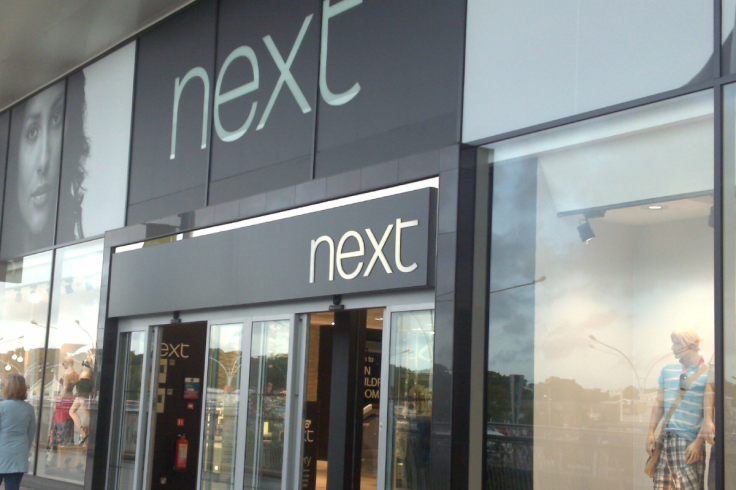
Next has won a significant appeal upholding its payment of higher basic hourly wages to warehouse employees than to shop workers, despite an earlier finding that the two groups perform work of equal value.
The Employment Appeal Tribunal ruled that the retailer's need to recruit and retain warehouse staff provided a lawful business justification for the basic-pay difference.
However, the judgment did not give Next a complete victory. Findings concerning night-time and overtime premiums and paid rest breaks remain in favour of store workers, while a dispute over Sunday premiums requires further consideration.
Why Next Won the Basic-Pay Appeal
The case was brought by 3,540 retail sales consultants employed in Next shops. The claimants compared their pay with that of warehouse operatives, who generally received higher basic hourly rates.
In 2023, the Leeds Employment Tribunal found that the shop workers performed work of equal value and ruled in 2024 that the pay structure placed women at a particular disadvantage. It rejected Next's attempt to justify the basic-pay gap.
The Employment Appeal Tribunal has now overturned that conclusion on basic pay.
According to the official judgment, warehouse operations faced recruitment pressures that did not exist to the same extent in the market for sales consultants. Next argued that it paid the rates needed to attract and retain warehouse employees rather than setting wages according to gender.
The appeal tribunal concluded that the earlier tribunal had focused too heavily on whether Next could afford to raise shop workers' pay. It found that Next had paid warehouse staff what was required for 'sound business reasons, and no more'.
The decision indicates that employers may be able to justify different rates for work of equal value when they can demonstrate genuine labour-market pressures and show that the difference is proportionate.
What the Judgment Did Not Overturn
The ruling does not reverse the finding that the shop and warehouse roles were of equal value. Next did not appeal that conclusion, which remains binding.
The tribunal also rejected Next's challenge to the finding that its pay practices placed women at a particular disadvantage. However, it upheld the higher basic warehouse rate because the disparity was objectively justified by recruitment and retention needs.
The appeal tribunal left intact findings concerning lower night-time and overtime premiums and unpaid rest breaks for store workers. The question of Sunday premium payments will return to the Employment Tribunal.
The claimants' cross-appeal was also dismissed. The tribunal found no error in the earlier conclusion that Next had not directly discriminated against workers because of their sex.
Thousands of Next Workers Could Be Affected
Leigh Day, which represents the claimants, said more than 6,000 current and former employees are now involved in the litigation. The firm intends to challenge the ruling on basic hourly pay.
Next describes the decision as an important victory but continues to contest other findings in the case.
The judgment could affect other large retailers facing claims from predominantly female shop workers seeking pay comparable with warehouse employees. However, each employer would still need to prove that any pay difference was based on a legitimate reason and was a proportionate way of meeting a genuine business need.
Further proceedings will determine the remaining issues and the practical consequences for Next and its workers.
© Copyright IBTimes 2026. All rights reserved.