

Turning Point UK CEO Caught on Camera Discussing Paid Beatings, Stabbings, and Killings
Jack Ross denies the allegations after his Conservative Party membership was suspended pending an internal investigation
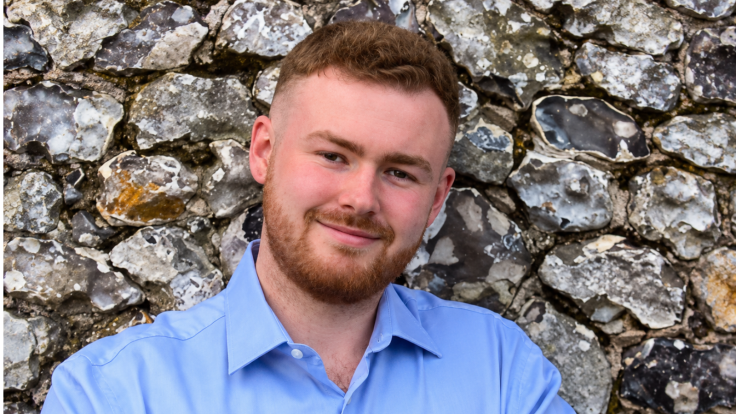
A political organisation's responsibility for the conduct of its senior figures is under scrutiny after footage emerged of Turning Point UK chief executive Jack Ross discussing violent attacks with an undercover reporter.
The recordings also show Ross introducing the reporter to Allan Nesbitt, a convicted criminal whom the investigation linked to the Ulster Volunteer Force (UVF), a proscribed loyalist paramilitary organisation.
Ross's Conservative Party membership has been suspended while the party investigates. Police Scotland has said it will review the documentary for possible criminality, but no conclusion about criminal liability should be drawn from the footage alone.
Conservative Party Suspends Ross
The Conservative Party suspended Ross's membership with immediate effect after the footage was released in October 2026. Ross stood as a Conservative candidate in 2023 and is the chief executive of Turning Point UK (TPUK), an independent offshoot of the US activist group Turning Point USA.
In the recordings, Ross discusses different forms of violence that Nesbitt and his contacts could allegedly arrange for payment, including beatings, facial injuries, stabbings, shootings, and killings. Ross has denied the investigation's findings, saying his remarks to the undercover reporter were not meant seriously.
The party has said the suspension remains in place pending an internal investigation. The recordings have prompted questions about Ross's conduct, but a party suspension is a disciplinary measure, not a criminal finding.
Undercover Meetings Raise Questions About Intent
The undercover operation began in 2021, when a reporter joined TPUK. Ross later introduced the reporter to Nesbitt, who is from Glasgow, Scotland. In a separate meeting at a London hotel, Nesbitt reportedly said he could arrange the killing of a fictional business rival through his paramilitary connections. The scenario was devised by the undercover reporter to test the claims made about the availability of paid violence.
During a subsequent video call, Nesbitt displayed firearms and live ammunition, according to the investigation. The footage also shows Ross agreeing to pay Nesbitt thousands of pounds to stage a fake political rally supporting the lifting of UK sanctions against Zimbabwe. The proposed event was presented as a political demonstration, rather than a genuine expression of public support.
The Significance of the UVF Connection
The UVF was a loyalist paramilitary organisation involved in killings and other violence during Northern Ireland's Troubles. The conflict, which intensified in the late 1960s, involved competing political and national identities, including whether Northern Ireland should remain part of the United Kingdom or join a united Ireland.
The Good Friday Agreement of 1998 was a major step towards ending the conflict, although paramilitary-linked criminal activity has remained a concern. Security specialists have warned that links between violent networks and political activists can create risks beyond conventional protest activity.
In this case, the central question is whether the reported contacts reflect more than association and rhetoric, and whether any conduct crossed a legal threshold. However, an individual's alleged connections do not, by themselves, establish that a political organisation authorised or supported criminal activity.
Police Review Leaves Key Questions Open
Police Scotland has said it is aware of the documentary and will review and assess it for possible criminality. That statement does not confirm that charges have been brought or that a criminal offence has been established.
The outstanding questions include the context and intent behind Ross's remarks, the nature of his relationship with Nesbitt, and whether any proposed arrangements went beyond discussion. Responses from the individuals and organisations involved will be important to establishing the full picture.
The case highlights the need to distinguish political accountability from criminal liability. Ross faces scrutiny over what was recorded, but any legal conclusion must depend on evidence assessed by the relevant authorities.
© Copyright IBTimes 2026. All rights reserved.