Piddington Residents Vote To Leave UK in Furious Rejection of Plan To House 1,256 Asylum Seekers
The symbolic referendum has no legal effect, but residents say the proposed site lacks safe pedestrian access and could strain local services
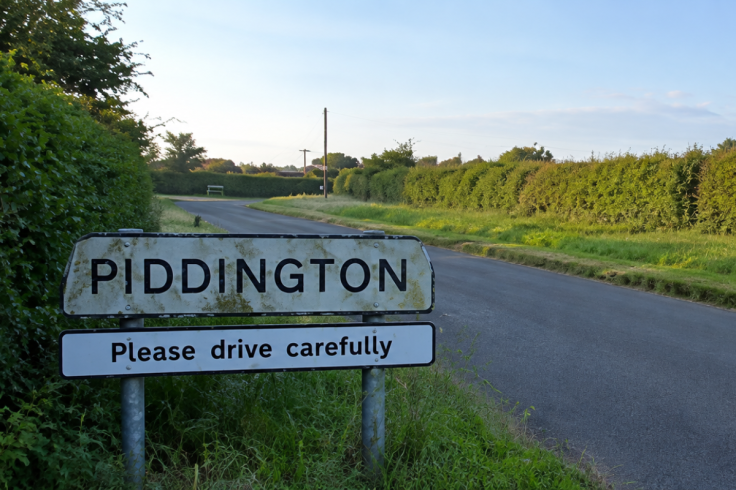
Piddington, a sleepy Oxfordshire village, held a referendum to leave the UK over asylum housing.
— LBC (@LBC) September 16, 2026
The results are in. pic.twitter.com/P8Yhyip7K0
Residents in the Oxfordshire village of Piddington have voted by 285 to 26 in a symbolic referendum to 'declare independence' from the UK, in protest at government plans to house up to 1,256 male asylum seekers at a former Ministry of Defence site near Bicester.
The vote has no legal effect and does not change Piddington's status as part of the UK.
The referendum, organised by Piddington Parish Council, saw one ballot paper spoiled and turnout of almost 92 per cent. A self-styled returning officer announced the result on Wednesday morning to residents and dozens of journalists gathered outside the village hall.
Villagers Warn Over Safety and Strain on Local Services
Campaigner Mike Nixon argued that the proposed site has limited pedestrian access, with the nearest footpath around 1¼ miles away along a busy, unlit road. The government's own travel plan reportedly describes pedestrian access as 'limited' and advises against travelling on foot.
Residents have raised concerns about how people would safely travel to and from the site given this limited infrastructure, and about whether local services and transport arrangements are adequate for a development of this scale.
Oxfordshire County Council leader Tim Bearder said the proposed site was unsuitable for both the local community and asylum seekers, telling BBC Radio 4's Today programme he had concerns about the government's handling of the plan.
Ministers Stand by Asylum Accommodation Strategy
The vote comes as ministers seek to reduce the use of hotels for asylum accommodation and move people into alternative sites, including former military facilities, as part of efforts to cut costs. The Home Office has said that closing asylum hotels is expected to save taxpayers more than £1 billion and that it is working to house asylum seekers 'fairly' across the country.
A Home Office spokesperson said officials engage with local authorities and police forces to consider safety and security when selecting sites.
Culture and media minister Lisa Nandy said the government's approach was intended to spread the responsibility for asylum accommodation across the country rather than concentrating it in poorer areas. Her comments reflected the government's broader argument that wealthier and more rural areas should not be exempt from hosting sites while other communities do so.
The government has rejected the idea that Piddington can opt out of the national asylum accommodation system.
Piddington Row Mirrors National Asylum Flashpoints
The dispute in Piddington comes against a backdrop of wider tensions over asylum accommodation across the country, including several nights of disorder in Thetford, Norfolk, in August, which reporting has linked to the involvement of far-right activists and the amplification of tensions on social media.
Terry Jermy, Labour MP for South West Norfolk, has criticised what he described as a lack of Home Office engagement over site selection there, and has raised concerns that cheaper, working-class areas are being disproportionately used to house asylum seekers.
Piddington residents say their situation echoes those concerns, and have continued to press for reassurances over infrastructure and transport before any final decision is made on the site near Bicester.
The government says reducing reliance on hotels and moving people into alternative accommodation, including former military sites, is necessary to cut costs and manage the asylum backlog. Piddington residents, meanwhile, say they intend to keep pressing their objections through official planning channels, despite the referendum result having no binding effect on the outcome.
A final decision on the Bicester site is expected in the coming weeks.
© Copyright IBTimes 2026. All rights reserved.
- Recommended For You