

Angela Rayner Jokes About Stocking Up on Wine and Mascara as Britons Urged to Prepare for 72-Hour Emergency
The Government recommends water, food, medicines and power supplies, while ministers' unconventional answers have brought humour to the preparedness message
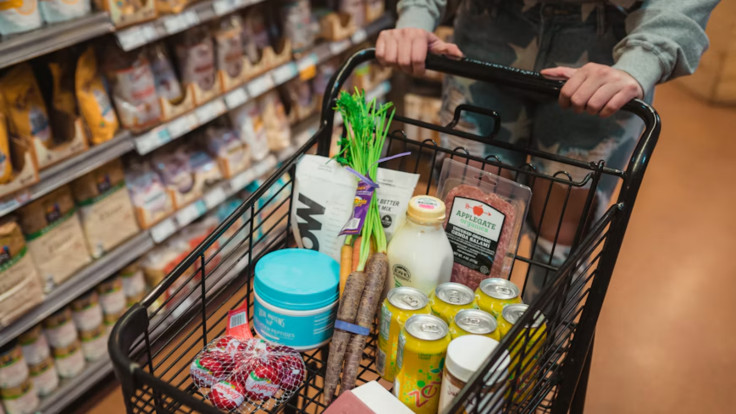
Britons are being urged to prepare for three days of disruption under the Government's 'Be Ready' campaign. Yet Housing Secretary Angela Rayner's idea of an emergency kit, including mascara, concealer and Sauvignon Blanc, has attracted attention for being rather different from the official checklist.
Launched on 22 October 2026, the campaign encourages households to prepare for interruptions to essential services, including electricity, water, phones and the internet. The Government recommends bottled water, non-perishable food, a torch, spare batteries, a radio, a power bank, cash and essential medicines. It is the first stage of a three-year preparedness campaign.
Rayner made her light-hearted remarks earlier in October, before the campaign's launch. Asked what she would put in an emergency box, she named make-up and wine, alongside more conventional food supplies such as baked beans and custard.
Prime Minister Andy Burnham was less enthusiastic about putting alcohol on the public's emergency checklist.
'I'm not sure that that's the top of the list in terms of the advice that we're giving to the public,' he said on 23 October. 'You need to have a clear head when it comes to a challenging situation.'
Burnham recommended keeping tins of food and bottled water at home, although he admitted he would struggle to go too long without Twiglets.
The unusual choices have brought a lighter tone to an otherwise serious public preparedness campaign, which asks households to consider how they would cope if everyday services suddenly became unavailable.
Why Britons Are Being Told to Prepare for 72 Hours
The Government's advice is intended to help households manage temporary emergencies, including severe weather and disruption to critical infrastructure. Rather than encouraging panic-buying, the campaign recommends checking what is already available at home and gradually building up supplies.
Under the official checklist, households are advised to keep three days' worth of drinking water, allowing three litres per person per day, alongside non-perishable food that does not require refrigeration or cooking. Additional water may be needed for washing and food preparation.
Households are also encouraged to consider the needs of children, older relatives, neighbours and pets. Other recommendations include signing up to the Priority Services Register where eligible, keeping important telephone numbers on paper and making plans for emergencies that could interrupt communications.
The campaign comes amid growing interest in emergency preparedness. According to The Wall Street Journal, retailers specialising in survival supplies have reported demand for freeze-dried food, wind-up radios and water-purification equipment.
Josh Pringle, of emergency-supplies retailer Sgt. Prepper's, discussed customers seeking practical equipment, while Leigh Price, an army veteran who runs the Bug Out survival shop in central Wales, described increased interest since the Covid-19 pandemic and Russia's invasion of Ukraine.
From Baked Beans to Wine: What Ministers Would Keep in Their Emergency Kits
Not all ministers appear to have followed the official advice themselves.
Treasury minister James Murray admitted during a BBC interview that he had plenty of coffee at home but had not yet followed all the Government's recommendations.
'I'm not going to pretend I've followed all that advice myself yet,' he said.
Rayner, meanwhile, subsequently clarified that she would prioritise water over wine, although Sauvignon Blanc would remain on her personal list.
'I think most people get that I'd choose the water before the wine,' she said. 'But it's still there on my list.'
Burnham also sought to reassure households that the advice was about sensible preparation rather than panic-buying. He said people should keep enough supplies at home to manage a difficult situation, while stressing that the guidance was not an instruction to rush out and stockpile goods.
The contrast between the official recommendations and ministers' personal choices may have made the campaign more memorable, but the Government's message remains practical: households should be prepared for temporary disruption without feeling pressured to buy everything at once.
For Britons wondering what belongs in a 72-hour emergency kit, the essentials remain food, drinking water, medicines and reliable ways to stay informed. Wine, mascara and Twiglets are optional extras, not official recommendations.
© Copyright IBTimes 2026. All rights reserved.