

Income Tax Warning: Healey Keeps Thresholds Fixed Until 2030, Forcing More People Into Higher Bands
The OBR forecasts the proportion paying higher or additional rates will rise from 15% in 2021-22 to 24% by 2030-31 as earnings increase
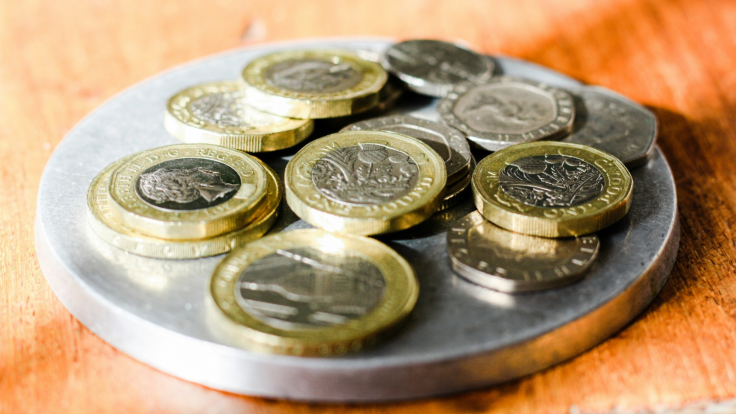
UK income tax thresholds will stay frozen until the end of the 2030-31 tax year, a move that the Office for Budget Responsibility (OBR) says will leave almost one in four taxpayers paying the higher or additional rate by then.
The freeze remains in place after John Healey's first Budget as chancellor. The OBR forecasts that the share of taxpayers paying the higher or additional rate will rise from 15 per cent in 2021-22 to 24 per cent in 2030-31.
Frozen thresholds are expected to contribute to that increase by bringing more income into higher bands as earnings rise in cash terms, rather than in real terms after inflation.
How Fiscal Drag Pulls More Earners Into Higher Tax
The policy is known as fiscal drag. As incomes rise, more people become liable for income tax or move into higher bands, even though headline rates stay the same. This happens automatically when thresholds do not move in line with prices or wages.
The personal allowance and higher-rate threshold have been frozen since the 2022-23 tax year, and successive governments have extended the freeze. The OBR says the allowance was also frozen for two years from April 2019, before rising in line with the Consumer Prices Index (CPI) in 2021-22.
Had both thresholds risen with inflation, the OBR estimates, the personal allowance would be £4,900 higher by 2030-31 and the higher-rate threshold £20,100 higher. In practice, that means more of each pay rise falls into the basic, higher or additional rate bands than would otherwise have been the case.
The effect on individuals varies. It depends on how their earnings change, whether they benefit from the full personal allowance and which rates and bands apply to their income. Compared with a world in which thresholds rise with inflation, however, people whose incomes increase can pay more tax over time as a result of the freeze.
Where Income Tax Bands Currently Begin
For 2026-27, the standard personal allowance is £12,570 across the UK. In England, Wales and Northern Ireland, the basic rate of 20 per cent applies to taxable income up to £50,270. The higher rate of 40 per cent applies between £50,271 and £125,140, and the additional rate of 45 per cent above that.
Scotland sets its own rates and bands for non-savings and non-dividend income, so Scottish taxpayers face a different structure from the rest of the UK.
Moving into a higher band does not mean all income is taxed at the higher rate. Someone earning £60,000, receiving the full personal allowance and with no other relevant income, pays 40 per cent only on the £9,730 above £50,270. Earnings below that point are taxed at the basic rate, after the personal allowance has been taken into account.
The rules are more complex for higher earners. For taxpayers with adjusted net income above £100,000, the personal allowance is reduced by £1 for every £2 above that level, and it is withdrawn entirely at £125,140.
For those paying the 40 per cent rate, this produces an effective marginal income tax rate of 60 per cent across that range, before National Insurance and other effects.
The main income tax rates on employment income are unchanged. Separate changes to savings and property income are due from April 2027. The basic, higher and additional rates on savings income will rise to 24, 44 and 49 per cent respectively, according to Budget documents.
Separate increases will apply to property income in England, Wales and Northern Ireland, alongside the continued freeze in income tax thresholds.
© Copyright IBTimes 2026. All rights reserved.