

Who Qualifies for Trump's $500 Obamacare Refunds? 30-State List After White House Overcharge Claim
Payments are intended for people in 30 states who bought federal marketplace cover without premium assistance, with cheques expected to begin in October
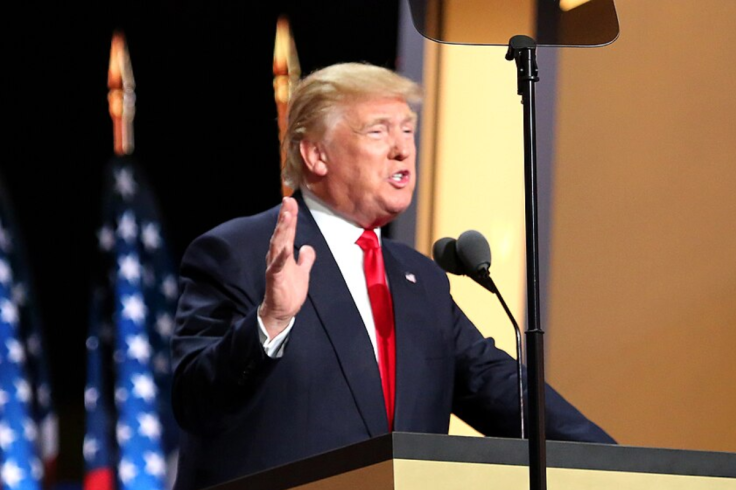
Obamacare refunds of about $500 (about £370) are set to go to nearly 1 million Americans in 30 states who paid full premiums with no federal help, President Donald Trump announced on Thursday. The White House said recipients must have bought coverage through the federal marketplace without receiving any federal premium assistance.
The administration says fees collected to operate the federal insurance exchange were passed on through higher premiums, raising more revenue than it says was needed to run the federal insurance marketplace. The refunds cover eligible residents in states using that exchange, with cheques due to start going out in October.
Who Is Eligible for Trump's Obamacare Refunds
The White House's eligibility criteria focus on how people paid for their Affordable Care Act (ACA) insurance and where they live. The announced refunds are intended for people in the 30 listed states who purchased coverage through the federal marketplace without receiving federal premium assistance.
People whose premiums were reduced by federal assistance are excluded from the announced payments. Living in a listed state is therefore only part of the test, even for someone who bought Obamacare insurance.
Under the announced criteria, a Florida resident who bought coverage through the federal marketplace without premium assistance could qualify.
The 30 States Included in Obamacare Refunds
The White House named Alabama, Alaska, Arizona, Arkansas, Delaware, Florida, Hawaii, Indiana, Iowa, Kansas, Louisiana, Michigan, Mississippi, Missouri and Montana.
The remaining states are Nebraska, New Hampshire, North Carolina, North Dakota, Ohio, Oklahoma, Oregon, South Carolina, South Dakota, Tennessee, Texas, Utah, West Virginia, Wisconsin and Wyoming.
Their common link is the federal exchange used for their Obamacare markets, including the HealthCare.gov website. The announcement limits the intended group to federal marketplace customers in those states who did not receive federal premium assistance.
President Donald J. Trump announces $500 rebate checks to nearly 1 million hardworking Americans who were wrongly overcharged through Obamacare.
— The White House (@WhiteHouse) September 10, 2026
"Our Administration is doing the right thing and giving the money back to the people who were wrongly ripped off." pic.twitter.com/XWA1wlzRH8
Why the White House Is Offering Obamacare Refunds
Administration officials said funding would be drawn from fees used to run the ACA's federal insurance exchange. According to the White House fact sheet, these 'user fees' brought in more revenue than was needed to operate the federal insurance exchange.
The White House says consumers ultimately paid those charges through higher premiums. That is the basis of its overcharge claim and its decision to direct refunds to people who paid for their coverage without premium support.
'Our administration is doing the right thing and giving the money back to the people who were wrongly ripped off,' Trump said.
The fact sheet described the cost borne by those consumers as 'Biden's premium tax', the administration's wording for the exchange charges.
The White House's X account also publicised the rebate announcement and repeated Trump's statement.
Its post described nearly 1 million Americans as having been wrongly overcharged through Obamacare, matching the administration's explanation that consumers would be receiving money back.
October Start for Obamacare Refunds
The White House says the payment will be about $500 (about £370) per eligible recipient. Its estimate of nearly 1 million people describes the expected refund group across the 30 states.
The White House's 10 September fact sheet does not specify the qualifying coverage period, whether an application will be required or a deadline for completing the payments.
Cheques are scheduled to start being sent in October, placing the announced rollout ahead of November's midterm elections. The details provided do not specify a date by which every eligible recipient will have received a payment.
© Copyright IBTimes 2026. All rights reserved.