

Sam Altman Admits He Was 'Wrong' About AI, Says the Industry Made It Seem 'Scary'
AI has advanced rapidly, but businesses remain slow to adapt due to existing systems and habits

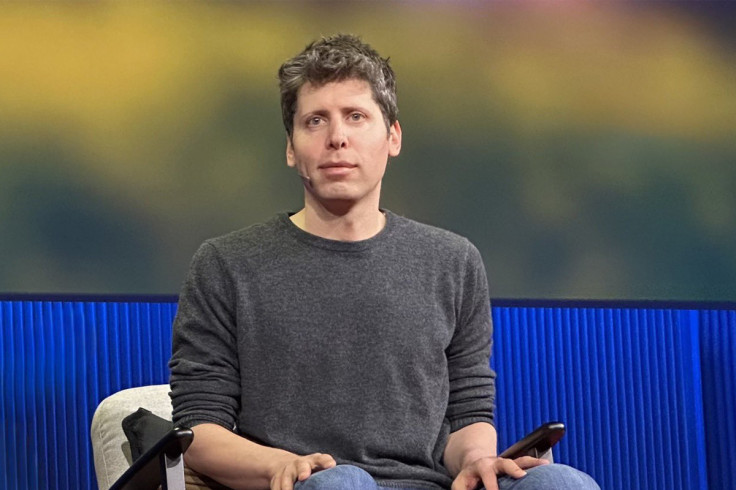
Sam Altman has spent years at the centre of the artificial intelligence boom. His company, OpenAI, helped push generative AI into everyday life through ChatGPT. But Altman has now acknowledged that he got some of his predictions wrong.
Speaking on the Sam Altman Podcast about 'Building OpenAI & Betting on the Impossible,' the OpenAI chief executive said he expected AI to disrupt the software industry much faster afterGPT-4's 2023 release.
Instead, many people and companies continued using familiar tools, established businesses and existing systems. Altman also said the AI industry had failed to explain the technology clearly. He argued that some warnings from people developing AI had made the technology appear frightening to the public. His comments provide an assessment from one of the technology industry's most influential executives as the sector faces questions about adoption, trust, and the pace of economic change.
Altman Says He Was Wrong About AI Disruption
Altman said he expected GPT-4 to trigger faster disruption after its release in 2023. He believed AI could make the software industry more competitive by giving new companies the ability to challenge established firms. But that change did not happen as quickly as he predicted. Businesses and consumers continued relying heavily on established products, services, and systems. Altman described the economy as having significant inertia and acknowledged that he had underestimated how difficult it would be to change existing behaviour.
His explanation was not that AI had stopped advancing. Instead, he pointed to the slow pace at which organisations change systems and habits. Companies may have access to powerful new technology, but replacing existing software can be expensive and disruptive. Workers and consumers may also prefer products they already understand. The slower pace of adoption could point to a more gradual economic transition rather than an immediate economic shock.
Why Altman Says AI Was Made to Look 'Scary'
Altman also addressed how the industry has communicated AI's potential risks. He said technology companies and AI researchers had sometimes warned about extreme dangers while simultaneously developing increasingly powerful systems. Public discussion has included concerns about existential risks, job losses, misinformation, privacy, and security. According to Altman, this focus on potential dangers may have made AI appear more frightening than beneficial to the public.
He argued that the industry had not done enough to explain what AI could offer or how its risks could be managed. At the same time, companies have promoted AI's potential to assist with scientific research, software development, and other forms of work. Altman said there had been too little focus on how AI could give people greater capabilities and freedom.
AI Adoption Has Moved More Slowly
Altman's comments also highlight a broader reality: technological progress does not automatically translate into immediate changes in human behaviour. People can adopt AI tools while continuing to rely heavily on older systems. Businesses may experiment with new technology without replacing the processes that underpin their operations.
That helps explain why widespread awareness of AI has not necessarily translated into the immediate economic disruption Altman once expected. The industry is still investing heavily in computing infrastructure, data centres and increasingly capable models.
The challenge is turning technological progress into lasting changes in how businesses operate. ChatGPT and similar services have become widely used for writing, research, coding, and other tasks. Yet popularity alone does not guarantee rapid disruption across the wider economy.
A Different Challenge for the AI Industry
Altman remains confident about AI's long-term importance. But his remarks suggest that developing more powerful models is only part of the challenge. The industry must also convince people that AI is useful, understandable, and manageable. That means addressing concerns about employment, privacy, misinformation, and safety while clearly explaining the potential benefits.
Altman's admission that he misjudged the speed of disruption is notable because the AI industry has often been associated with predictions of rapid change. AI has already brought significant changes to the technology sector. But the wider economy is moving more slowly than Altman expected. His latest comments suggest that the pace of change may depend not only on how quickly AI improves, but also on how quickly businesses and consumers adapt to it.
© Copyright IBTimes 2026. All rights reserved.