Scotland Independence Push Hit by Stormont Row as O'Neill Accused of 'Weaponising' First Minister Role
O'Neill will meet John Swinney and Rhun ap Iorwerth as party leaders amid a dispute over her Stormont title
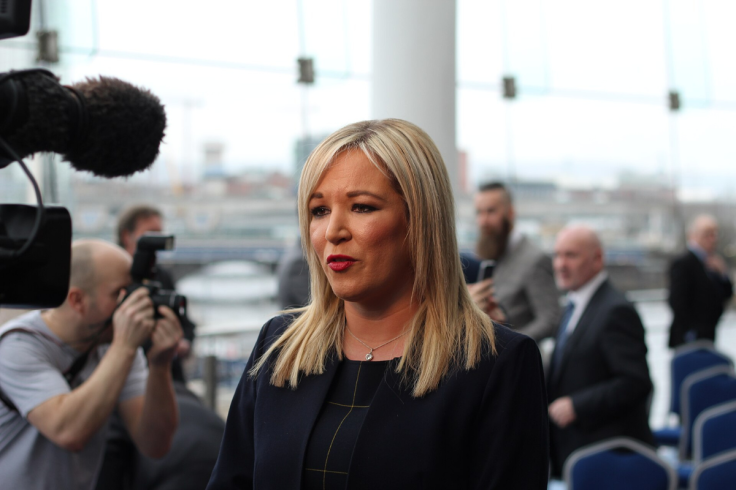
A row at Stormont over Michelle O'Neill's planned visit to Cardiff has spilled into Scotland's independence debate, after Deputy First Minister Emma Little-Pengelly accused her of trying to 'weaponise the role of First Minister'.
O'Neill is due to meet Scottish First Minister John Swinney and Welsh First Minister Rhun ap Iorwerth in Cardiff on Monday. The three will attend as party leaders rather than as formal representatives of their devolved governments.
Stormont Row Focuses on O'Neill's Title
The Cardiff summit will bring together Sinn Féin, the Scottish National Party and Plaid Cymru. Sinn Féin president Mary Lou McDonald will also attend. The leaders plan to sign a memorandum on constitutional change. It will support democratic routes to self-determination across the three nations.
Little-Pengelly said O'Neill had not sought her agreement to attend as First Minister. She also objected to O'Neill signing a declaration under that title. The Democratic Unionist Party politician said Stormont's leadership posts form a joint office. She argued that O'Neill could not represent that office without agreement.
Northern Ireland's First Minister and deputy First Minister share responsibility for the Executive Office.
The Northern Ireland Assembly treats the posts as equal in authority. Ulster Unionist Party MLA John Stewart also challenged O'Neill's position.
He said she could speak for Sinn Féin but not for Northern Ireland on the constitutional issue.
Sinn Féin defended the meeting. A party source said it would discuss cooperation between the parties.
It would also address each nation's right to determine its future. Northern Ireland already has a legal route to constitutional change. Schedule 1 of the Northern Ireland Act 1998 sets out the process for a border poll.
The Secretary of State must call a poll if a majority for Irish unity appears likely. Scotland follows a different constitutional process.
Scotland Faces a Different Legal Barrier
Scotland has no equal statutory route to an independence vote. The UK Supreme Court ruled in 2022 that Holyrood could not legislate for another referendum without Westminster's consent. The court found that the proposed vote concerned reserved matters. These include the Union and the UK Parliament.
Swinney has renewed pressure on Westminster since May's Scottish Parliament election. His government continues to seek powers for another independence referendum.
On 28 August, the Scottish Government published a draft Independence Referendum Bill. It keeps the 2014 question: 'Should Scotland be an independent country?' The government says it will introduce the bill only after Holyrood secures the required powers. Ministers have not set a referendum date.
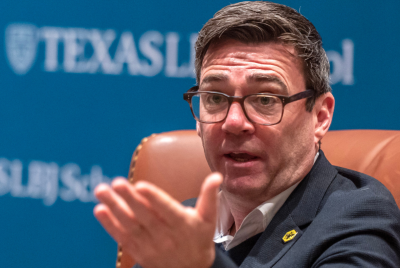
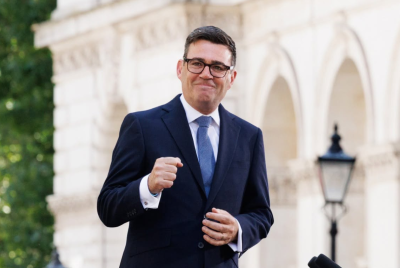
The issue gained fresh attention during Prime Minister's Questions. Prime Minister Andy Burnham discussed the level of public support needed for another constitutional vote. Burnham compared Scotland's position with Northern Ireland. He said another vote could follow if a 'clear consensus' emerged.
Swinney wrote to Burnham on 10 September. He asked for talks on a legal route to a future Scottish referendum. Burnham had taken a firmer position in July. Downing Street said another independence referendum remained 'off limits' after their Glasgow meeting.
A separate Scotland (Independence Referendum) Bill is before the UK Parliament. The Private Members' Bill seeks to give Holyrood referendum powers. MPs introduced the bill on 22 June. Parliament has scheduled its next stage for November.
The Cardiff memorandum will not change Scotland's legal position. It will set out the shared position of the three pro-independence parties. Little-Pengelly's intervention has put O'Neill's Stormont title at the centre of the row. The dispute now focuses on whether she can use that office while supporting constitutional change.
© Copyright IBTimes 2026. All rights reserved.
- Recommended For You