

SpaceX's Spectrum Deal Could Improve Your Mobile Coverage, but One Hurdle Remains
The deal could improve indoor reception, but FCC approval and network deployment remain key challenges
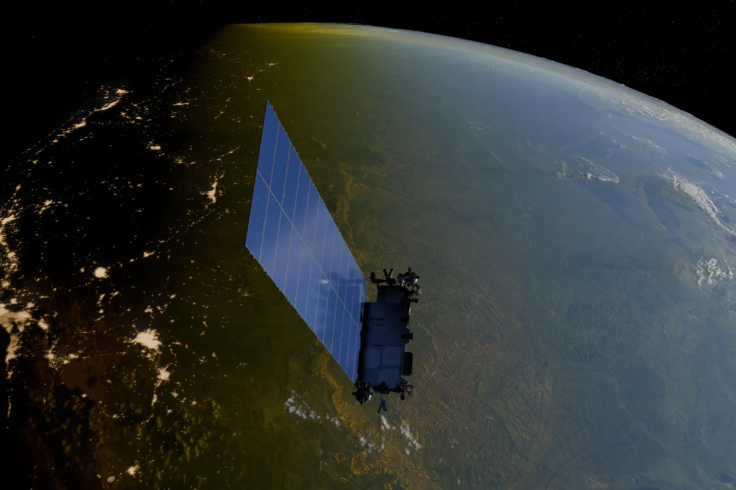
SpaceX is making a major push into the US mobile market, but acquiring wireless spectrum is only the first step towards changing how Americans connect their phones. Its proposed purchase of Grain Management's nationwide 800 MHz portfolio could help Starlink Mobile reach devices in places where satellite signals struggle, including inside buildings.
The agreement, announced on 8 October, covers Grain's entire nationwide portfolio of 800 MHz spectrum licences. It remains subject to approval from the Federal Communications Commission (FCC), meaning consumers cannot yet assume they will receive stronger signals or more reliable indoor coverage.
The more significant question is whether SpaceX can turn its satellite network into a credible alternative to conventional mobile providers without relying entirely on their existing infrastructure.
Why the 800 MHz Spectrum Matters
The new spectrum could address a weakness in satellite-to-phone connectivity: maintaining a signal when physical obstacles interfere with reception. Lower-frequency radio waves generally travel further and penetrate buildings and tree cover more effectively than higher-frequency signals. SpaceX intends to combine the 800 MHz spectrum with its existing 2 GHz mid-band capacity, which is designed to support higher data throughput.
According to Grain Management's announcement, the transaction is intended to support satellite direct-to-device services, connecting customers through both ground-based and space-based networks.
That combination could help Starlink Mobile expand beyond its role in filling connectivity gaps. However, access to spectrum does not automatically guarantee that a phone will connect reliably in every building or remote location.
The Infrastructure Challenge Behind Better Coverage
The spectrum purchase is not the same as completing a nationwide mobile network. SpaceX will still need to deploy the infrastructure required to use the frequencies effectively, obtain the necessary regulatory clearances, and demonstrate that its service can deliver consistent performance.
The FCC has separately authorised SpaceX's next-generation Starlink Mobile constellation, allowing the company to launch 15,000 satellites. The additional satellites are intended to expand capacity for direct-to-device connectivity, but they do not remove the need to develop the wider network.
Existing handset compatibility could make the service more accessible than a system requiring customers to buy dedicated satellite phones. However, supporting a frequency band alone does not guarantee that a particular device will work with a new service. Network compatibility, equipment configuration, and service availability will also matter.
For consumers, the practical test will be whether the service works reliably where existing mobile networks struggle, rather than simply whether SpaceX owns more spectrum.
Established Carriers Face a New Competitive Threat
The proposed acquisition also raises the stakes for Verizon, AT&T, and T-Mobile. SpaceX is positioning Starlink Mobile to compete more directly in a market traditionally dominated by terrestrial networks, rather than functioning only as a supplement to existing mobile services.
Shares in all three carriers fell by around 6% in extended trading following the announcement, according to market reporting. The reaction reflects investor concern about the competitive implications, although it does not establish that the acquisition alone caused the declines.
Greater competition could eventually give consumers more choices, particularly in areas where coverage is poor. But there is no confirmed timetable for a nationwide service based on the newly acquired spectrum, and SpaceX has not announced pricing for such an offering.
The companies have not disclosed the transaction's financial terms. The Wall Street Journal reported a price of approximately $8 billion (£6.0 billion), but that figure has not been confirmed by the parties.
FCC Approval Will Determine the Next Step
The deal must clear the FCC before the spectrum transfer can proceed. The regulator's decision will be important not only for SpaceX's plans but also for how satellite and terrestrial mobile networks develop in the US.
The FCC has previously identified the potential for direct-to-device services to expand coverage in hard-to-reach areas and increase competition in wireless services. Those benefits remain dependent on deployment, technical performance, and the conditions attached to regulatory approvals.
For now, SpaceX has secured an agreement that could strengthen its mobile ambitions, not a guarantee of better reception for every customer. Whether the deal changes everyday connectivity will depend on how quickly the company can turn its spectrum rights and satellite capacity into a reliable service.
© Copyright IBTimes 2026. All rights reserved.