

Amazon Prime FTC Settlement Refund: How Eligible US Customers Can Claim $51 Before July 27
A case about dark patterns and stubborn subscriptions has left Amazon Prime facing not just a multibillion‑dollar reckoning, but a quiet test of how much control customers really have over the services that shape their online lives.

Amazon Prime users in the US who believe they were signed up or kept in the service without fully agreeing to it have until 27 July 2026 to claim refunds of up to $51, under a $2.5 billion settlement between Amazon and the Federal Trade Commission (FTC). The refund window applies to Amazon Prime customers who meet specific eligibility rules and who have not already received an automatic payment, according to the official settlement terms.
The claims process stems from a high‑profile FTC lawsuit accusing Amazon of using 'manipulative, coercive or deceptive' design choices to push shoppers into Amazon Prime subscriptions and then discourage them from cancelling. In September 2025, Amazon agreed to resolve the case by funding a $1.5 billion consumer refund pool and paying a separate $1 billion civil penalty, while explicitly denying any wrongdoing. The settlement also forces the company to clean up how Amazon Prime is marketed and cancelled, a quiet but important change to how millions of people interact with one of the world's biggest online platforms.
Who Can Claim Under the Amazon Prime Settlement
The rules for getting money back are narrower than many casual users might expect. To qualify, you must be a US Amazon Prime customer who either unintentionally enrolled in Prime or tried, and failed, to cancel via Amazon's online tools at some point between 23 June 2019 and 23 June 2025. The FTC's case focused on that six‑year span, arguing that Amazon's design choices during those years made it too easy to join and too awkward to leave.
The settlement zeroes in on several 'enrolment flows' that the FTC challenged. These include the universal Amazon Prime decision page, the shipping selection page, the single‑page checkout screen and the sign‑up process inside Prime Video. Amazon is responsible for determining, from its own records, whether a customer joined through one of those disputed routes.
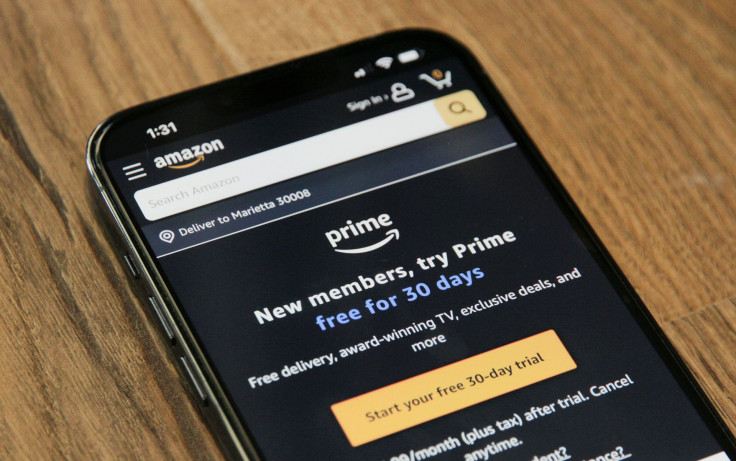
Eligibility is also tied to how much you actually used Amazon Prime. To file a claim, customers must have used more than three but fewer than ten Prime benefits during any 12‑month period of their membership. The thinking here seems fairly clear. Regulators appear to be drawing a line between users who treated Amazon Prime as an everyday service and those who barely touched it and might plausibly say they never meant to sign up or stay enrolled in the first place.
Anyone who has already received an automatic refund from the settlement fund is excluded from this claims process. The refund website warns that submitting a claim does not guarantee a payout, and that all statements made in the claim must be truthful.
How To File for an Amazon Prime Refund — And What To Expect
The FTC is directing people to submit claims only through the official settlement website, which it says is the sole legitimate channel. On that site, eligible Amazon Prime customers are asked to confirm that they either enrolled in Prime unintentionally or attempted to cancel online but were unsuccessful. They will also need to provide contact details and select how they want to be paid if their claim is approved.
The potential refund is capped at $51 per person and is tied to reimbursing Amazon Prime membership fees rather than purchases. Payments, which can be issued by cheque, PayPal or Venmo, are not expected to arrive quickly. According to the FTC, Amazon currently anticipates distributing claims‑process payments in late 2026, although no firm mailing date has been offered. Anyone filing now is, in effect, joining a long queue.
The FTC, which has made a habit of publicising consumer redress programmes, is also sounding the alarm about fraudsters trying to exploit the Amazon Prime settlement. Neither the agency nor Amazon will ever ask people to pay a fee to receive their refund, and no third party can guarantee approval or offer 'special access' to the money. Emails, texts or calls doing so are almost certainly scams, and regulators are urging people to ignore them.
Even with the settlement agreed and the refund fund in place, there is still a degree of ambiguity about how many customers will ultimately qualify, and how Amazon will apply its own records to individual cases. The company has not, in the documents summarised by the FTC, given a projection of how much of the $1.5 billion pot it expects to pay out through this manual claims route as opposed to automatic refunds.
What is not in dispute is that Amazon Prime sits at the heart of Amazon's business model, and the FTC has used this case to push the company toward more transparent, less sticky subscription practices. For people who suspect they were nudged into paying for Prime, the settlement offers a modest but tangible way to push back provided they navigate yet another online process, and do it before the 27 July 2026 deadline.
© Copyright IBTimes 2026. All rights reserved.