

Trump Moves To Deny Visas if Migrants' Relatives Are Labelled a 'Public Charge' Under Harsh New Rules
New immigration policy scrutinises family members' use of social services in visa applications
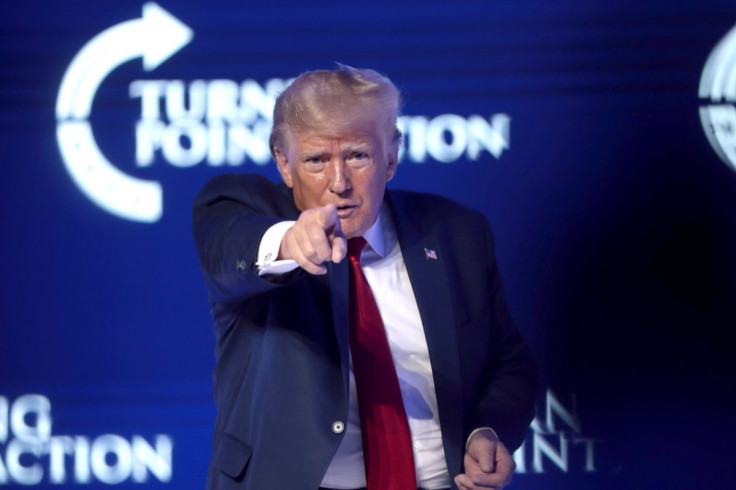
The Trump administration will move to deny visas and permanent residency applications if an immigrant has relatives who are considered a 'public charge', according to a fresh policy directive released on Tuesday by US Citizenship and Immigration Services.
For context, the measure expands immigration scrutiny by instructing federal adjudicators to examine whether an applicant's family members have utilised social service programmes while residing in the United States.
Under the previous regulatory framework introduced in 2022 during the Biden administration, determining whether an immigrant was primarily dependent on government care remained focused on individual circumstances. The new USCIS memo shifts that balance, allowing caseworkers to look beyond the individual and weigh the government assistance accessed by their dependents.
Key Factors Deciding If Officers Deny Visas
Under the updated memo, immigration officers are permitted to review all pertinent facts when determining whether an applicant is inadmissible on the grounds of becoming a public charge.
Rather than applying a single rigid test, adjudicators are allowed to evaluate five specific factors regarding the applicant, including their age, overall health, education, employment skills, and family status as it relates to their assets and broader financial resources.
In practical terms, this broader evaluation means a green card applicant could be turned down because a dependent relative relies on state aid, even if the applicant has never received government support themselves. The legal underpinning for this approach draws directly from the Immigration and Nationality Act.
According to analysis from the Center for Immigration Studies, the federal statute establishes that certain foreign nationals seeking a visa, initial admission, or an adjustment of status are inadmissible if they are deemed likely at any time to become a public charge.
Who Faces Scrutiny Under Strict Immigration Guidance
Defending the policy shift, the Trump administration framed the changes as a necessary fiscal protection.
USCIS spokesperson Zach Kahler argued in a July statement that the administration is upholding the rule of law and protecting American taxpayers from subsidizing aliens who may become dependent on public benefits. Kahler added that the agency remains firmly committed to safeguarding the safety, security, and financial well-being of the American public.
The updated guidance will not apply across the board. USCIS confirmed that several vulnerable groups are entirely exempt from public charge evaluations, including individuals granted asylum, refugees, human trafficking victims, and special immigrant juveniles.
However, the directive applies directly to standard family petitions and employment filings. Spouses, children, and parents of immigrants are all subject to the rules, alongside priority workers, investors, and members of the US armed forces.
Using Financial Bonds To Avoid Visa Denials
Even with tighter evaluations in place, the immigration framework does not entirely shut the door on applicants who might otherwise face inadmissibility. Federal officials will still retain the discretion to accept public charge bonds to resolve concerns over potential government dependency.
According to official agency notices, a public charge bond operates as a formal financial guarantee in which an individual or business pays a cash bond or posts a surety bond directly with USCIS.
If an applicant posts the bond in full compliance with the form instructions and official notice, an adjudicating officer may approve the adjustment of status. That approval grants the applicant lawful permanent residency, ensuring they can legally remain in the United States.
© Copyright IBTimes 2026. All rights reserved.