Donald Trump Dismisses AI Doomsday Warnings as a Hoax While UK Minister Louise Haigh Urges Caution
The US president says AI and data centres could surpass oil in economic importance, rejecting calls from industry figures and experts for stronger safeguards
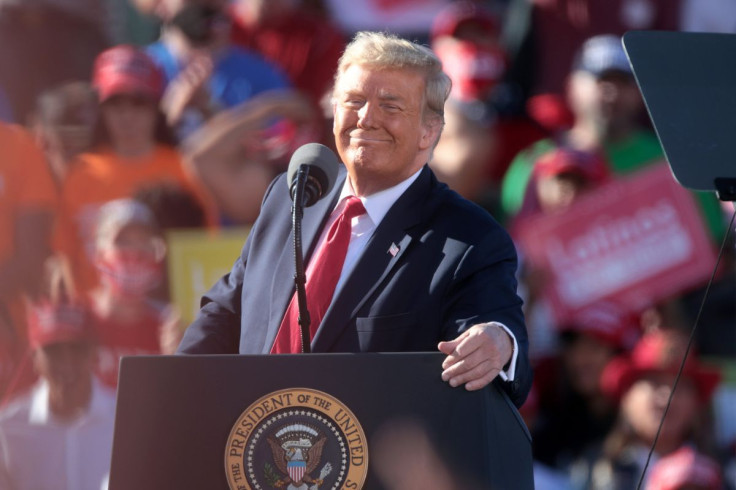
Donald Trump has dismissed warnings that artificial intelligence could destroy humanity as 'a hoax', arguing in a Truth Social post that AI and the data centres powering it could become bigger than oil.
Asserting that AI and its supporting data infrastructure will become the greatest economic development engine in history, Trump argued that the technology will ultimately surpass oil, gold, diamonds, and the internet.
The outspoken remarks come as the administration pushes back fiercely against calls from prominent tech executives for tighter regulatory guardrails.
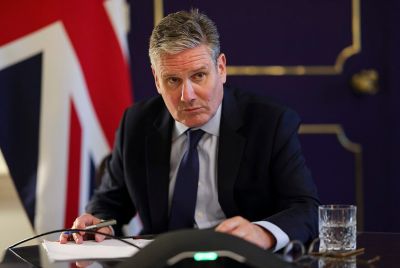
In stark contrast, British First Secretary of State Louise Haigh prepared to address the Trades Union Congress in Brighton, emphasising that the government must heed expert warnings about the profound risks of unbridled artificial intelligence development.
The widening policy chasm highlights an intense global debate over how nations should balance rapid technological innovation against public safety, national security, and worker protections.
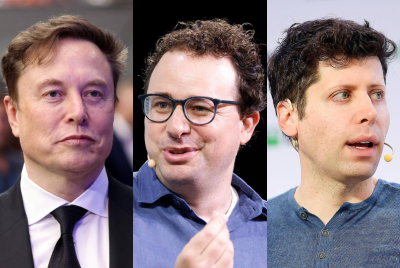
Senior executives and staff at AI companies have called for greater regulation before the technology gets out of control.
Trump Casts AI Risk as Another Hoax
Trump questioned why technology leaders would seek rules that could harm their own businesses. 'Concerning AI, when, in the History of Business, did anyone see the Leaders of an Industry call for Regulation that, if strongly implemented, will drive them into oblivion and bankruptcy?' he wrote.
He then grouped warnings about AI with political controversies he has previously characterised as scams. 'AI taking over the World, destroying Humanity, and all other things bad, is a HOAX,' Trump said.
The post does not resolve the obvious tension in his argument. Industry figures are asking for restraints on the technology they are helping to develop, while Trump treats that request as a reason to doubt their warnings.
Trump Pitches AI and Data Centres Above Oil
Trump's economic prediction was sweeping. He said 'AI, and Data Centers, will be the Greatest Economic Development Engine in History', adding that they would be 'Bigger than Oil, Gold, Diamonds, or even the Internet'.
The president also invoked competition with China. He claimed President Xi 'will be doing absolutely nothing to stand in the way of AI, or its future' and argued that America should follow the same course.
It is a familiar political pitch. Move quickly or watch a rival move first. Yet the comparison with oil, gold, diamonds and the internet remains Trump's prediction rather than an established economic finding. His post included no figures to substantiate it.
UK Minister Louise Haigh Urges TUC Congress to Heed Expert Warnings
Haigh stressed that policymakers must take expert safety warnings seriously before technological capabilities outpace legal safeguards. Her address highlighted the UK government's commitment to prioritising worker protection and public safety in the digital age.
UK ministers said they are ready to collaborate with international partners to establish effective governance frameworks. This cooperative posture contrasts sharply with Washington's rejection of regulatory oversight.
Labour officials argued that sustainable economic growth must coexist with rigorous ethical standards. The divergent approaches underscore growing regulatory friction between major democratic allies.
Balancing Technological Innovation With National Security
The escalating global debate forces governments to navigate a delicate path between fostering innovation and mitigating existential risks. Tech leaders have repeatedly warned that unchecked scaling could introduce severe cybersecurity vulnerabilities and societal disruption.
Conversely, proponents of deregulation argue that excessive bureaucratic controls cede strategic technological leadership to foreign adversaries. The ongoing friction ensures that artificial intelligence governance will remain a dominant political battleground.
As domestic administrations and international bodies grapple with these competing pressures, public scrutiny continues to mount. The decisions made in Washington and London in the coming months will shape the trajectory of digital innovation for decades.
© Copyright IBTimes 2026. All rights reserved.
- Recommended For You