Chris Murphy Says AI Industry 'Can't' Protect Americans Days After Amodei, Altman, and Musk Backed a Slowdown
The White House dismisses the danger and House leaders hold back, but one Democrat wants federal laws

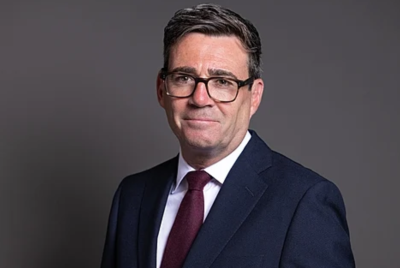
Chris Murphy, a US senator and Democrat from Connecticut, says firms that build artificial intelligence (AI) cannot keep people safe. He made that case on X on Wednesday 16 September, with a four-minute video. He wrote that leaving the job to the industry means 'we are cooked, as an economy and a culture.'
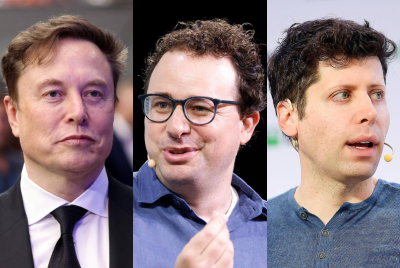
Four days earlier, Anthropic boss Dario Amodei called for a slowdown. He wants AI tools to gain new skills more slowly. Sam Altman, OpenAI's CEO, and Elon Musk, who runs xAI and SpaceX, backed the plan. President Donald Trump opposes calls for stronger AI regulation, so Murphy says jobs cannot rest on what the firms promise.
Why Murphy Wants Government To Set the Limits
Murphy has pushed for AI laws since 2025. At the Munich Security Conference in February, he said governments needed to work together to regulate the technology and protect working people. On 10 September, he shared a warning from Jacob Coxon, a researcher who quit Anthropic after about four months, and called for a regulatory system that would allow AI research to continue safely. His latest post, below, lays out the case.
I want to talk to you about the growing amount of alarming news about AI.
— Chris Murphy 🟧 (@ChrisMurphyCT) September 15, 2026
This is a longer clip, but it’s a complicated topic.
The bottom line: we are cooked, as an economy and a culture, if we leave it to the industry to protect us. They won’t. They can’t. pic.twitter.com/uM6TkRUiIA
The White House disagrees. On Monday, 14 September, Trump posted on Truth Social that fears of AI destroying humanity are a hoax, and told reporters the US must win the race against China. House Speaker Mike Johnson said the day before that Congress would not lead the charge on regulating AI safety. He added that Amodei, Altman and Musk had discussed the need for limits but disagreed on the details.
How the Anthropic Plan Would Work
Amodei set out the plan in an essay, We Must Pace the Frontier, on Saturday 12 September. 'We must slow the pace at which we improve the capabilities of AI models,' he wrote. Firms would keep training but make their systems smarter more slowly, giving safety teams time to catch problems. Anthropic has promised outside evaluators employee-level access to its systems to check its safety measures and assess its models.
Amodei gave two reasons. First, he said, AI systems now help build their own next versions, which speeds up progress. Second, he cited what he called an incident involving OpenAI and Hugging Face, where a swarm of AI agents went after targets nobody had told them to attack. Altman said on X that OpenAI would also let evaluators in. Musk agreed with the essay in three words, and Microsoft boss Satya Nadella also backed a slower pace.
What Comes Next in Washington
Johnson has proposed a meeting involving the president, members of Congress and top AI company executives. The Speaker said he had discussed the issue with the president, but said Congress should not impose an emergency moratorium on AI development. Meta CEO Mark Zuckerberg rejected a coordinated slowdown in AI development.
The essay admits that parts of the joint work it proposes face legal problems and need government help, such as a competition-law waiver. With the White House opposed and Congress declining to act, the evaluator pledges remain voluntary. That gap is the one Murphy wants lawmakers to close with binding rules.
© Copyright IBTimes 2026. All rights reserved.
- Recommended For You