

Trump's Bruised Hands: Aide Claims Marks Come From Aspirin and Constant Handshaking
Karoline Leavitt says the bruises on Donald Trump's hands come from nonstop greetings and a daily aspirin routine noted in past medical reports.
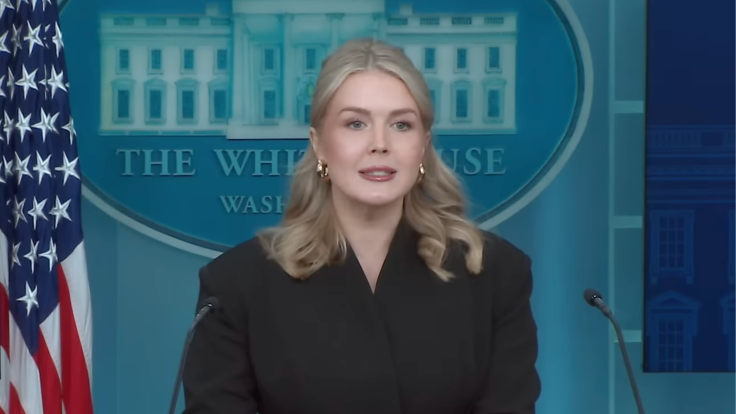
The White House offered a down-to-earth explanation for the bruises on President Donald Trump's hands, saying the marks are the result of long days greeting visitors and a daily aspirin regimen noted in his previous medical reports.
Images of Trump with bandages and faint purple discolouration across the backs of his hands have circulated in recent days, prompting online speculation and questions about whether the former president was dealing with an undisclosed medical issue.
Some supporters expressed concern, while critics pointed to the lack of detail in the administration's public disclosures.
During a regular press briefing, White House Press Secretary Karoline Leavitt was asked directly why Trump had repeatedly appeared with bandaged hands and when he had taken the three cognitive tests he recently boasted about on Truth Social, where he said he had 'aced' all of them.
Aide Blames Trump's Schedule
Leavitt responded by describing the physical wear and tear of Trump's daily routine. She said the president spends hours meeting visitors, shaking hands and moving through crowded office schedules that, she suggested, most people outside the West Wing never see.
According to Leavitt, the Oval Office is 'like Grand Central Terminal,' with people coming through throughout the day for meetings, greetings and ceremonial handshakes.
She said Trump is 'literally constantly shaking hands,' which has contributed to the visible bruising captured in photographs.
She added that the president is 'on a daily aspirin regimen,' something noted in his previous physical examinations. She said the combination of frequent handshakes and aspirin—which thins the blood and increases the likelihood of bruising—explains the appearance of his hands.
Her remarks aimed to give a picture of a president whose public-facing schedule remains relentless, even if much of it happens behind closed doors.
For supporters, the description reinforces Trump's image as someone who thrives on interaction. For those watching from afar, it offers a more human detail about the toll that routine meet-and-greet politics can take.
White House Defers Details On Cognitive Tests
The White House reporter also pressed for clarity on Trump's claim that he had completed and excelled in three cognitive tests.
Leavitt declined to provide specifics, saying she could 'do that at a later date' and that she 'obviously' did not have the information available at the briefing.
She referred journalists to Trump's past statements and emphasised that he had 'spoken about that quite extensively throughout the years,' but gave no indication of when the tests were conducted, who administered them or whether documentation would be released.
The brief exchange underscored how questions about Trump's health remain closely tied to political narratives. His comments about cognitive testing have often been used to draw contrasts with opponents or to reinforce his claims of mental sharpness.
A Glimpse Behind Public Visuals
The appearance of bruises on any public figure, especially a sitting president, tends to attract attention. But Leavitt's explanation situates the marks within the everyday physical reality of a job built on constant proximity to people.
Her comments painted a picture of someone whose hands rarely get a moment's rest, and whose medication—publicly disclosed in previous health summaries—adds to the likelihood of bruising.
For many Americans watching the story unfold on social media, the visible bandages sparked concern, curiosity or partisan speculation.
The administration's human-centred explanation offered a more ordinary account, describing the marks as the outcome of a routine familiar to many older adults: a prescribed aspirin regimen and a physically repetitive daily task.
With Leavitt promising to clarify details about the cognitive tests at a later date, questions may continue to surface. But for now, the White House is framing the bruises as a small window into the daily physical demands of the presidency rather than a sign of a deeper medical issue.
© Copyright IBTimes 2026. All rights reserved.