

Brigitte Macron Sparks Outrage For Allegedly Calling Feminist Protesters 'Dirty B*tches'
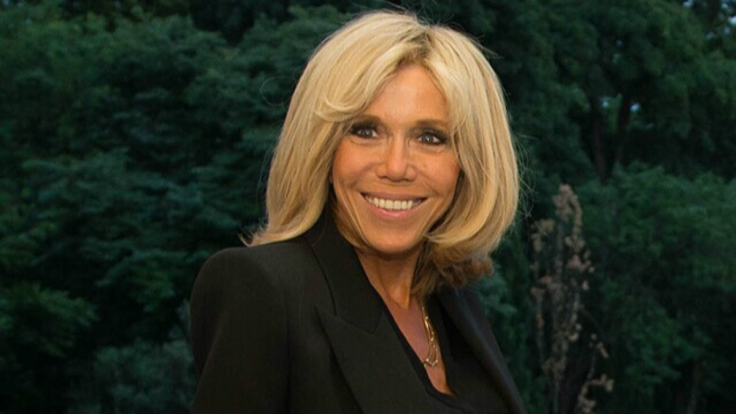
Brigitte Macron, France's First Lady, has ignited a storm of criticism after a video emerged showing her allegedly calling feminist protesters 'dirty b*tches'.
The footage, taken backstage at a Paris theatre on Sunday, shows Ms Macron in conversation with French comedian Ary Abittan.
The clip has shocked the public, particularly because her husband, President Emmanuel Macron, has repeatedly highlighted women's equality as a top priority. In the video, she appears to use the slur while jokingly vowing to protect Mr Abittan if the activists returned.
Abittan's Controversial Past And The Protest
Abittan has faced accusations from women's rights groups since a 2021 rape claim, which an appeals court dismissed in January.
On Saturday, four activists from the feminist collective #NousToutes disrupted his performance, a member of the group said. Footage from the protest showed demonstrators wearing masks with Mr Abittan's face and the word 'violeur', meaning 'rapist'.
The following day, Ms Macron met Mr Abittan backstage ahead of another show, according to the French presidency.
A major scandal has erupted in France: the president’s wife allegedly called feminists “dirty b*tches”
— NEXTA (@nexta_tv) December 10, 2025
The remark from Brigitte Macron was caught backstage at a show by comedian Ary Abittan, who had previously been accused of rape. The video was published by the tabloid Public.… pic.twitter.com/Wc5ryPxQm9
In the video, Mr Abittan can be heard saying, 'I'm scared,' in a joking tone. Ms Macron replies with the alleged slur and adds, 'we'll kick them out' if the protesters return.
Once shared online, the video sparked immediate backlash, and #NousToutes quickly turned the insult into a viral hashtag. Activists and artists across France amplified it in response.
Macron Only Wanted To Reassure Abittan
A spokesperson for the French presidency defended the First Lady, stating her 'sole intention was to reassure an artist' and insisting that she was not attacking a cause. The statement added that Ms Macron 'condemns the radical methods used to prevent an artist from performing onstage'.
The reactions in politics have been mixed. Marine Tondelier, leader of the Green Party, told television viewers on Monday, 'A first lady shouldn't say that.' Meanwhile, Amélie de Montchalin, minister for public accounts, offered a different perspective on Tuesday.
She said, 'I think we all use words that are part of everyday language, and we understand how, for an artist, being prevented from doing their job for reasons that have nothing to do with performing can lead to frustration and therefore, to comments.' She added, 'She didn't hold a press conference to say that; those were comments taken from a private space.'
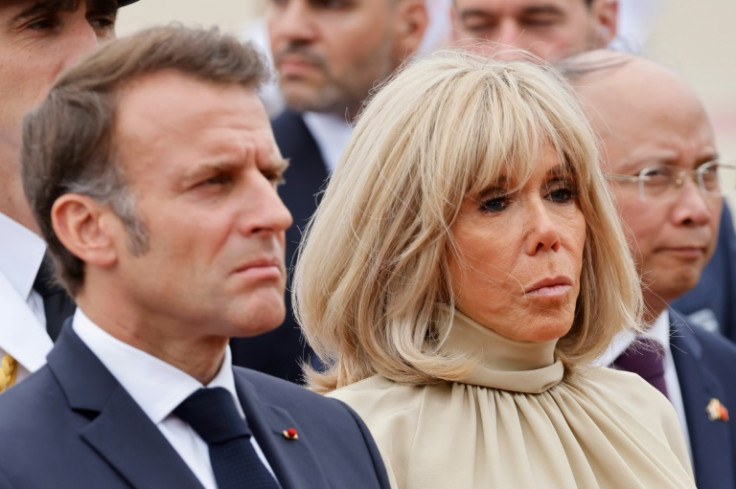
Macron Family Legal Battles and Past Controversies
This controversy comes less than two months after ten people went on trial for allegedly cyberbullying Ms Macron by spreading false claims about her gender and marriage.
In July, she and President Macron filed a defamation suit against Candace Owens, an American podcaster who repeated the claims. The case has not yet reached court.
In October, Ms Owens filed a motion to dismiss, which the Macrons opposed last week.
President Macron has also long claimed to be an advocate for women's rights. In 2017, he spoke of 'the fight for the complete elimination of violence against women'. However, critics argue that France still struggles with the legacy of the #MeToo movement.
He faced criticism for publicly supporting actor Gérard Depardieu, who has been accused of sexual harassment and assault.
In 2023, the President called Depardieu an 'admirer' who 'makes France proud'. Depardieu was later found guilty in May of sexually assaulting two women on a film set in 2021.
The latest backlash against Brigitte Macron has reignited debates about accountability, language, and the public role of France's elite.
As the hashtag continues to spread online, many are questioning how the First Lady will respond to a controversy that has captured national attention.
© Copyright IBTimes 2026. All rights reserved.
- MOST POPULAR IN Politics


